
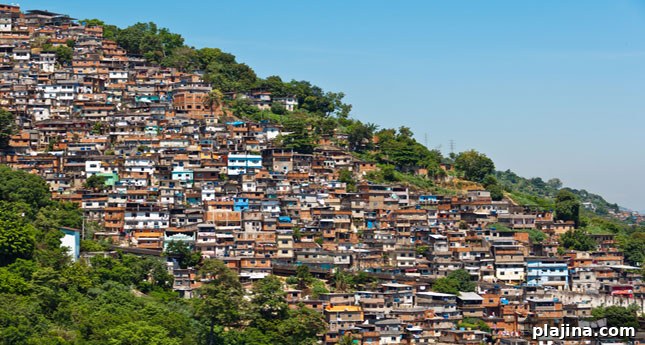
Rio’s favelas are visible parts of the city, not hidden away. These informal hillside neighborhoods sit alongside wealthier districts and form an integral, sometimes starkly contrasting, part of Rio de Janeiro’s urban landscape. While many locals and visitors automatically associate favelas with crime and danger, approaching them with respect and preparation reveals a different side: resilient communities, lively street life, and rich local culture.
Visiting a favela can be a meaningful experience for both travelers and residents when done responsibly. Independent exploration is not advised due to complex safety, social and logistical issues. Instead, choose a guided tour led by a knowledgeable local. Licensed guides and community-based tour operators provide context, ensure respectful conduct, and help visitors navigate the narrow, maze-like alleys that characterize many favelas.
Guided visits also bring direct benefits to the community. Tour fees often support local businesses, cultural projects, and social initiatives, so your participation can contribute to sustainable income for residents. On a guided walk you’ll discover everyday life—street vendors, community centers, vibrant murals, and viewpoints with striking city vistas—elements that are easily missed from the outside.
If you’re looking for well-run, community-rooted experiences, consider operators founded or staffed by favela residents. These companies combine local knowledge with an insider’s perspective, offering insights into architecture, history, and daily life that outside operators cannot provide. By booking with a locally based organization, you help circulate tourism revenue within the neighborhood and promote responsible, nuanced storytelling about life in the favelas.
Before you go, prepare respectfully: dress modestly and comfortably, carry only what you need, and ask your guide about any photography restrictions. Listen to local guidance about where to walk and what to avoid, and be open to learning. A thoughtful visit can challenge stereotypes, deepen your understanding of Rio’s complexities, and create positive interactions between visitors and residents.