
For many business and leisure visitors to Tokyo, squeezing in a few hours of shopping during the city’s wet and humid early summer months can be unpleasant.
© Courtesy of Tokyo Convention & Visitors Bureau
Luckily, Tokyo is home to dozens of extensive underground shopping districts that let locals and visitors explore a vast array of shops, cafés and restaurants without worrying about rain or humidity. These subterranean networks, known as chikagai, often spread beneath major rail hubs such as Tokyo Station, Ikebukuro and Shinjuku, creating comfortable, weather-proof shopping corridors.
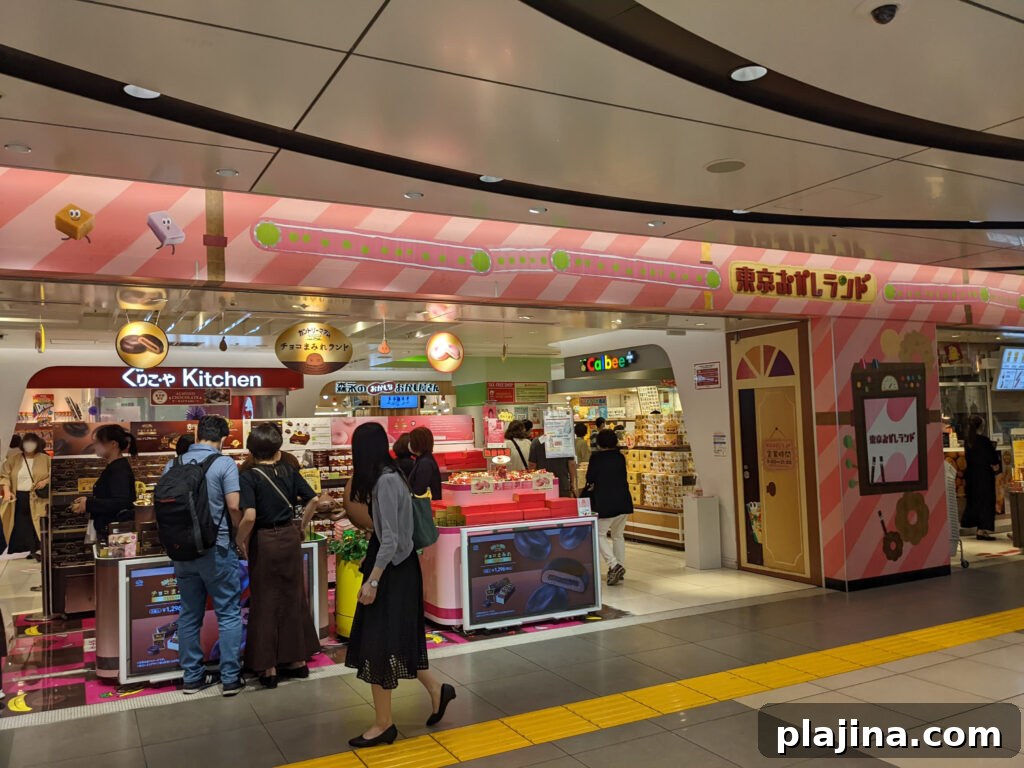
Around Tokyo Station alone, Yaesu Shopping Mall, First Avenue Tokyo Station and Gransta connect to form a near-continuous shopping zone. Visitors can walk from store to store for hours without needing an umbrella, discovering a range of products from trendy Japanese goods to practical travel essentials.
© Courtesy of Tokyo Convention & Visitors Bureau
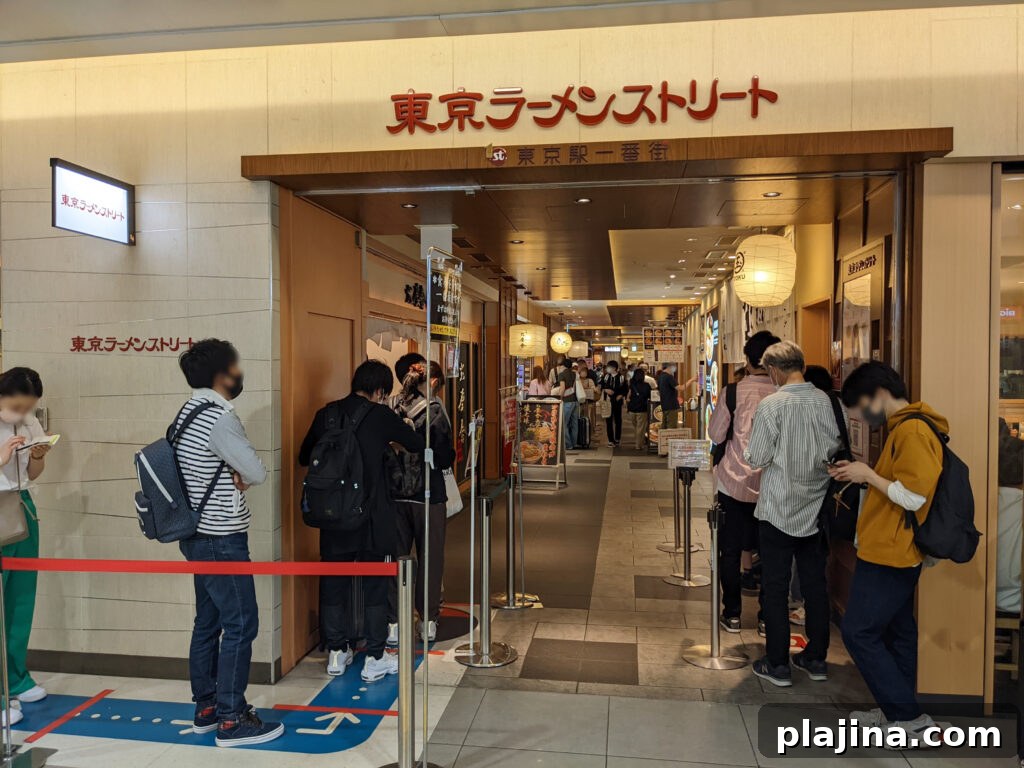
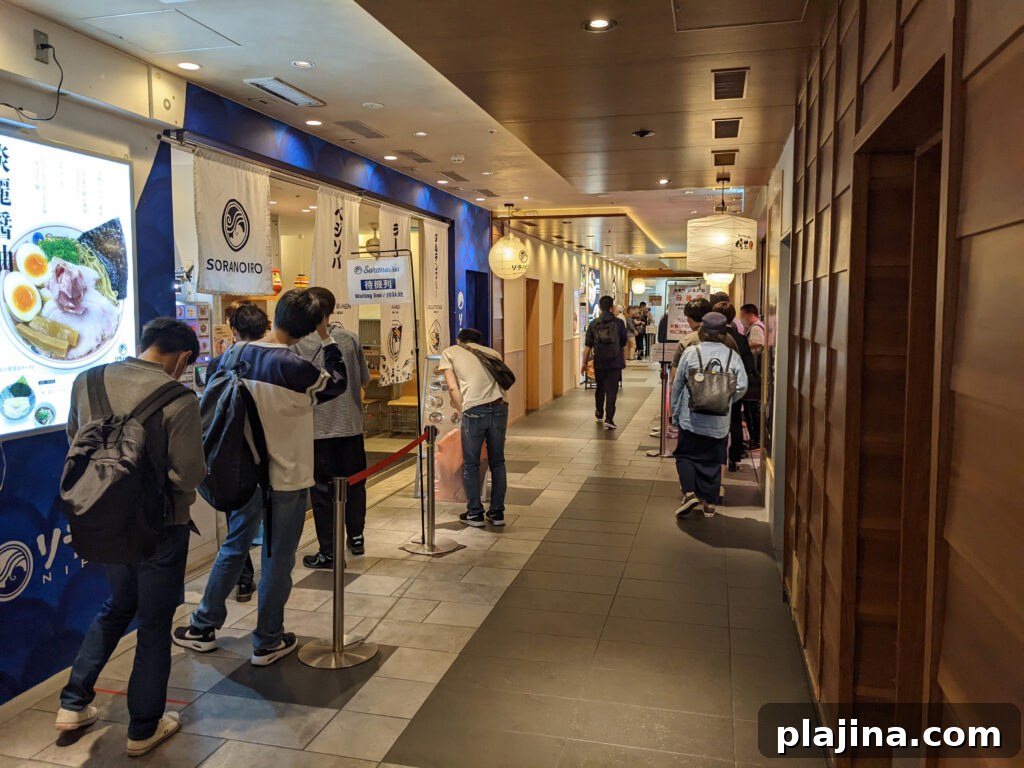
Yaesu Shopping Mall, often called Yaechika, is one of Japan’s largest underground malls. Opened in 1965, it houses roughly 180 shops and is popular with nearby office workers and business travelers. First Avenue Tokyo Station highlights character-themed stores in its Tokyo Character Street and offers a dedicated Tokyo Ramen Street—eight ramen shops serving a mixture of classic and specialty bowls that stay busy throughout the day.
Gransta, spread across the first and B1 floors of Tokyo Station, is a major in-station shopping and dining complex. With outlets located both inside and outside the ticket gates, Gransta features a wide selection of gifts and souvenirs, cosmetics, clothing, footwear, hair salons and long-established eateries—making it convenient for travelers arriving or departing by train.
© Courtesy of Tokyo Convention & Visitors Bureau
Beyond Tokyo Station, several other underground shopping complexes and covered malls provide comfortable places to shop and dine. Notable examples include the expansive Odakyu Shinjuku area, parts of Roppongi Hills with covered walkways, the shopping zones at Narita’s Aeon Mall, DiverCity Tokyo Plaza, the shopping streets around Asakusa station, and the retail spaces connected to JP Tower. Each offers its own mix of chain stores, independent boutiques and food options, making Tokyo’s chikagai a practical and enjoyable alternative to open-air shopping on rainy days.