
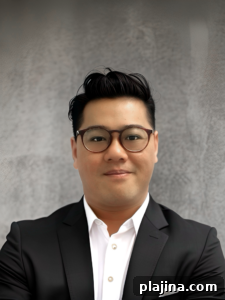
Justin Chong is the culinary design manager at Cathay Pacific. A chef who transitioned into culinary design, Chong combines creative flair with practical operations expertise to shape inflight dining experiences that leave a lasting impression on travelers.
He trained in Michelin-starred kitchens across France, Australia and Japan before stepping away from daily operations to teach at a respected culinary academy. He later returned to hospitality to manage premium airline lounge kitchens. That journey gave him a rare blend of high-level technique, instructional clarity and operational understanding.
Today Chong applies his global experience to design immersive dining concepts that emphasize storytelling, sustainability and sensory impact.
© Cathay Pacific
Which food is your guilty pleasure? And on the opposite end of the spectrum, what is one ingredient or food you hate to use?
Instant noodles are my guilty pleasure. They’re quick, comforting and endlessly adaptable — every country adds its own twist, from fiery Korean broths to rich Southeast Asian coconut bases. I love exploring those regional flavor profiles. At the opposite end, I avoid artificial truffle oil or similar flavorings. It’s often used as a shortcut to signal luxury, but it tends to overpower and mask the natural qualities of ingredients rather than complement them.
What dishes would you serve at a private dinner party?
I would design a menu that reflects the influences that have shaped my cooking: France, Japan, Southeast Asia, Hong Kong, Singapore and Australia. Each course would be grounded in classical technique and highlighted by a singular cultural accent to encourage conversation and connection.
One example menu might include:
– Starter: A Japanese-rooted lobster tartare with yuzu gelée, Thai basil oil and crispy shallots, nodding to Singaporean flavors.
– Soup: Roasted cauliflower velouté with native Australian lemon myrtle and brown butter croutons, blending French technique with Australian produce.
– Main: Sous-vide duck breast with tamarind jus, pickled daikon and fermented garlic purée, marrying French cooking methods with Southeast Asian ingredients.
– Dessert: Black sesame panna cotta with milk tea caramel and an almond tuile, bringing Japanese and Hong Kong influences together.
What was the first meal you ever prepared on your own?
My first solo meal was a two-course dinner I made for my parents after my first practical class at culinary school. I was eager and ambitious but inexperienced. The starter was a ginger carrot soup that I burned, and the main was an overcooked steak with lumpy mashed potatoes and undercooked broccoli smothered in garlic butter. It was a disaster — memorable and humbling. My parents kindly called it satisfying, but we all knew otherwise.
That early mistake didn’t discourage me. Instead, it pushed me toward greater precision and care in the kitchen and marked the start of my dedication to technique and purpose.
If you could describe your personal style in one dish, which would it be and why?
Singapore prawn noodles. It’s humble hawker fare that appears simple but is built on layers of complexity. The broth requires patience and exacting technique, and each component must be in balance. That mirrors my approach to food and design: rooted in tradition, elevated by craft, and always intentional. I aim to create experiences that feel familiar yet refined, where every element serves a purpose.
What culinary trend would you like to see disappear?
I’d like to see overly stylized plating that favors visual impact over flavor fade away. Food should create an emotional connection and be memorable for taste and experience, not just for how it photographs. If a dish is only remembered for its appearance and not its flavor, the point is lost.