
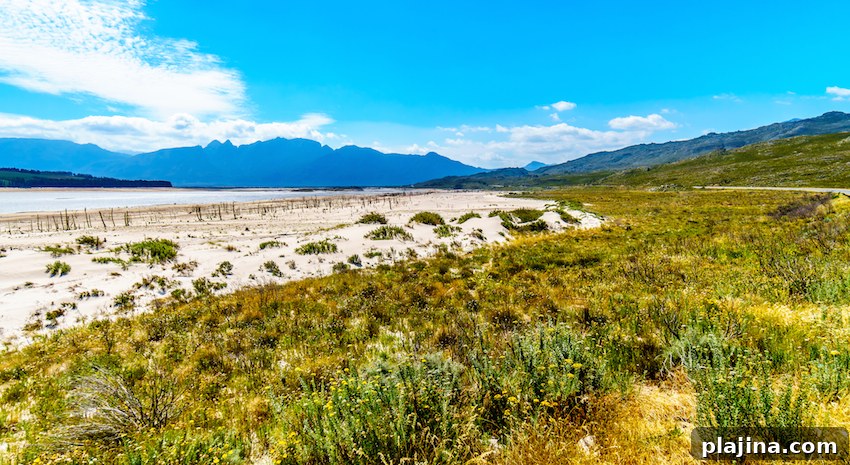
In just a few months, the South African city of Cape Town could face a severe water shortage. The current drought, described as the worst in a century, has left dams critically low after months of below-average rainfall. Despite strict conservation measures, reservoir levels have not recovered, and authorities are preparing for the possibility that water supplies may be exhausted.
The projected date when municipal taps could effectively run dry has been labeled “Day Zero.” The prospect of reaching Day Zero carries grave consequences for the city’s economy, especially its vital tourism sector. Tourism is a cornerstone of Cape Town’s economic health: the city attracts more than three million visitors annually, supports hundreds of thousands of jobs, and generates billions in revenue. The loss of readily available water would disrupt hotels, restaurants, attractions, and the many businesses that depend on tourist spending.
In response, tourism operators have introduced a range of water-saving measures to reduce guests’ consumption without undermining the visitor experience. Hotels and guesthouses have removed bath plugs, installed timers on showers, and fitted low-flow showerheads. Many properties have closed swimming pools and steam rooms, and some venues offer incentives to guests who decline single-use glasses or ice with their drinks. These practical steps aim to lower usage at the point of consumption while signaling the urgency of the situation to visitors.
One of the most important challenges is clear communication: ensuring that both local residents and visitors understand the seriousness of the crisis and cooperate with conservation efforts. Tourism businesses are balancing the need to maintain comfort and service standards with the responsibility to minimize water use, educating guests about why their cooperation matters and how small changes in behavior can add up to significant savings.
Beyond individual businesses, city-wide planning and emergency measures are being discussed to manage distribution and prioritize essential services in the event supplies dwindle. Contingency plans typically focus on allocating water to hospitals, sanitation, firefighting, and other critical needs while limiting nonessential usage. Even with such plans, the economic and social impacts of prolonged shortages would be wide-ranging, affecting employment, public health, and the overall quality of life.
For Cape Town’s tourism industry, the stakes are particularly high. The sector’s workers, from hotel staff to tour guides and restaurant employees, rely on steady tourist numbers. Prolonged water restrictions or a sudden shift in traveler perception could reduce visitor arrivals and force businesses to cut back or close. Many tourism operators are attempting to mitigate this risk through visible conservation actions and by informing guests about what to expect, demonstrating that responsible tourism is still possible even under strain.
Efforts to conserve water have also spurred innovation and long-term changes. Some properties are investing in rainwater harvesting, greywater recycling, and more efficient landscaping that requires less irrigation. These investments reduce immediate demand and help build resilience against future droughts, while also appealing to eco-conscious travelers who prefer destinations that prioritize sustainability.
Cape Town’s dilemma underscores the broader vulnerability of cities dependent on finite water resources and the importance of integrated planning, conservation, and public cooperation. While the city prepares for the worst-case scenarios, many residents and businesses continue to adapt, seeking ways to preserve both their livelihoods and the natural assets that attract visitors from around the world.
Without water, Cape Town faces serious challenges, but coordinated conservation efforts, clear communication, and infrastructure improvements offer paths to mitigate the impact and build greater resilience for the future.