
BEIJING
China’s political and cultural capital, Beijing is a dynamic metropolis teeming with history and contemporary energy. Home to more than 20 million residents and visited by millions of travelers each year, the city offers an extraordinary cultural tapestry: six UNESCO World Heritage sites, more than 100 museums, historic neighborhoods and modern shopping centers. Walk or cycle sections of the Great Wall, explore the hutongs on a rickshaw, sample tea in a traditional teahouse, and shop at Joy City, a multi-level mall known for its extensive retail offerings and long escalators.
GETTING THERE
Beijing Capital International Airport (PEK) lies about 16 miles northeast of the city center. Metered taxis start around $2 for the first two miles and about $0.50 for each additional mile; a trip downtown typically costs between $13 and $21. Airport shuttle buses serve several major destinations in the city for roughly $3. The Airport Express Line of the metro connects terminals 2 and 3 with Dongzhimen Station, reaching the city center in under 20 minutes for approximately $4.
GETTING AROUND
Taxis are widely available, though traffic congestion can slow journeys during peak hours. The Beijing Subway is an efficient alternative, featuring numerous lines plus the Airport Express. Announcements are provided in both Chinese and English, and fares are very affordable; single-journey tickets with transfers typically cost less than one dollar.
TOP ATTRACTIONS
The Great Wall of China
A UNESCO World Heritage site, the Great Wall represents over two millennia of history and stretches thousands of miles across northern China. The well-preserved Badaling section, about 43 miles north of Beijing, is popular with visitors and offers accessible walking routes. For a different perspective, scenic helicopter tours are available to view the Wall from above.
The Summer Palace
The Summer Palace, once an imperial retreat, is China’s largest imperial garden, covering expansive grounds that include classical pavilions, temples, and a large lake. Its landscaped setting provides a peaceful escape from the city and the nearby Forbidden City, making it ideal for leisurely walks, boating and photography.
The Temple of Heaven
Built in the 15th century and used by Ming and Qing emperors for annual rituals, the Temple of Heaven is set within a vast park and is famous for its circular, blue-tiled roofs and exquisitely painted timberwork. The temple complex is open daily; visitors can enjoy the architecture and the surrounding park, where locals practice tai chi and social activities take place from early morning through evening.
EVENTS AND FESTIVALS
Beijing International Music Festival
Held each October, the Beijing International Music Festival is one of China’s premier classical music events. It attracts international soloists, ensembles and orchestras for concerts, recitals and masterclasses, offering a rich program for classical music lovers.
Lantern Festival
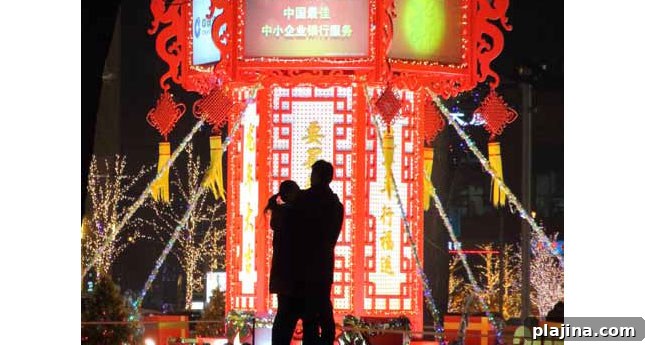
Celebrated in March at the end of the Chinese New Year period, the Lantern Festival is marked by colorful lantern displays, traditional riddles, and festive foods such as yuanxiao—sweet rice dumplings symbolizing reunion. Streets and parks glow with lanterns under the full moon, creating a lively and picturesque atmosphere.
Yuyuantan Park Ice and Snow Festival
From mid-December through mid-February, Yuyuantan Park hosts an Ice and Snow Festival featuring winter activities such as sledding, snow tubing and horse-drawn carriage rides. The festival is a seasonal highlight in one of Beijing’s largest parks and offers family-friendly outdoor recreation.
RESOURCES
For official visitor information, see the Beijing tourism website.