
These days, “after 5” in Ankara often means “5 to 10.” A recent law enacted by Turkey’s religious-led government — one of the measures that helped spark protests in June — bans alcohol sales after 10 p.m. and forbids opening new bars within 100 meters of a mosque, a restriction that affects many parts of the city.
If colleagues invite you out for a drink or a meal with raki, the anise-flavored national spirit usually mixed with ice water, be punctual and savor the moment. Nightlife around Kizilay has changed and may never be quite the same.
Don’t expect prominent, openly advertised LGBT venues in Ankara; guides typically point visitors to Istanbul or Bodrum for more visible scenes. While an underground community exists, it is unlikely to appear on tourist brochures or in public listings.
How you socialize after work matters. Turks generally prefer to build genuine personal relationships before launching into business negotiations, and for public tenders the local agent can be decisive.
As Turkey’s second-largest city, Ankara transformed from a modest town into a modern capital when Mustafa Kemal Atatürk moved the republic’s seat here in the 1920s. That modern identity sits atop deep history: Hittites inhabited the area in the Bronze Age around 2000 B.C., and in 300 B.C. the Galatians made Ancyra their capital. Plan daylight hours—up to about 7 p.m.—to visit the Museum of Anatolian Civilizations, which offers a thorough introduction to the region’s ancient past.
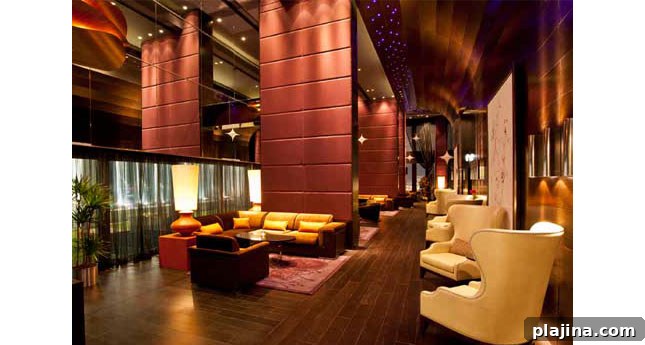
International business hotels are popular meeting places for breakfasts and evening drinks. The 22nd-floor lounge with panoramic views at the JW Marriott is a good choice, although it stands in a newer district somewhat removed from the city center. The Swissôtel, located near the presidential residence, features a well-regarded restaurant and an entertaining lounge; many locals consider it the city’s top hotel, so booking there carries prestige.
Closer to central Ankara, the long-established Ankara HiltonSA offers an excellent restaurant and the Lotus Bar, a convenient option for late meetings. Coffee shops have proliferated across the city, expanding the beverage scene beyond traditional tulip-shaped glasses of strong tea and thick Turkish coffee.
Although many of Ankara’s main attractions operate mainly during daytime hours, the Ankara Citadel is accessible at night and provides striking views from its hilltop perch. The road up to the gate is lined with interesting shops, and quirky venues like the Gramofon Café—decorated with gramophones, vintage radios and music memorabilia—add character to the area.
CerModern, a museum and cultural complex built on the site of a former train parts factory, has become a popular meeting place for Ankara’s creative community. The city supports a lively arts scene, with a resident Presidential Symphony Orchestra, ballet and opera companies, and a steady calendar of festivals and cultural events.
Dining in Ankara ranges from international options to memorable traditional meals. I enjoyed restaurants such as Mezzaluna for Italian and Kitchenette for international cuisine, but the most memorable meals were classic Turkish. Fish restaurants draw diners with daily deliveries from two seas; at Rasgele we selected our fish from a large iced display and enjoyed a wonderful feast. The well-known Yosun Evi was in the process of moving during my visit.
At Adana Sofrasi, a kebab house near the Swissôtel, I found myself the only foreigner in a crowded room savoring grilled meats accompanied by measured amounts of raki. The atmosphere was exuberant and convivial—very much like the Turkish people themselves. Good food, lively company and an unhurried pace: that is the essence of evenings in Ankara.