
Aurora Expeditions has announced a shift from conventional carbon offsetting to a circular impact model that emphasizes decarbonization and regeneration. Rather than relying primarily on compensating emissions after they occur, this strategy focuses on cutting emissions at their source through smarter operations, cleaner technologies and responsible decision-making. It also prioritizes regenerating the environments and communities the company visits by investing in conservation, restoration, scientific research and circular practices that aim to give back more than they take.
© Aurora Expeditions
“This new model moves beyond neutralizing harm and centers on actively creating positive environmental and social outcomes,” said Sasha Buch, sustainability manager at Aurora Expeditions. “We selected partners who work directly with local communities because their knowledge is essential and because we want to ensure economic benefits for those communities alongside long-term environmental protection. The sites chosen for these initiatives complement our existing polar sustainability partnerships as Aurora expands its expedition footprint from polar regions to destinations around the globe.”
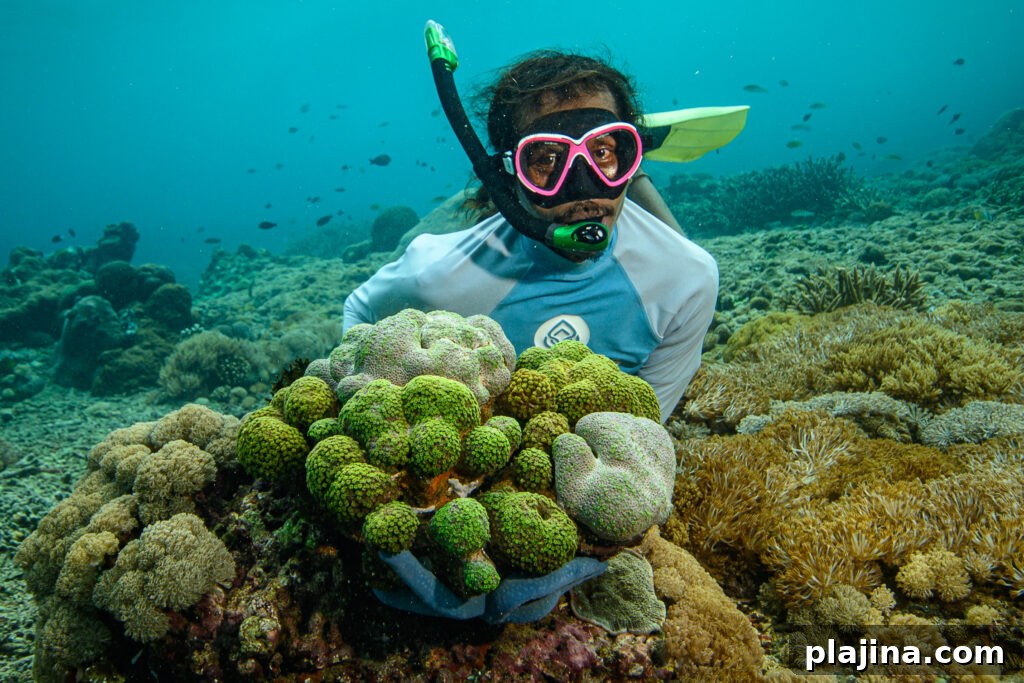
Called the Ocean Regeneration initiative, the program aims to restore marine ecosystems while removing harmful waste. Under the initiative, Aurora funds the planting of one unit of marine life and the removal of one kilogram of ocean-bound waste for every person on each expedition, including passengers, crew and special guests. Projections for 2026 indicate Aurora will support the planting of more than 7,000 units of kelp, seagrass and coral and prevent more than 7,000 kilograms of waste from entering the ocean.
These activities will be carried out in collaboration with organizations such as Seatrees, Veritree and Cleanhub, and will target regions visited by Aurora Expeditions. Planned restoration and recovery work includes kelp forest restoration in Canada and Portugal, seagrass meadow projects in Spain, coral restoration in Indonesia and Costa Rica, and plastic waste recovery efforts in Indonesia’s Coral Triangle and other coastal communities. By aligning restoration and waste-prevention work with the destinations on its itineraries, Aurora aims to deliver measurable ecological benefits where its ships operate.
The overall approach reflects a broader move in the travel industry toward more accountable and verifiable sustainability measures: prioritize reducing operational emissions, deploy cleaner technology and best practices on board and onshore, and invest directly in nature-based and community-led regeneration projects. This model seeks to create lasting social and environmental value rather than simply balancing emissions through offsets, and it emphasizes transparency, measurable outcomes and partnerships that bring local expertise into project design and implementation.
By committing to tangible restoration targets and waste-removal metrics tied to actual expedition activity, Aurora aims to make its sustainability efforts more traceable and impactful. The company’s model stresses prevention and regeneration alongside improved operations, reinforcing a long-term vision in which responsible travel supports healthy ecosystems and resilient coastal communities.