
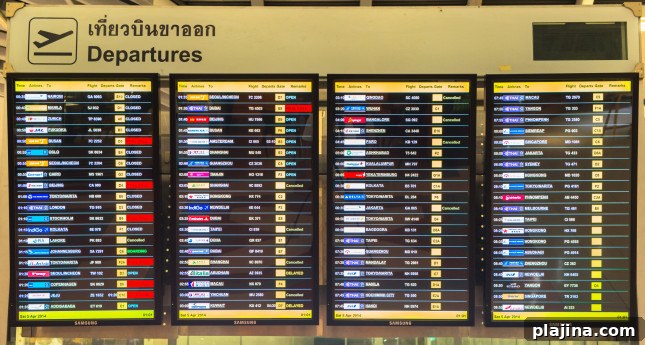
If your flight is delayed, canceled, or you are denied boarding, you may be entitled to compensation — but this depends on where the flight takes place and the regulations that apply. Within the European Union, passengers enjoy strong protection under EU law (Regulation (EC) No 261/2004), which sets out specific rights and financial compensation in many cases. Outside the EU, rules vary widely by country and airline, so compensation is not guaranteed and often depends on local laws, ticket conditions, or voluntary airline policies.
Under EU rules, passengers can be eligible for compensation when a carrier is responsible for a cancellation or a long delay, or when boarding is denied due to overbooking. The amount depends on the flight distance and the length of the delay at arrival. Airlines are generally required to provide care — such as meals, refreshments, and accommodation when necessary — in addition to rebooking or refund options.
Eligibility typically requires that the flight departs from an EU airport or arrives at an EU airport on an EU-based carrier. Extraordinary circumstances beyond the airline’s control, such as severe weather or air traffic control strikes, can exempt carriers from paying compensation, though passengers may still receive assistance.
Outside the European Union, passenger rights vary. Some countries and regions have their own compensation frameworks, while in many places passengers must rely on the airline’s contract of carriage or consumer protection laws. In such cases, airlines may offer vouchers or goodwill gestures but are not always legally obliged to pay monetary compensation.
To seek compensation, document everything: keep boarding passes, receipts, and written communication with the airline. File a claim with the airline first, and if it’s rejected, consider escalating to the national enforcement body (in the EU) or a relevant consumer protection agency. In some situations, passengers use alternative dispute resolution services or small claims courts to pursue compensation.
Being informed about your rights before you travel can make a big difference. Know the rules that apply to your route and airline, keep records of delays and communications, and act promptly if you believe you’re entitled to compensation.