
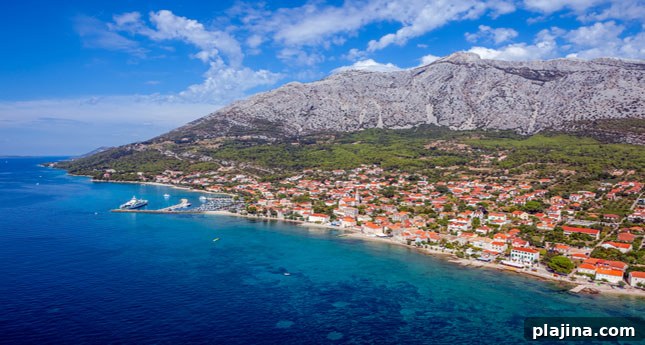
The wines of Croatia’s Dalmatian Coast have returned to international attention since the breakup of Yugoslavia. Small family-owned wineries have driven this revival, while larger producers are beginning to emerge. Dalmatia’s warm, sunny coastline creates ideal conditions for red wine production—known locally as crno vino, or “black wine”—a fitting name for the deep, purple-hued Plavac Mali, the region’s signature grape and a relative of Zinfandel.
Excellent Plavac Mali vines thrive on the porous limestone slopes of the Pelješac Peninsula, which stretches northwest from Dubrovnik toward Korčula. Along this strip of coast, particularly near the village of Potomje, welcoming wineries offer tastings and the opportunity to buy bottles that are often hard to find abroad. Because Dalmatian wines are not widely exported, visiting local producers provides a rare chance to sample some of the region’s best vintages straight from the source.
Cruise lines that stop in the area often include wine-focused shore excursions for passengers. In Dubrovnik, for example, visitors can travel to Čilipi and the nearby village of Komaji to tour a century-old family vineyard with the Crvik family and taste Plavac Mali in traditional cellars. Another popular excursion runs from Kotor and includes a drive to the Plantaze Šipčanik Wine Cellars near Podgorica, Montenegro. Opened in 2007 in a repurposed military complex, Šipčanik’s cellars are carved roughly 100 feet underground, creating stable conditions for aging wine. Guests can tour the subterranean cellars, sample a selection of wines and enjoy a lunch on site.
Šipčanik has grown into one of Europe’s larger producers and is noted for a balanced portfolio that includes whites such as Chardonnay and Krstač, alongside fuller red varieties like Cabernet and Vranac. Whether exploring small family estates on Pelješac or visiting larger cellars like Šipčanik, travelers interested in wine will find Dalmatia offers distinctive flavors rooted in its sun-drenched climate, limestone soils and long winemaking traditions.