
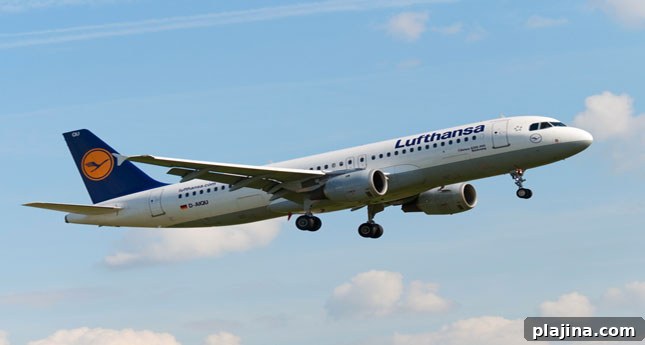
Lufthansa has equipped its newest Airbus A380 with 8-foot sharklets — extended wingtip devices designed to reduce fuel burn by up to 4 percent. Modeled on nature, the sharklet concept takes inspiration from large birds such as cranes and condors that curl their wingtip feathers upward to conserve energy during flight. On the A380, these winglets improve aerodynamic efficiency, help the aircraft climb more quickly and contribute to lower noise emissions during takeoff and climb.
In addition to the A380 upgrade, Lufthansa expects to take delivery of 22 new A320-family aircraft fitted with Airbus’s blended-wingtip technology by early 2015. Fitting this winglet design across the fleet is part of the airline’s broader effort to improve fuel efficiency and reduce environmental impact.
The sharklet and blended-wingtip solutions are relatively simple aerodynamic additions but produce measurable operational benefits: reduced fuel consumption, extended range, and lower emissions. Faster climb rates also help aircraft reach efficient cruise altitude sooner, which can further cut fuel use and reduce noise on the ground.
These wingtip improvements complement other efficiency measures airlines use today, such as optimized flight planning, lighter cabin interiors and more efficient engines. For passengers, the changes are invisible in the cabin but contribute to a greener operation and potential long-term cost savings for the carrier.
You may also like:
GT Tested: Lufthansa Business Class