
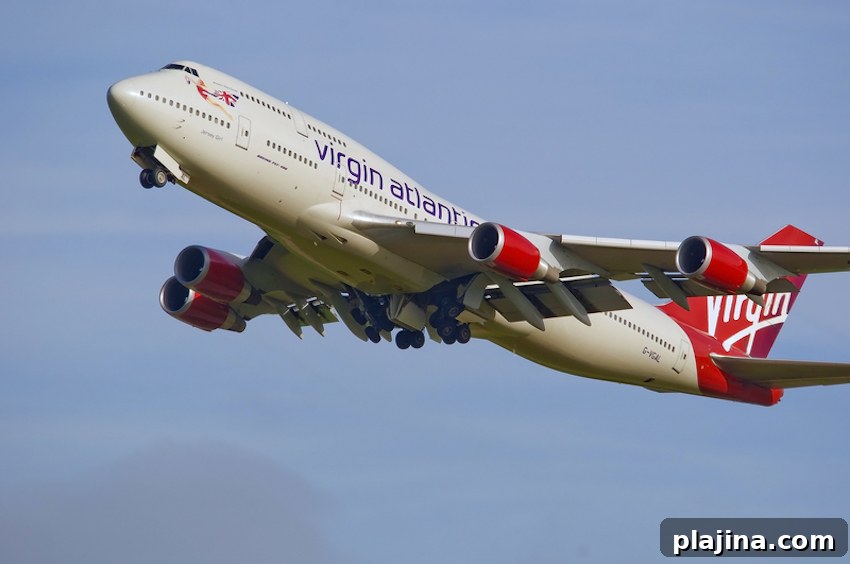
Virgin Atlantic is reported to be in talks to acquire struggling regional carrier Flybe. The possible deal follows Flybe’s recent disclosure that it had engaged with “a number of strategic operators” about a potential sale after a sharp decline in profitability.
Insiders speaking to Sky News indicate that Virgin Atlantic sees strategic value in a takeover, particularly the opportunity to feed short-haul passengers into its long-haul network. Acquiring Flybe would also give Virgin access to domestic take-off and landing slots at London Heathrow that are protected for internal UK services, strengthening connectivity between regional airports and international routes.
The two carriers already collaborate on several routes through codeshare arrangements, so integration could build on existing commercial ties. Industry analysts suggest that, if a purchase goes ahead, the Flybe brand might be phased out and fully incorporated into the Virgin Atlantic identity—much like Alaska Airlines absorbed Virgin America after its 2016 acquisition.
Virgin Atlantic is not the only interested party. Competing bidders, including the Stobart Group, have shown interest in Flybe, which has taken steps to shore up its finances since reports of a potential sale emerged. These efforts appear aimed at improving Flybe’s position and making it a more attractive partner or acquisition target.
Any transaction would carry regulatory and operational considerations, especially given the importance of domestic slots at Heathrow and the need to align schedules, fleet operations and brand strategies. For Virgin Atlantic, a successful takeover could enhance its domestic feed and support growth on long-haul routes by improving passenger transfer flows from regional airports.
For Flybe, a takeover could provide financial stability and access to broader distribution channels and loyalty programs, but it could also mean the end of Flybe as an independent brand. Observers will be watching how negotiations progress, how competing bids develop, and whether regulators impose conditions to protect competition on key domestic and regional routes.