
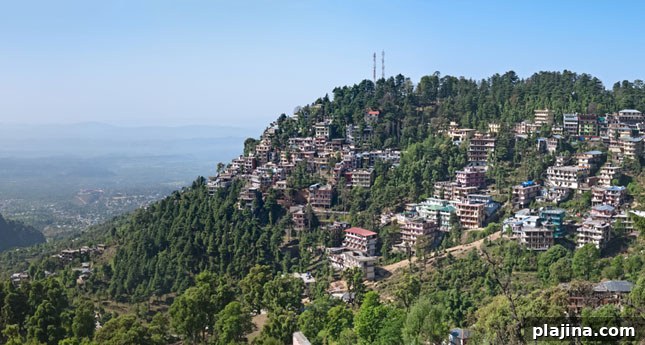
People travel to Dharamsala for many different reasons. The name itself means “spiritual dwelling,” and the town’s appeal blends natural beauty, colonial history and a unique cultural atmosphere. Nestled in the northern Indian state of Himachal Pradesh, Dharamsala was developed during the British colonial period as a cool retreat. The colonials were drawn to its misty climate and built an army garrison, cottages, churches, tea estates and cricket fields that still shape the town’s character.
In 1959 Dharamsala’s profile changed dramatically when His Holiness the 14th Dalai Lama arrived after fleeing the Chinese invasion of Tibet. He established the Tibetan government-in-exile in the hillside suburb of McLeod Ganj, which remains the spiritual and administrative heart of the Tibetan community in exile. Over the decades thousands of Tibetan refugees settled in McLeod Ganj, and the area is often called “Little Lhasa” because of its strong Tibetan cultural presence.
Since the 1960s, McLeod Ganj and the surrounding Dharamsala area have attracted a wide range of visitors: hippies, backpackers, spiritual seekers, and cultural tourists. Many visitors come hoping to glimpse or meet the Dalai Lama, but a quieter, more meaningful way to experience the place is to soak in its atmosphere—walk the narrow lanes, visit monasteries, browse handicraft shops, sample Tibetan cuisine and observe daily rituals and teachings.
McLeod Ganj offers a layered experience. Monasteries and prayer flags punctuate the skyline while bustling markets and cafés hum below. The Tibetan community maintains cultural institutions, schools and bakeries, and the soundscape mixes Tibetan chants with the everyday rhythm of an Indian hill town. Visitors can attend public teachings when available, explore the Tibetan Museum to understand the community’s history, or simply sit in a café and watch local life unfold.
The surrounding landscape is equally compelling. Dharamsala and its higher neighbor, Upper Dharamsala, provide numerous walking trails and viewpoints that reveal pine-clad hills and sweeping valleys. Short treks lead to quiet picnic spots and panoramic overlooks, while longer routes invite more adventurous hikers into the Himalayan foothills. The cool climate makes outdoor exploration pleasant for much of the year.
Responsible travel is important here. The Tibetan exile community and local residents coexist in a delicate cultural ecosystem—respectful behavior helps preserve the area’s authenticity. Photography is welcomed in many places but asking permission before photographing people, especially in religious or private settings, is courteous. Supporting local businesses—Tibetan bakeries, handicraft shops, social enterprises and small restaurants—ensures visitors directly contribute to the community’s wellbeing.
In sum, Dharamsala and McLeod Ganj offer more than a chance to see a famous spiritual leader. The real reward is the atmosphere: a blend of hill-station tranquility, Tibetan culture, colonial heritage and vibrant street life. Travelers who take time to explore respectfully will leave with memories of quiet monasteries, lively markets and the warmth of a community that has rebuilt itself far from home.