
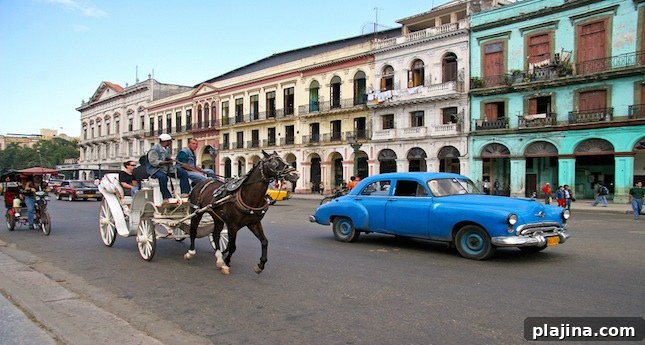
Cuba is preparing for a likely surge of visitors and has begun implementing a comprehensive strategy to expand its accommodation capacity and support sustainable tourism growth.
In its recent National Plan for Economic and Social Development, the government outlined an ambitious target: add 108,000 new hotel rooms across the country by 2030. The plan aims not only to increase room inventory but to ensure that new development complements and revitalizes existing properties rather than rendering them obsolete.
“We cannot make the mistake other countries have made that, with new development, old hotels are cast aside,” said Manuel Marrero, Cuba’s tourism minister, in an interview with the Communist Party daily, Granma. He stressed that tourism generates multiplier effects throughout the economy by creating productive linkages across sectors and that the industry will ultimately be a key engine of national economic growth.
The plan highlights recent progress: since 2011, Cuba has added more than 10,900 new hotel rooms and renovated over 7,000 rooms as visitor numbers have increased. These investments signal a commitment to upgrading infrastructure and improving service capacity to meet rising demand.
“Each hotel inaugurated is another factory that generates within our borders much needed export income for the country,” the report states, emphasizing tourism’s role in earning foreign currency and supporting broader economic objectives.
Addressing Cuba’s current shortfall in hotel capacity, the strategy is framed as a vital corrective measure. With diplomatic shifts and easing travel restrictions in markets like the United States expected to raise visitor flows, planners see an urgent need to expand high-quality accommodations while protecting the value of existing assets.
The National Plan is also explicit about timing and intent: by shaping conditions during the 2016–2020 period, authorities aim to secure better results and lay foundations for sustainable economic and social development. This includes coordinated investment in infrastructure, workforce development, and service standards so that growth in tourism translates into lasting benefits for communities and related industries.
Implementing such a large-scale hotel expansion will require careful planning to balance new construction with renovations, environmental safeguards, and integration with local economies. The plan signals that Cuba intends to pursue both quantity and quality, ensuring that new supply supports higher occupancy, improved visitor experiences, and longer-term economic gains.
In summary, Cuba’s National Plan for Economic and Social Development presents a clear, forward-looking approach to tourism: accelerate hotel capacity expansion, preserve and upgrade existing properties, and leverage tourism as a catalyst for broader economic development. The target of 108,000 additional rooms by 2030 reflects optimism about future demand and a concerted effort to prepare the country’s infrastructure and workforce for a new phase of growth.