
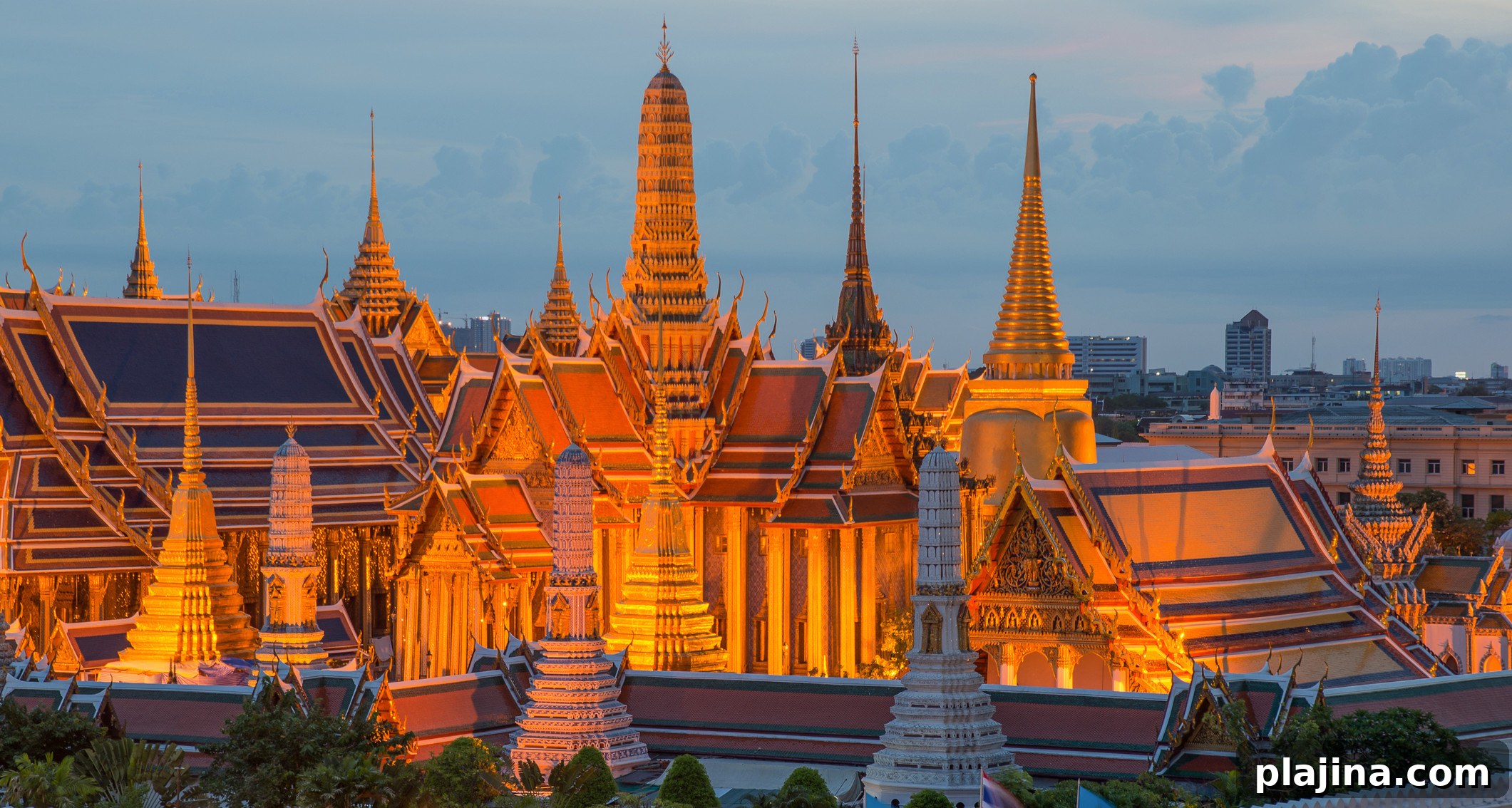
Thailand is home to more than 40,000 wats—Buddhist temples and monasteries—dotting its cities, towns and countryside. While that abundance means there is always a place to visit, some wats stand out for their history, architecture, spiritual significance and sheer beauty. Below is a concise guide to five must-see wats in Thailand that capture the country’s cultural richness and offer unforgettable experiences.
1. Wat Phra Kaew (Temple of the Emerald Buddha), Bangkok
Located within the grounds of the Grand Palace, Wat Phra Kaew is Thailand’s most revered temple. It houses the Emerald Buddha, a small but highly venerated statue carved from a single block of jade. The temple complex features intricate murals, gilded chedis and ornate architecture that reflect the pinnacle of Thai craftsmanship. Visitors should dress respectfully and plan for crowds, especially during peak tourist seasons and national holidays.
2. Wat Pho (Temple of the Reclining Buddha), Bangkok
Wat Pho is famous for its enormous reclining Buddha statue, measuring 46 meters long and covered in gold leaf. The temple is one of Bangkok’s oldest and is considered a center for traditional Thai massage—the original Thai massage school operates on-site. Beyond the reclining Buddha, Wat Pho’s extensive grounds contain numerous stupas, chapels and impressive Buddha images, making it a rewarding stop for both history and wellness enthusiasts.
3. Wat Arun (Temple of Dawn), Bangkok
Sitting on the west bank of the Chao Phraya River, Wat Arun is instantly recognizable by its towering spires (prangs) decorated with colorful porcelain and seashells. The central prang rises dramatically above the river and offers panoramic views of Bangkok from its terraces. Sunset is a particularly magical time to visit, when the temple’s silhouette reflects across the water and photographers can capture stunning light and shadow contrasts.
4. Wat Phra That Doi Suthep, Chiang Mai
Perched high on Doi Suthep mountain overlooking Chiang Mai, this temple is both a religious pilgrimage site and a vantage point for spectacular views of the surrounding valley. Wat Phra That Doi Suthep houses a revered relic of the Buddha and features golden chedis, intricately carved Naga staircases and serene meditation spaces. The climb up the naga-adorned staircase or the short drive and tram ride to the summit are part of the experience.
5. Wat Rong Khun (White Temple), Chiang Rai
Unlike traditional historic temples, Wat Rong Khun is a contemporary work of art created by Thai artist Chalermchai Kositpipat. Known as the White Temple, its all-white façade symbolizes the purity of the Buddha, while mirrored glass mosaics add a shimmering effect. The temple blends traditional Buddhist symbolism with surreal, modern elements, creating an immersive visual narrative. It’s a striking example of modern Thai art and is especially popular with photographers and art lovers.
Tips for Visiting Wats in Thailand
- Dress respectfully: Cover shoulders and knees. Some temples provide wraps or sarongs, but it’s best to bring your own.
- Remove shoes: Shoes must be removed before entering ordination halls and many temple buildings.
- Observe local customs: Speak softly, avoid pointing your feet at Buddha images, and refrain from public displays of affection in sacred areas.
- Timing: Visit early in the morning or late afternoon to avoid the midday heat and the largest crowds.
- Photography: Many temples allow photos but be mindful of signs and restricted areas, especially during ceremonies.
Exploring Thailand’s wats offers insight into the country’s spiritual life, artistic traditions and historical depth. Whether you seek architectural splendor, peaceful meditation, or cultural discovery, these five temples provide exemplary experiences that highlight the variety and vitality of Thai Buddhist heritage.