
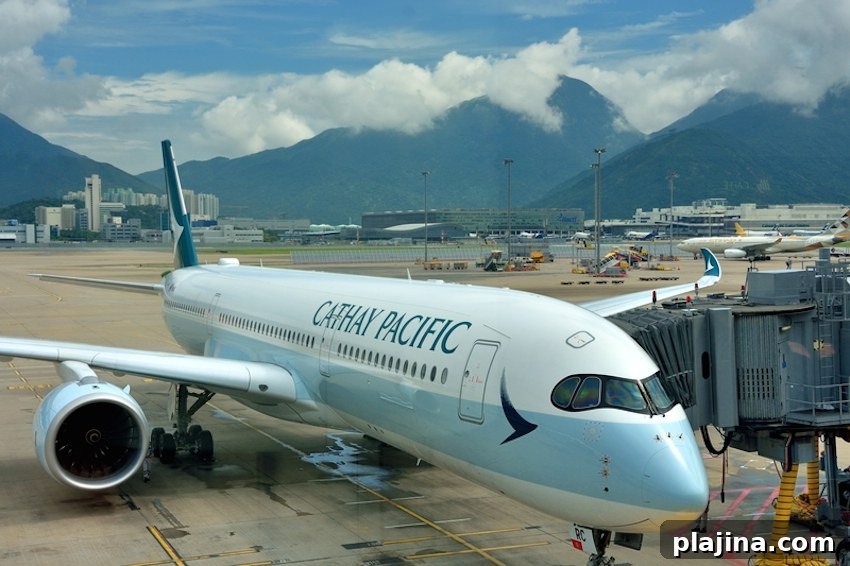
Cathay Pacific has announced a major update to its long-haul business class dining experience, introducing a more flexible, restaurant-style service designed to give passengers greater choice and improved meal timing. The redesigned program revises both the menu offerings and the way meals are presented, aiming for lighter, healthier options and a service flow that adapts to individual preferences and sleep patterns.
Under the new concept, business-class passengers will be able to tailor the number and type of courses they receive. Rather than a fixed multi-course sequence, the airline will serve plated dishes from an à la carte selection. Diners can mix and match up to three appetizer-style starters and choose from as many as six main-course options, or they may opt for a reduced selection such as smaller “supper plates” when they prefer lighter fare. This flexible approach lets travelers build a dining experience that matches their appetite and schedule.
Menu development has focused on lighter, health-conscious dishes that remain satisfying without being overly heavy in flight. While Cathay Pacific has not published a complete sample menu, it has indicated the kinds of items passengers can expect, including options such as roast lamb rack with mint sauce, rice and lobster soup, various noodle preparations, and classic char siu barbecued pork. The emphasis is on quality ingredients and balanced dishes that travel well while providing a restaurant-standard taste onboard.
In addition to the new à la carte service, the airline is replacing its conventional breakfast service with a room service-style offering. Business-class passengers will receive a breakfast card to select either a full plated breakfast or an express option consisting of pastries and coffee. This system allows cabin crew to deliver breakfast closer to landing or at times that better suit individual passengers, enabling more sleep and a more personalized morning routine before arrival.
This revised dining model also benefits operational flow. By using meal cards and a la carte plating, cabin crews can better coordinate service timing with passenger preferences, reduce waste from unwanted courses, and maintain a calmer cabin environment during meal periods. Serving plated dishes on demand rather than pushing a fixed multi-course timetable helps the crew present food when passengers are ready to dine, rather than interrupting rest for a scheduled service.
The rollout will begin on select long-haul routes in July, with Cathay Pacific planning a phased introduction across its network over the following 12 months. Early deployments will allow the airline to refine menu selections and service protocols based on passenger feedback and operational learnings, before the concept is expanded to additional aircraft and routes.
Overall, the new program aims to blend the convenience of in-flight dining with the flexibility and personalization travelers expect from premium ground restaurants. Passengers should see a noticeable shift toward lighter dishes, greater choice, and meal timings that support rest and comfort on long-haul journeys. As the rollout progresses, Cathay Pacific is expected to fine-tune the offerings and provide more detailed menus and service information to travelers booking business class on affected routes.