
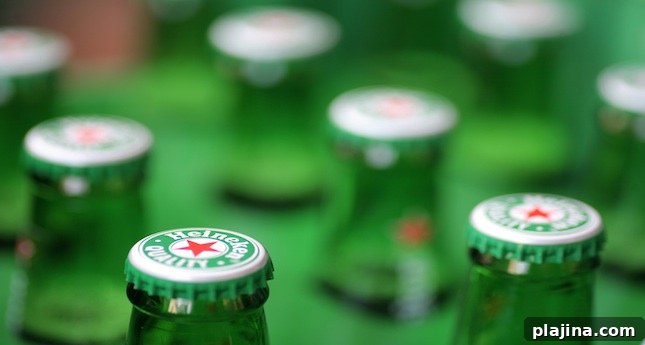
KLM Royal Dutch Airlines plans to introduce draft beer on its flights once it receives approval from civil aviation authorities. The beer served will be Heineken, a long-standing partner of the carrier. Miriam Kartman, vice president of KLM Royal Dutch Airlines, says the airline seeks distinctive Dutch products to differentiate its service, and customers generally prefer draught beer to canned beer.
The initial rollout is intended for KLM flights within Europe after regulatory clearance. Installing taps on aircraft presents unique technical and safety challenges: carbon dioxide cartridges are prohibited on planes, and the lower cabin pressure at altitude causes conventional beer taps to produce excessive foam. KLM and Heineken worked together for several years to create a system that meets safety requirements and functions reliably in flight conditions.
Edwin Griffioen of Heineken explains that a standard tap would foam excessively under reduced air pressure. While pressure-driven dispensers exist, they are typically too large for airline use. The solution required fitting the keg, dispensing mechanism, and pressure system into a standard airline catering trolley—a complex design puzzle. To make everything fit, the partners made compromises and removed one component: an active cooling unit.
Despite leaving out the traditional cooling element, the beer will still be served cold. Heineken and KLM designed an insulated storage solution that maintains low temperatures similar to a large Thermos, ensuring that passengers receive a chilled draught experience. The final system balances safety, space limitations, and service quality to bring a draft-beer option to passengers without introducing banned materials or unsafe equipment.
By offering draught Heineken on board, KLM aims to enhance the in-flight beverage experience with a recognizable Dutch product while adhering to aviation regulations. If approved, the innovation will demonstrate how airlines and suppliers can adapt familiar ground-based concepts for the constraints of aircraft operations, delivering improved service within strict safety boundaries.