
WHERE LAND AND sea meet in dramatic fashion: welcome to Ireland’s Wild Atlantic Way, a coastline of raw beauty and unforgettable vistas. Whether you follow the route from north to south or explore it in sections, several standout sights deserve a place on your itinerary.
In County Donegal, where windswept cliffs, rugged headlands and tranquil fishing villages define the landscape, Malin Head offers sweeping viewpoints over the Atlantic. Nearby, a ferry from Fanad to Tory Island delivers an immersion in local art, folklore and island life.
Further south, Slieve League presents some of the highest accessible sea cliffs in Europe, with panorama that reward the short climbs. Mullaghmore Head attracts surfers and watersports enthusiasts with powerful swells and dramatic coastal scenery. At Downpatrick Head you can stand roughly 126 feet above the ocean and take in expansive coastal views.
Keem Bay shelters the evocative Deserted Village, while Killary Harbour’s glacial fjord and the wild Connemara shoreline draw hikers, kayakers and nature lovers seeking rugged beauty. The blanket bog around Derrigimlagh, near Clifden, holds traces of history amid open skies and peatland vistas.
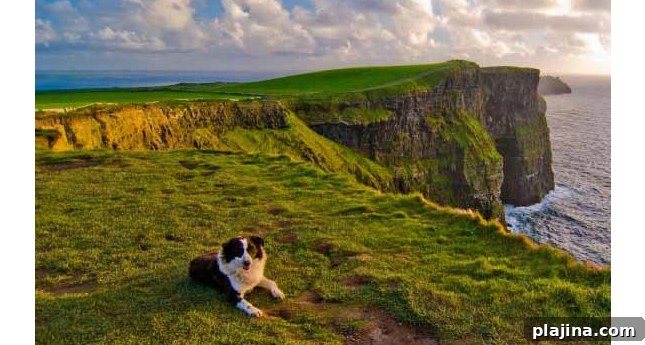
The famous Cliffs of Moher are guarded by O’Brien’s Tower, set about 702 feet above the Atlantic and offering sweeping views that include the Aran Islands. At Loop Head, a lighthouse dating from the 17th century sits beside waters frequented by bottlenose dolphins, creating memorable coastal encounters.
To the west, the Blasket Islands mark one of Europe’s most westerly points and preserve a distinctive island culture. Off the coast, the Skellig Islands rise from the sea in sandstone formations recognized for their unique heritage and vistas. For a truly remote experience, Dursey Island is home to Ireland’s only cable car, connecting visitors to a starkly beautiful landscape.
From the windswept cliffs of the north to Ireland’s Teardrop at Mizen Head and the historic Old Head of Kinsale in the south, the Wild Atlantic Way unfolds in a sequence of dramatic coastlines, village harbors and natural highlights that invite discovery at every turn.
TAKE A JOURNEY along the Causeway Coastal Route in Northern Ireland, a 130-mile stretch between Belfast and Londonderry that showcases dramatic geology, rich history and cultural landmarks. This corridor of coast and countryside has links to saints, warriors, writers and generations of coastal communities.
Along the route you can visit Boneybefore, the ancestral home connected with the seventh U.S. president, Andrew Jackson, and view the striking Scottish baronial architecture of Ballygally Castle. Near Waterfoot, the ruins of a 17th-century castle recall turbulent centuries of local history.
A short detour and ferry from Ballycastle leads to Rathlin Island, where several historic lighthouses and coastal walks reward exploration. For the bold, crossing the 80-foot chasm on the famous rope bridge at Carrick-a-Rede is an exhilarating experience, followed by the otherworldly hexagonal basalt columns of the Giant’s Causeway—a UNESCO World Heritage site renowned for its geology and legends.
As you continue toward Londonderry, the pale limestone cliffs at Whiterocks and coastal features around Ballymoney reveal landscapes inhabited since Neolithic times. Magilligan holds Ireland’s largest sand accumulation, and remnants of early settlement survive in areas such as Eglinton, offering glimpses into the past.
These highlights represent only a portion of what the Causeway Coastal Route offers: dramatic shorelines, ancient sites and vibrant communities combine to create a journey rich in natural and cultural treasures.
For official visitor information and updates, consult the national tourism site.