
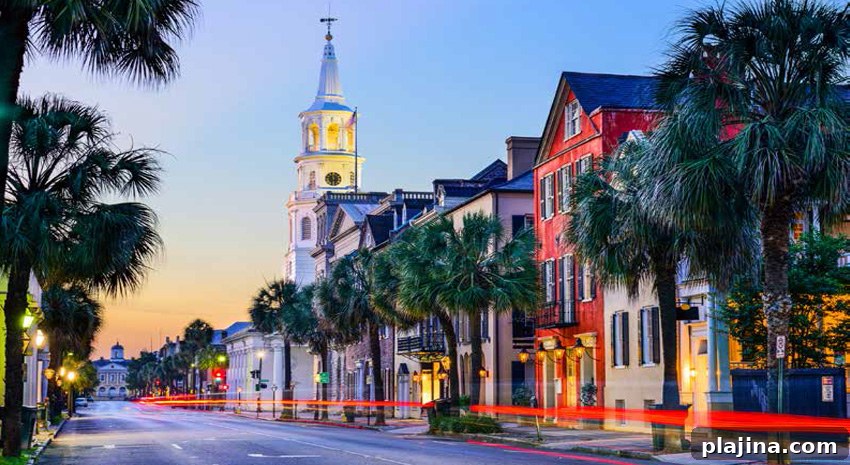
While the saying goes, “Never judge a book by its cover,” destinations are often defined by their people. If Charleston, S.C., is measured by its residents, the city earns high marks. During a recent visit it was clear that Charlestonians are proud of their history, development and local culture. Local residents—from longtime natives to enthusiastic transplants—freely share insider knowledge and recommendations, and their passion for the Holy City is contagious.
Charleston’s popularity is rising thanks to a steady stream of accolades and high-profile media attention. The airport has expanded, now offering daily non-stop service to numerous U.S. and Canadian cities and convenient connections to international hubs. Its coastal location and generally pleasant climate make the city an attractive destination year-round.
Hoteliers are responding to demand with new properties and renovations. Recent additions and updates include The Spectator, known for its butler service; Restoration on King, a distinctive boutique property; and the Grand Bohemian Hotel, part of the Autograph Collection. The Vendue has become a draw for a stylish, rooftop-cocktail crowd, while classic luxury remains strong with properties such as Wentworth Mansion and the five-star Belmond Charleston Place, which completed a major renovation in 2016. New hotels continue to expand the lodging mix to suit a wide range of travelers.
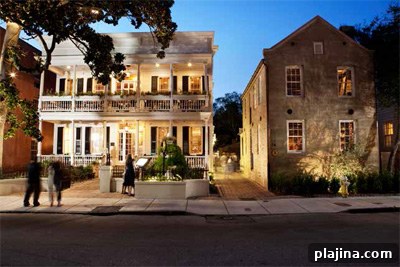
Husk © SQUIRE FOX
Food and drink are two of Charleston’s strongest attractions. Husk, led by Executive Chef Sean Brock, has received national recognition since opening in 2010 and frequently appears on year-end best-of lists. Other acclaimed chefs and restaurants, such as Rob Stehling at Hominy Grill, Mike Lata at FIG and Michelle Weaver at Charleston Grill, help fuel the city’s culinary reputation. Beyond fine dining, Charleston’s cuisine shines in casual and regional favorites—shrimp and grits, freshly baked biscuits and inventive cocktails are all part of the local culinary identity.
Charleston’s economy also earns praise across multiple industries. The region is a fast-growing center for aircraft and component manufacturing, vehicle assembly and automotive parts remanufacturing. It is emerging as a tech hub alongside cities like Austin and Raleigh, with a digital economy growing faster than the national average. Demographically, Charleston ranks highly for millennial population among mid-sized metros, and the U.S. Census Bureau reports steady net in-migration, reflecting the city’s appeal.
Factors drawing new residents and businesses include a relatively low cost of living, strong school performance in many districts, reasonable housing values and an appealing lifestyle. Major employers in the region include The Boeing Company, Roper St. Francis Healthcare, Trident Health System and retail chains that support local employment and economic diversity.
Charleston’s waterfront setting, cultural amenities and dining scene also make it a popular meetings and events destination. Meeting spaces range from historic mansions and boutique venues to the modern Charleston Area Convention Center, which provides large-scale exhibit and conference capacity.
Beaches are another major draw. Charleston’s five distinct beach communities—Isle of Palms, Sullivan’s Island, Folly Beach, Kiawah Island and Seabrook Island—each offer a unique atmosphere, from relaxed surf towns to upscale resort islands. These beaches provide options for day trips, events, or longer stays, and are a major reason many visitors and residents choose the region.
With its rich history woven into contemporary life, varied culinary scene, growing industries and attractive coastal lifestyle, Charleston stands out as a city worth visiting and exploring.
SCENIC DRIVES
For a combination of history and scenery, drive the 19-mile Ashley River Road from Charleston to Ridgeville. This route passes two notable plantations—Middleton Place and Magnolia Plantation and Gardens—both offering tours and well-preserved landscapes.
Explore metropolitan Charleston by looping from Daniel Island to James Island. Though not long, this drive showcases waterways, salt marshes, beaches, historic homes and gardens, with points of interest such as Boone Hall Plantation and Gardens along the way.
For a longer Lowcountry experience, follow the coastal route from South Carolina into Georgia, roughly 200 miles in total. Starting or ending in Charleston and including Savannah as a convenient stop, the journey highlights sites such as Angel Oak, Edisto Island, Beaufort, St. Helena Island, Hunting Island and Pinckney Island, making for an immersive regional road trip.