
Cruise travel can be an excellent vacation option for people with disabilities: food, lodging, entertainment and medical support are often available in one place, simplifying logistics. While many ships provide basic accessibility—such as a selection of accessible staterooms and limited accessible seating—some vessels go much further. The following ships are known for their strong accessibility features and thoughtful design.
Celebrity Cruises built its newest ship, Celebrity Ascent, with accessibility in mind. Public areas include wider corridors, automatic doors and gentle ramps that make navigation easier for wheelchair users and those with limited mobility. Pool lifts allow passengers with mobility challenges to enjoy the pools, and an accessible tender loading platform helps guests who use wheelchairs or small mobility scooters board tenders to reach the pier. Before sailing, travelers can contact Celebrity’s dedicated accessible shore excursions team to get personalized guidance for port visits. Other ships in Celebrity’s Edge Class offer similar accessibility-focused layouts and features.
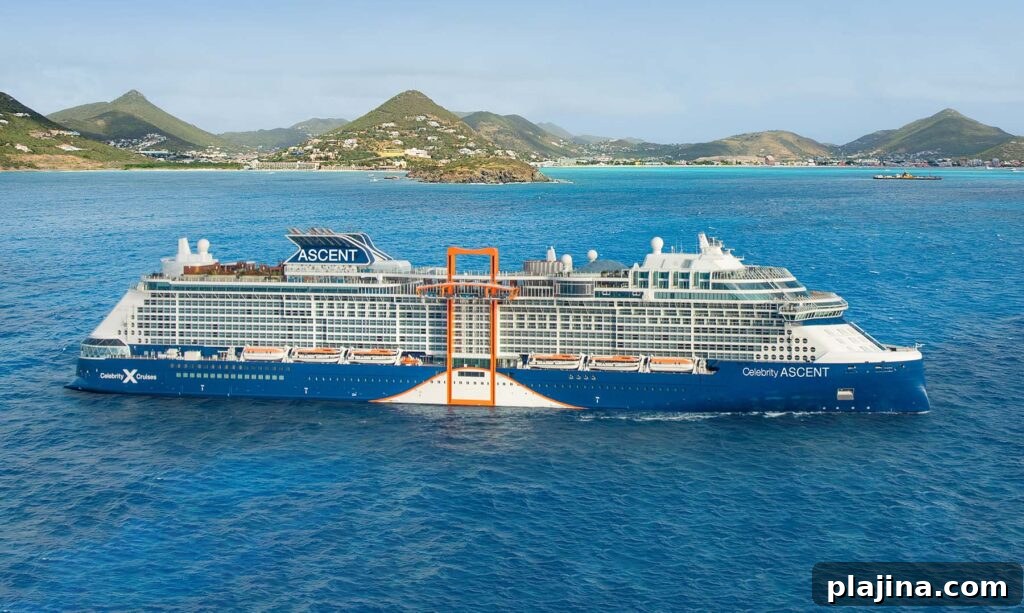
Celebrity Ascent © Celebrity Cruises
Crystal Symphony is notable for personalized service and practical onboard accessibility. Many staterooms benefit from round-the-clock butler service, which can be invaluable for passengers who need assistance arranging equipment or support during the voyage. The crew is trained to assist guests with disabilities throughout embarkation, daily activities and disembarkation. Wide hallways, numerous elevators and thoughtful layout reduce congestion and make movement easier even when the ship is busy.
The vessel also features accessible entrances and seating across restaurants, theaters and other public spaces. For shore activities, Crystal’s shore excursions staff can typically coordinate wheelchair-accessible transportation and adapted tours, often working with partners experienced in accessible travel. The line’s Crystal Serenity provides comparable accessibility accommodations.
Royal Caribbean’s Symphony of the Seas offers an extensive range of accessibility options across its many decks and venues. The ship carries a larger number of accessible staterooms than average and provides accessible seating throughout dining venues and entertainment spaces. In Casino Royale, for example, there are lowered blackjack tables and slot machines with movable seating to accommodate guests using wheelchairs and scooters. The Royal Theater and Aqua Theater include ample accessible seating, and pool lifts are available at pools and hot tubs.
Symphony of the Seas includes automatic doors, ramps and elevators serving all 18 decks, helping passengers access the ship’s amenities with minimal barriers. Embarkation and disembarkation are supported by accessible routes to tender platforms and wide gangways, and Royal Caribbean frequently offers accessible shore excursions at many ports.
Holland America Line’s recently refurbished ms Oosterdam is another strong option for travelers who require accessible features. The ship has an elevator to the tender level so wheelchair and scooter users can roll directly on and off the tender platform. Elevators serve all decks except the Sports Deck, and public spaces are configured with accessibility in mind. In the casino, lower playing tables improve access, and the Vista Lounge includes accessible seating. Holland America’s Shore Excursion Department can often help arrange accessible activities and transportation at port stops.
When planning a cruise, passengers with disabilities should contact the cruise line well in advance to confirm specific accommodations, request accessible staterooms, and discuss medical or mobility needs. Asking about door widths, bathroom configurations, roll-in showers, transfer benches, dedicated accessible seating and on-board medical capabilities helps ensure a comfortable voyage. Many lines also offer dedicated teams to help plan inclusive shore excursions and coordinate specialized equipment, making it easier to enjoy ports of call.
Choosing a ship with robust accessibility features, well-trained staff and a proactive shore-excursions team can make cruising a comfortable, enjoyable experience for travelers with disabilities. The vessels described here are examples of ships that prioritize accessibility through design, services and shore-side support.