
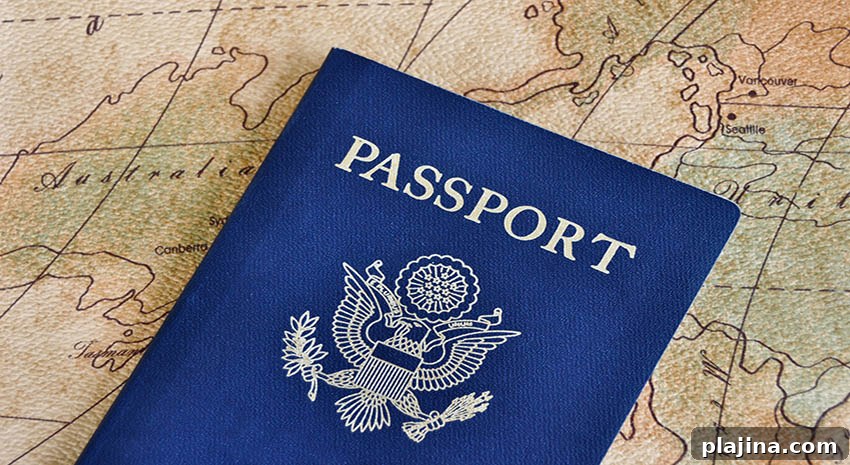
Arton Capital’s Passport Index recently updated its rankings. The Index, created by a leading global advisory for residence and citizenship solutions, evaluates national passports based on the level of cross-border access they provide. Countries are ranked by the number of destinations their passport holders can enter without a visa or with visa-on-arrival.
“Visa-free global mobility has become an important factor in today’s world,” said Armand Arton, founder and president of Arton Capital. “Each year, more people invest significant sums in a second passport to secure greater opportunities and protection for their families.”
In the latest update, Singapore overtook Germany for the top position after Paraguay removed its visa requirements for Singaporean citizens. Germany had held the leading spot for several years, and many European nations dominated the highest ranks historically. Recently, however, countries from Asia have been climbing the list—South Korea, Japan and Malaysia all now appear among the top 20.
“For the first time ever an Asian country has the most powerful passport in the world,” said Philippe May, managing director, Singapore, Arton Capital. “This reflects Singapore’s broad diplomatic engagement and effective foreign policy.”
By comparison, the United States passport shares sixth place with Canada, Ireland and Malaysia. The relative ranking of the U.S. passport slipped following policy changes under President Trump, as several countries, including Turkey and the Central African Republic, altered visa arrangements that reduced visa-free access for U.S. passport holders.
The Passport Index remains a widely used tool for measuring global mobility, showing how diplomatic relations, bilateral agreements and shifting visa policies influence travel freedom. For individuals and families considering second-citizenship or residency options, these rankings offer a snapshot of current mobility advantages and trends across regions.