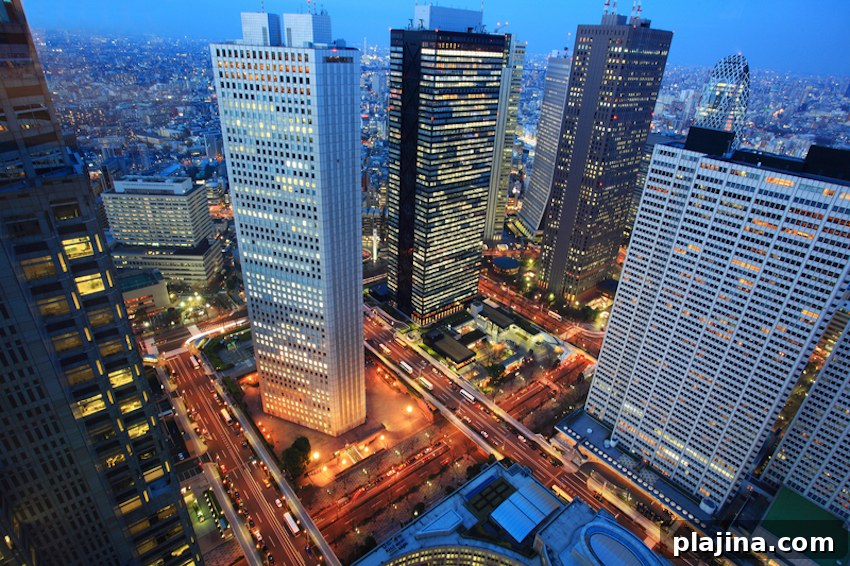
The Economist Intelligence Unit has released a new ranking of Asia-Pacific cities for bleisure travelers, with Tokyo claiming the top position among 26 cities assessed in the study.
The index evaluates cities on a five-point scale based on feedback from 1,500 business travelers. Respondents rated destinations across practical travel considerations such as transportation convenience, availability of consumer goods and services, and the quality of attractions that blend business and leisure.
Following Tokyo, the highest-ranking cities are Singapore, Sydney, Hong Kong and Melbourne. At the lower end of the list are Colombo, Hanoi and Manila, while mid-ranked cities that scored around three stars include Osaka, Perth and Seoul.
One notable finding is that the most “livable” cities in the region, as identified by the Economist’s Global Liveability Index, do not always align with the top choices for bleisure travelers. Factors that make a city attractive for everyday living—such as general safety or residential comfort—do not necessarily equate to features bleisure travelers prioritize.
Bleisure travelers place particular value on high-quality dining, access to historical and heritage sites, and cultural attractions like art galleries and museums. These leisure-driven amenities can make a significant difference when business travelers extend trips for personal time, and they help cities stand out in a competitive corporate travel market.
The report suggests a strategic opportunity for city leaders and tourism planners: improving the intersection of business infrastructure and leisure experiences can increase appeal to corporate travelers. Cities that already perform well in the bleisure ranking tend to combine efficient transit and business services with strong cultural, culinary and heritage offerings; other cities can look to those examples when developing targeted enhancements.
For businesses and travel managers, the findings highlight which destinations may offer the best balance of professional amenities and memorable leisure options for employees who extend work trips. For city officials and tourism boards, the ranking identifies areas to invest in—such as culinary scenes, museum access or heritage preservation—to attract more bleisure visitors.
The full report, including a detailed breakdown of methodology and scoring for each city, is available from the Economist Intelligence Unit’s publication.