
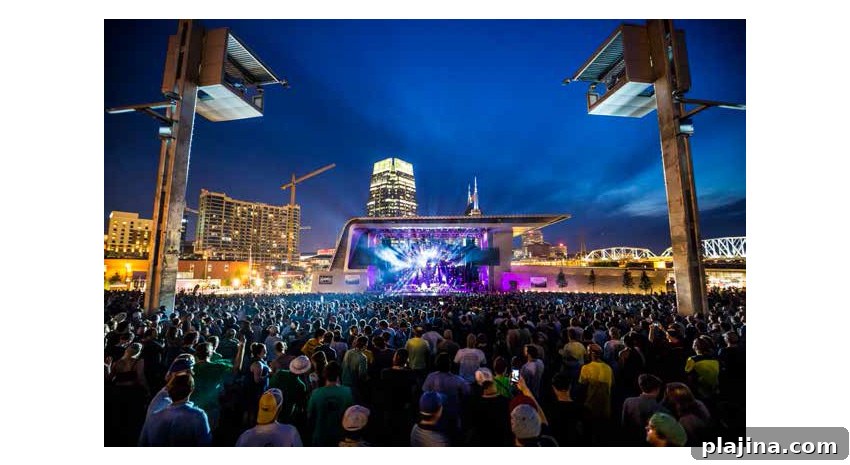
With more than 120 live performance venues and an economic impact of $9.7 billion, Nashville truly earns its “Music City” reputation. Look beyond the music, however, and a broader region appears—one with a diverse economy, relatively low cost of living and a well-educated workforce. Combined with cultural variety, distinctive neighborhoods, professional sports teams and a lively creative community, it’s clear why Nashville is experiencing strong growth in tourism, business development and population.
“The Nashville region is a magnet, particularly for a younger generation,” says Ralph Schulz, president and CEO of the Nashville Area Chamber of Commerce. “Over the last year, the Nashville economic region was named one of the top-performing regions in the world.”
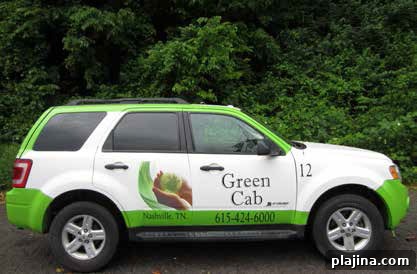
Green Cab electric taxi © GREEN CAB
Nashville is also a leader in sustainability and innovation. The Music City Center, completed in 2013, spans 2.1 million square feet, earned LEED Gold certification and features a four-acre green roof, a 360,000-gallon rainwater collection system and 845 solar panels. Nashville International Airport, which serves about 12 million passengers a year, supports eco-friendly initiatives such as solar-powered electric vehicle chargers and an efficient cooling system that saves electricity and water. Local businesses and organizations contribute as well: composting services support restaurants, an electric taxi fleet reduces emissions and artist cooperatives are converting old industrial spaces into galleries and studios.
Public spaces and infrastructure reflect the city’s green priorities. Cumberland Park transformed a 7.5-acre former industrial site into an urban waterfront park, and Ascend Amphitheater revitalized a former landfill into an outdoor concert venue. Across the region, more than 190 miles of trails—about one-third paved—connect parks and open spaces. Streetscapes continue to improve with added bike lanes, LED lighting and plantings of native trees and shrubs.
“It’s critical that we preserve and protect the natural beauty and environmental resources that contribute to Nashville’s unique appeal,” says Mayor Megan Barry, whose Livable Nashville Committee leads many of the city’s sustainability efforts. “We’re working to develop the right solutions to ensure that as our city grows, we do it in an environmentally sustainable way.”
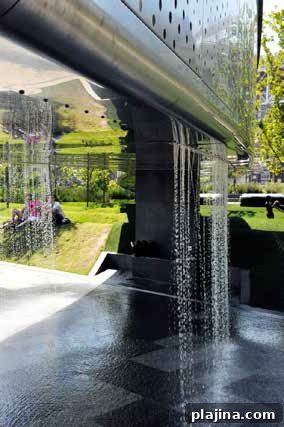
Cumberland Park © NASHVILLE CONVENTION & VISITORS CORP.
At the same time, Tennessee’s business-friendly tax structure helps keep operating costs lower than the national average. That advantage has drawn major companies: between July and November 2016, 41 businesses announced relocations or expansions that will add thousands of jobs and substantial capital investment. Established headquarters in the region include Nissan North America, Dollar General, Gibson Guitar and Hospital Corporation of America, underscoring the diversity of Nashville’s corporate landscape.
Tourism is Nashville’s fastest-growing industry. In 2015, more than 13.5 million visitors spent $5.7 billion in the area—an increase of 3.5 million visitors over five years. To accommodate rising demand, several new hotels planned openings that added more than 1,500 rooms to the existing inventory. The city’s popularity extends into popular culture as well, with television shows and media attention showcasing Nashville’s music and lifestyle.
Music remains a core attraction: the Country Music Hall of Fame and Museum, historic RCA Studio B and the lively honky-tonks on Lower Broadway draw fans from around the world. Yet Nashville’s appeal is broader than music alone. Museums, galleries and historic sites reveal a city that has matured into a sophisticated, multifaceted destination with offerings for a wide range of interests.
Reaching Nashville is easy. The city is one of only a few in the U.S. with direct access to three interstate highways, and the international airport provides nonstop service to many destinations, making travel convenient for both business and leisure visitors.
SCENIC DRIVES
The Natchez Trace Parkway stretches 444 miles from Natchez, Mississippi, to Nashville, winding through hardwood forests, rolling valleys and scenic bridges. For a glimpse of historic Tennessee, follow the parkway about 40 miles to the village of Leiper’s Fork. One of the state’s oldest communities, Leiper’s Fork has seen a revival as artists, boutique owners and restaurateurs repurpose historic buildings into vibrant shops and eateries. Explore local stores for vintage home goods, handcrafted soaps and Southern comfort fare. The town’s relaxed charm and creative energy sometimes attract musicians and public figures who favor low-key visits.
About 90 miles east of Nashville on the Cumberland Plateau sits Sewanee: The University of the South, a liberal arts college known for its Gothic architecture and tranquil campus. Often compared to historic universities in England, Sewanee combines academic life with extensive natural areas: the university’s domain spans roughly 13,000 acres, includes numerous caves and offers more than 50 miles of hiking trails that lead to dramatic overlooks. Nearby town restaurants provide relaxed spots to refuel after exploring the trails and scenic ridgelines.