
A short plane ride brings visitors from Kuala Lumpur, Singapore and Bangkok to the island known as the “Pearl of the Orient.” Malaysia’s smallest province, located about 200 miles north of Kuala Lumpur, includes a sliver of mainland, but is primarily a 112-square-mile island offering a compact mix of cultural sites, jungle trails, beaches and diverse dining options. Penang is ideal for travelers who want to explore heritage, hike, relax by the sea or sample outstanding local cuisine.
One of Asia’s most famous resort destinations, the island’s official name is Pulau Pinang, derived from the areca palm. Settled by Capt. Francis Light under an arrangement to provide military protection to the sultan of Kedah, it became the region’s earliest British settlement. Strategically positioned along trade routes between China and India, Penang was a major port on the Straits of Malacca until Singapore rose in prominence in 1819. Today the island’s population of about one million reflects a rich mix of Chinese, Malay, Indian, East Asian, Portuguese, Dutch and British heritage, all of which contribute to its cultural vibrancy.
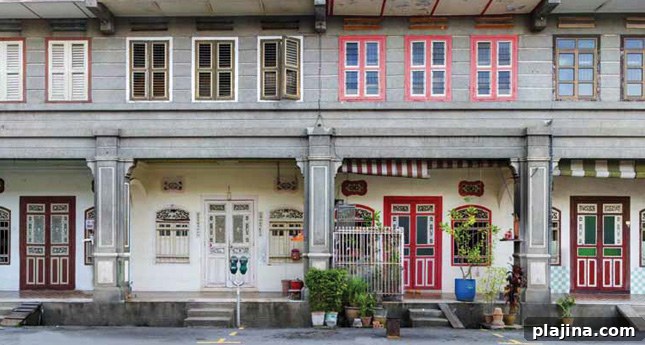
Most visitors begin in George Town, the capital and cultural heart of the island. With one of the highest concentrations of colonial buildings in Southeast Asia—some 12,000 original structures remain—George Town retains Old World charm and was designated a UNESCO World Heritage Site in 2008. Visitors enjoy wandering its narrow grid of streets lined with low-rise townhouses, tea shops, temples and colorful shop houses with Chinese signboards. Neighborhoods include Old Town, Chinatown and Little Italy, while the modern 58-story KOMTAR tower offers a contrast to the historic core. Heritage walks, hop-on hop-off shuttle buses and trishaw rides make it easy to explore key landmarks; when taking a trishaw, negotiate the fare in advance.
Fort Cornwallis is a good first stop. The star-shaped wooden fort built in the early 1800s now encloses a pleasant park, with exhibits in the barracks and gunpowder magazine that explain the island’s colonial history. Near the entrance a traditional Malay kampong house and a small Christian chapel add to the site’s appeal. An original cannon known as “Serai Rambai” is a popular touchstone believed by some to bring good luck.
Just outside the fort stands the Penang Clocktower, built to commemorate Queen Victoria’s Diamond Jubilee; its 60-foot height symbolizes each year of her reign. The nearby town green, Padang Kota Lama, is framed by monumental colonial buildings such as the Town Hall, the Legislative Building and the Penang Art Gallery. The Penang Museum and Art Gallery offers a well-curated look at local history and culture, featuring photographs, rickshaws and period objects that illustrate life across the island’s diverse communities.
Khoo Kongsi Clan House temple © Rodrigolab | Dreamstime.com
A striking example of the Chinese legacy is the Khoo Kongsi Clan House, an ornate clan complex built to protect family shrines and social welfare. The entrance is guarded by a statue of a watchman, and the Dragon Hall displays ceramic sculptures of immortals and carp, demonstrating the craftsmanship and ceremonial traditions of Penang’s Chinese community.
The seafront Esplanade is a pleasant place for an evening stroll. Other notable sites include the Acheen Street Mosque with its distinctive minaret and the moss-covered Old Protestant Cemetery, where Francis Light and Thomas Leonowens are buried. Historic houses also stand out: Cheong Fatt Tze Mansion is a carefully restored example of Straits Chinese architecture, featuring carved moldings, teak and terracotta floors, stained glass and antique furnishings. The mansion offers a courtyard setting and a number of rooms for guests seeking an immersive heritage stay.
The Eastern & Oriental Hotel, built in 1885 by the Sarkies brothers, is another landmark. Its colonial façade, Moorish minarets and manicured lawns evoke the grand era of travel. Visiting Farquhar’s Bar for a sundowner in the hotel’s clubby, wood-lined interior is a classic Penang experience.
Beyond George Town the island reveals jungles, lakes, beaches, a compact national park and a cool hill station. Penang Hill—also known as Bukit Bendera or Flagstaff Hill—offers noticeably cooler temperatures and panoramic views at its 2,273-foot summit. A historic funicular train reaches the top in nine minutes, while a five-mile footpath from the Moon Gate at the Botanic Gardens provides a scenic hike. The Botanic Gardens, established in 1884, include themed pavilions for orchids, palms and bromeliads, plus a cactus garden.
Penang National Park, the island’s protected area on the northwest coast, packs a wide variety of tropical habitats into a small area: forest, wetlands, mangroves, mudflats, beaches and coral fringes. The park contains a turtle conservation center and the historic Muka Head lighthouse. During seasonal changes visitors may witness a meromictic lake, where denser seawater sits beneath fresh mountain runoff. Remote beaches, including Monkey Beach, are among the island’s best and are home to crab-eating macaques in their natural environment.
Teluk Bahang Recreational Forest on the north coast offers marked hiking trails, pools, small waterfalls and a forestry museum. Nearby an old rubber plantation has been transformed into the Tropical Spice Garden, a well-planned showcase of tropical herbs and spices that offers guided tours and cooking classes. Close by, a butterfly sanctuary hosts thousands of butterflies in landscaped gardens, creating a peaceful, family-friendly attraction.
For many visitors, the beaches are the main draw. Batu Ferringhi, just beyond George Town, features a mile-and-a-half stretch of white sand and a lively resort scene. Once a haven for backpackers, the area now hosts international hotels, water sports and a nightly bazaar where vendors sell crafts, souvenirs and street food in a carnival atmosphere.
Notable beachfront hotels include Lone Pine, a relaxed property with a long local history; the family-friendly Golden Sands Resort; and the more exclusive Shangri-La Rasa Sayang, known for its Minangkabau-inspired architecture and signature spa treatments. Parkroyal and other resorts offer pools, spa services and easy access to the night market on Batu Ferringhi, where evenings come alive with food stalls and local handicrafts.
laksa Penang © Benglim | Dreamstime.com
Food is central to the Penang experience. Local cuisine reflects the island’s multicultural heritage, ranging from Peranakan (Nyonya) dishes to Malay, Chinese and Indian specialties. Must-try items include laksa Penang, a tangy fish-and-tamarind noodle soup; ikan bakar, grilled fish; pasembur, a spicy-sweet salad of vegetables, fritters and seafood; and cendol, a cooling dessert of green rice-flour jelly with shaved ice, coconut milk and palm sugar. While restaurants serve many of these dishes, the best and most affordable versions are often found at hawker stalls and open-air markets on Batu Ferringhi and Gurney Drive, making Penang a top destination for food lovers.
Penang Info to Go
Daily shuttle flights connect George Town’s Bayan Lepas International Airport with Kuala Lumpur, Bangkok, Singapore and Hong Kong. The airport is about 12 miles south of George Town, and several airlines operate frequent one-hour flights from Kuala Lumpur. Overland arrivals can use the ferry from Butterworth or cross the eight-mile-long bridge that links the island to the mainland.