
Since 1985 the European Union has been naming a European Capital of Culture for a full calendar year, during which the chosen city hosts a rich programme of cultural events emphasizing a pan‑European perspective.
Holding the title of European Capital of Culture can bring substantial cultural, social and economic advantages. It often sparks urban renewal, boosts tourism, strengthens local cultural infrastructure and raises a city’s profile across Europe and beyond.
In 1999 the EU began selecting multiple cities to share the designation in the same year. For 2023 the EU named three cities as European Capitals of Culture: Eleusis in Greece, Veszprém‑Balaton in Hungary and Timișoara in Romania.
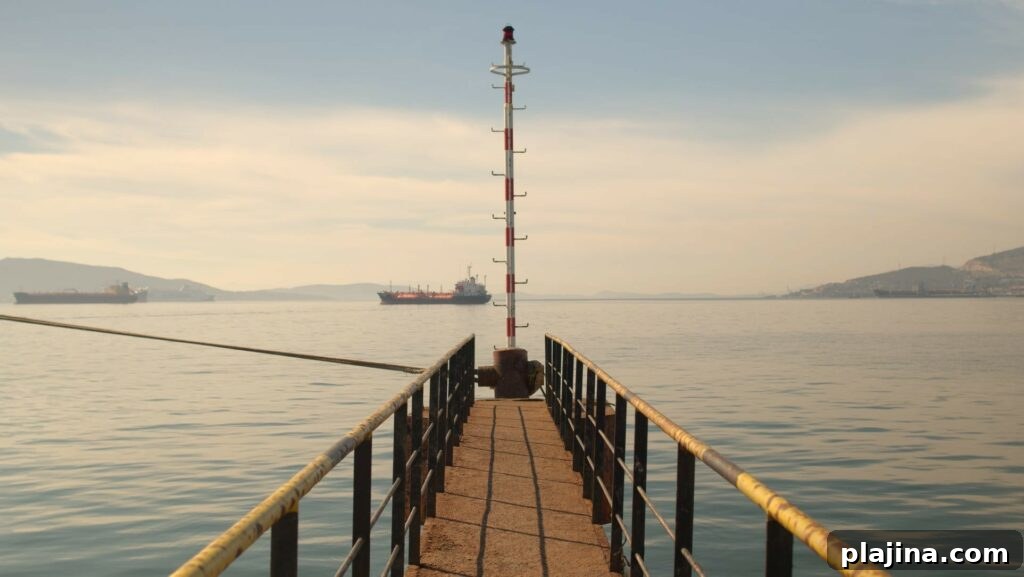
Eleusis © Pantelis Ladas
Eleusis, located about 12 miles west of Athens, has evolved continuously from antiquity to the present day and has long been a meeting place of ideas and cultures. This history is embodied by Iera Odos (the Sacred Way), the ancient route that links Athens to the sanctuary of Demeter in Eleusis. With its archaeological site, historic port and former industrial buildings repurposed as cultural facilities, Eleusis2023 presents exhibitions and events that trace the area’s story from ancient rites to contemporary life. Through artist residencies, site‑specific works, photography and archival material, the programme aims to transform the city itself into a living museum.
Veszprém is one of Hungary’s oldest urban centres and sits roughly nine miles from Lake Balaton, Central Europe’s largest freshwater lake. As European Capital of Culture 2023, Veszprém aims to showcase how a town of around 69,000 residents can be both scenically beautiful and deeply connected to Europe’s cultural currents.

Veszprém © Csaba Toroczkai
“We believe that 2023 will help us become an exciting destination and a new cultural‑creative hub within Europe,” said Alíz Markovits, CEO of Veszprém 2023. The city’s programme mixes festivals, concerts, exhibitions and community projects to interpret culture broadly—from film and music to literature and gastronomy. Highlights include longstanding regional events and newer initiatives that reach across genres and audiences. Perched above the town, the Castle District overlooks narrow medieval streets full of museums, galleries, palaces and churches, offering a historic backdrop to contemporary cultural life.
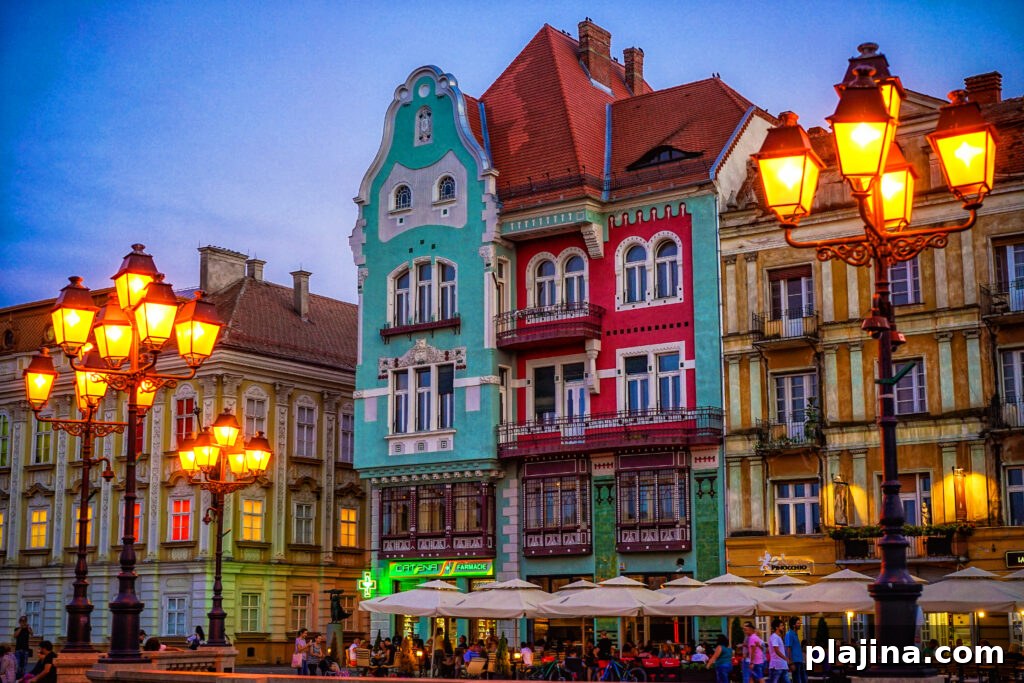
Timisoara © Adrian Bodas
Timișoara, on the northern bank of the Bega River in western Romania, is celebrated for its distinctive architecture and lively cultural scene. Often called “Little Vienna,” the city hosts year‑round music and theatre performances, art exhibitions and a vibrant nightlife. Timișoara earned an early reputation for innovation: it was among the first cities in Europe to illuminate its streets with electric light. Today the city benefits from a large student population, a thriving creative sector and growing economic activity in industries such as automotive and information technology.
As part of its Capital of Culture programme, Timișoara will feature major exhibitions and a diverse series of cultural events that highlight local and international creativity, reinforcing the city’s role as a dynamic cultural and economic centre in the region.