
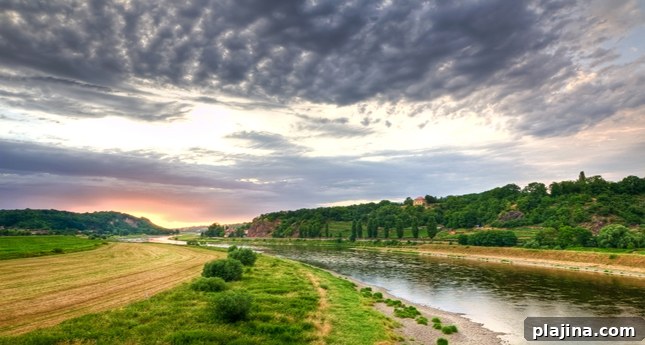
The Elbe River flows through the center of Dresden, serving both commercial shipping and picturesque river cruises. In 2006, UNESCO designated a 12-mile stretch of the Dresden Elbe Valley as a World Heritage Site, a decision that was warmly welcomed by local cultural and tourism officials who had long sought international recognition.
That celebration was short-lived. Soon after the designation, Dresden announced plans to build a modern bridge across the Elbe within the bounds of the newly recognized site. The bridge proposal had been under consideration for years as a solution to traffic congestion in the historic city center. UNESCO warned that the construction would endanger the valley’s cultural landscape and threatened to withdraw the World Heritage status if the project proceeded.
Proponents of the bridge argued that improving traffic flow was essential for attracting investment and supporting economic growth. They said a new crossing would reduce congestion, improve connectivity between neighborhoods, and make Dresden more appealing for businesses and residents. Opponents countered that losing UNESCO recognition would damage Dresden’s reputation as a cultural destination, reduce tourism, and harm the local economy.
After the plan was approved in a city-wide vote, construction of the Waldschlösschen Bridge went ahead. In 2009 UNESCO took the unusual step of stripping the Dresden Elbe Valley of its World Heritage status. The four-lane, $268 million steel bridge opened in 2013, carrying regular traffic across the Elbe a few miles east of downtown Dresden.
While the controversy over the bridge strained relations with parts of the international heritage community, Dresden has continued to attract visitors since the bridge opened. Tourism numbers have risen, and ongoing business, hospitality, and residential development projects have contributed to the city’s economic momentum. The episode remains a notable example of the tensions that can arise between preservation goals and urban development needs.