
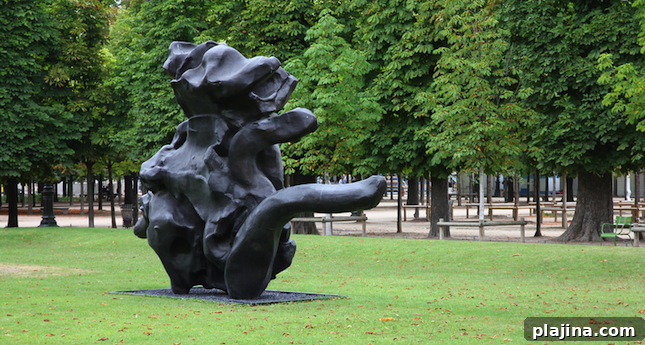
American Gestures: Abstract Expressionism opens at the Museum of Fine Arts in Boston. Often called the New York School, Abstract Expressionism met early skepticism in international art circles but quickly achieved global recognition, in part through the advocacy of critic Clement Greenberg, known for his writing in the Partisan Review and The Nation.
Emerging as an artistic response to the turmoil and aftermath of World War II, the movement developed primarily in New York City and attracted strong support from galleries and collectors. The label “Abstract Expressionism” became widely used in 1946 after art historian Alfred Barr applied it to the work of American artists, though the word “expressionism” had earlier roots in Germany.
The exhibition features works by leading figures such as Jackson Pollock, Willem de Kooning, Mark Tobey, David Smith, Lee Krasner, Bernard Childs, and Robert Motherwell. These artists advanced the movement through bold compositions that may initially appear spontaneous but reveal careful mastery of form, texture, spatial relationships, and color.
Visitors can explore the collection in the Robert and Jane Burke Gallery (Gallery 335) from Sept. 21 through June 1, 2014, and experience firsthand the range and depth of Abstract Expressionist practice.
You may also like:
Boston: By Land And By Sea