-
 Bat-focused tourism is gaining popularity and for good reasons. It raises awareness of bats’ crucial roles in ecosystems, supports conservation efforts, and can provide income for local communities where responsible viewing is possible. Below are seven notable destinations for bat tourism, each offering a unique opportunity to observe these important animals in the wild. © Tamas Melykuti – Dreamstime.com
 -
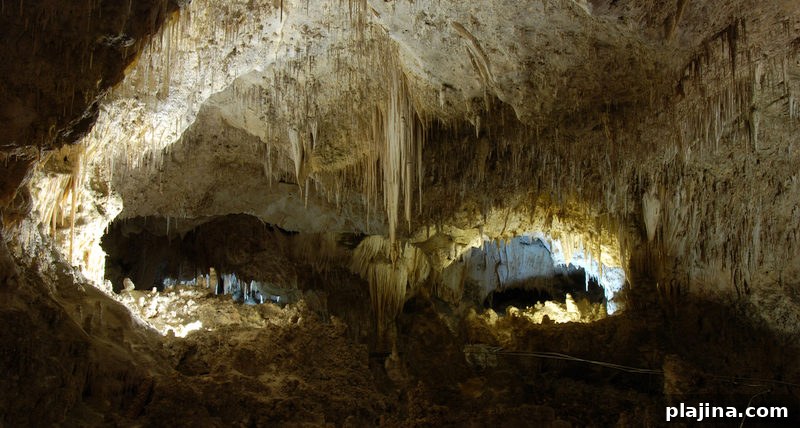
Carlsbad Caverns National Park, New Mexico: During summer evenings, roughly 500,000 to 1 million bats stream from the caverns. From Memorial Day through Labor Day, the park hosts nightly ranger talks where visitors can learn about the 17 bat species that inhabit the area and the ecological benefits they provide. © Mikekarcher – Dreamstime.com
-
Bracken Cave, Texas (near San Antonio): Home to the world’s largest bat colony, Bracken Cave shelters more than 15 million Mexican free-tailed bats. In summer, they are estimated to consume over 100 tons of moths nightly. Bat Conservation International arranges guided night visits for those who want to witness the spectacle and learn about the species’ role in pest control. © Daniel Holmes – Dreamstime.com
-
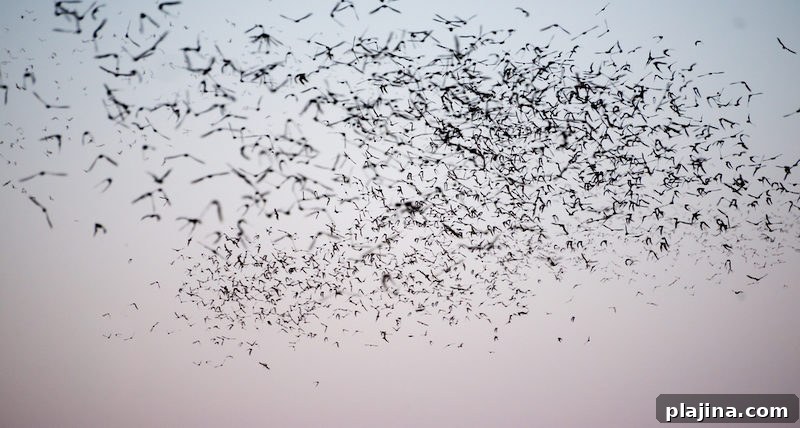
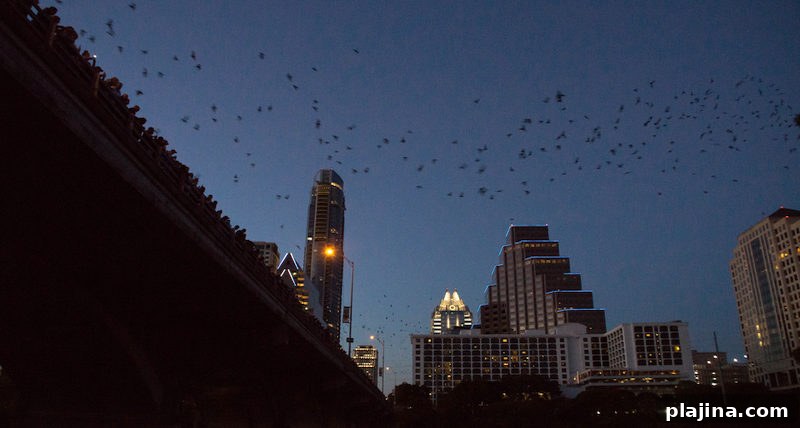
Austin, Texas — Congress Avenue Bridge: You don’t need to be far from urban comforts to see a remarkable bat colony. Over one million bats roost beneath Congress Avenue Bridge, and in summer evenings locals and visitors gather along the riverbank to watch them emerge in impressive clouds at dusk. © Snatalia – Dreamstime.com
-
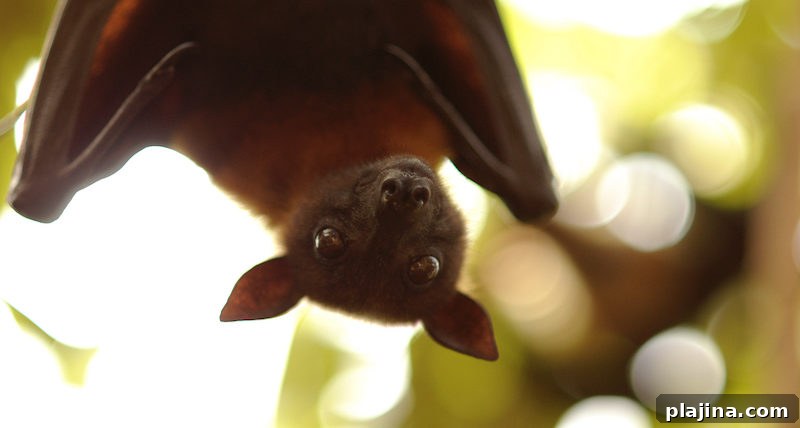
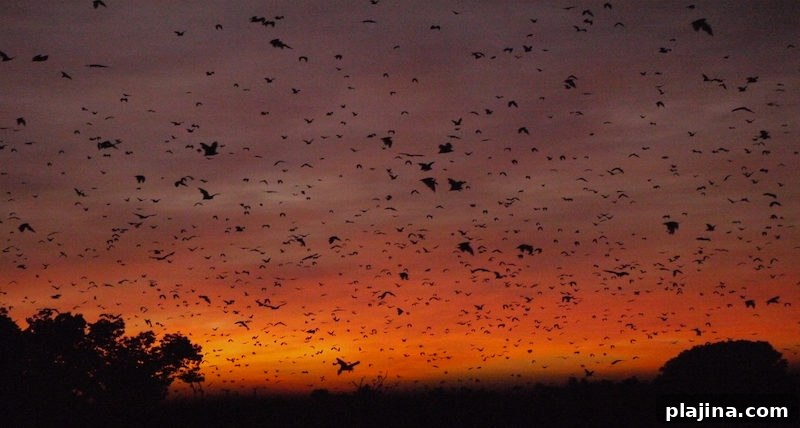
Kasanka National Park, Zambia: For international bat tourism, Kasanka is famous for its vast fruit bat gatherings. Around 10 million fruit bats concentrate in a very small area, roosting in trees by day and foraging by night. These large bats, with wingspans that can reach substantial width, create a dramatic natural event during peak season. © Irishkoala – Dreamstime.com
-
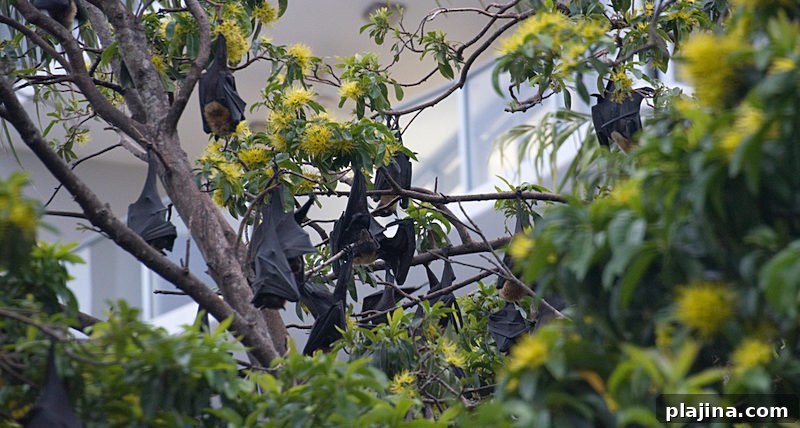
Cairns and other Australian locations: Australia is developing a Great Australian Bat Tourism Trail to showcase its bat diversity—bats make up about a quarter of the country’s mammal species. The Australasian Bat Society and local guides lead well-reviewed tours, and Cairns is particularly noted for its large flying-fox colonies. These tours emphasize education and conservation. © William Cosby – Dreamstime.com
-
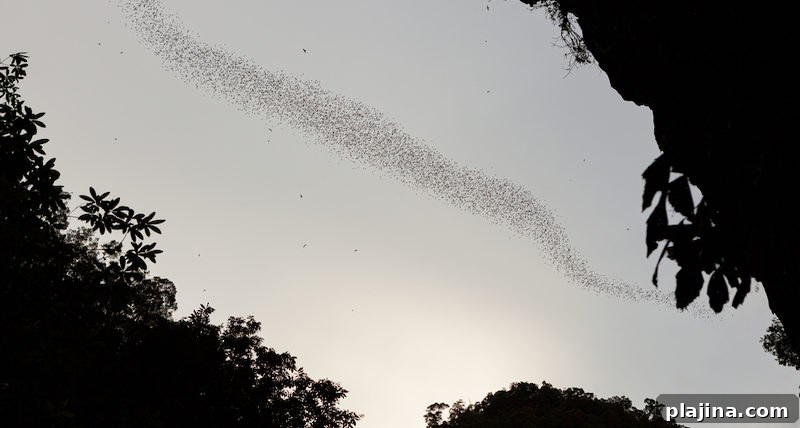
Gunung Mulu National Park, Borneo: Visitors hike to a bat observatory in Mulu to witness millions of bats emerging from the park’s enormous cave systems. The vast chambers provide ideal roosting habitat, creating an unforgettable evening display and offering insight into cave ecology. © Juhku | Dreamstime.com
-
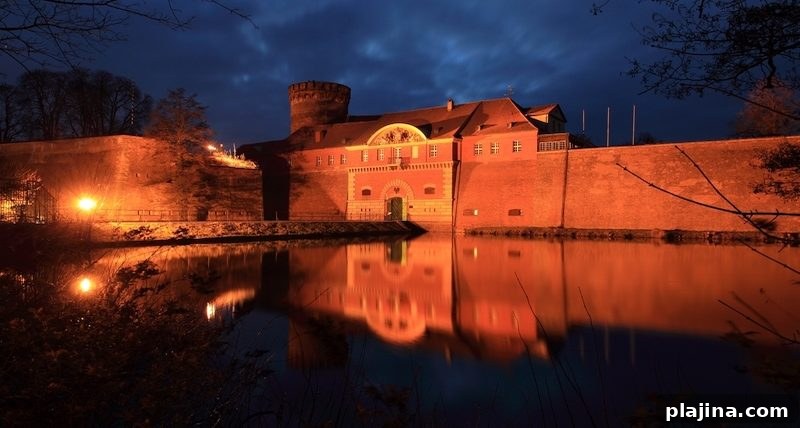
Spandau Citadel, Berlin: For a more atmospheric experience, the Renaissance-era Spandau Citadel provides winter shelter to about 10,000 bats. The site offers a dedicated viewing room and guided tours where visitors can observe the bats and learn about efforts to protect them within an urban heritage setting. © Lukas Blazek – Dreamstime.com