
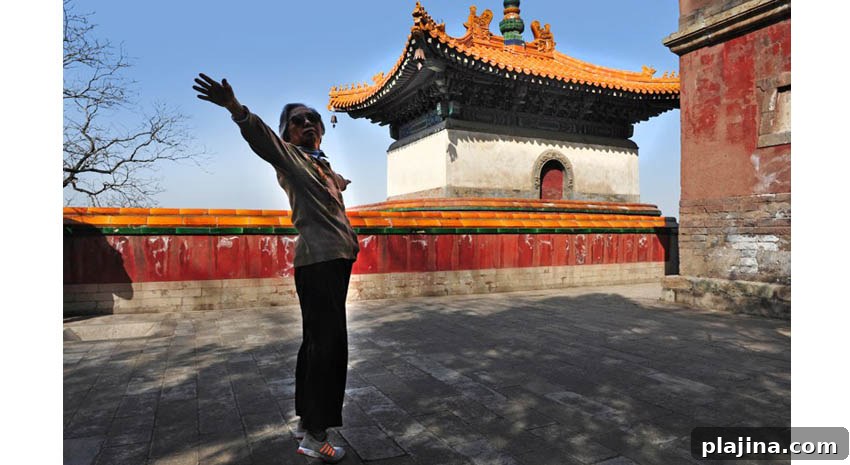
AMID THE CENTURIES-OLD cypress trees at the Temple of Heaven in southeastern Dongcheng District, wellness seekers move through the tai chi master’s meditative motions, arms raised in this ribbon of green space as they give morning thanks.
Beijing hums and pulses with traffic, crowds and a stream of sleek electric bikes, yet here you find a peaceful start to the day. Tai chi—an ancient Chinese practice believed to relieve stress and bring balance—provides a restorative beginning in the nation’s capital, where commerce, industry and government converge.
The city offers an array of upscale neighborhoods, parks and historic quarters where visitors can step off the busy main avenues and discover a quieter side of Beijing. These pockets of calm, often centered around heritage sites and green spaces, appeal to travelers who combine business with wellbeing.
In the historic Hutong District at the heart of Beijing, narrow lanes and traditional courtyard homes recall an earlier era. A pedicab rickshaw ride along Houhai Lake and through hidden alleyways reveals authentic local life and delivers a relaxed, engaging way to explore the area.
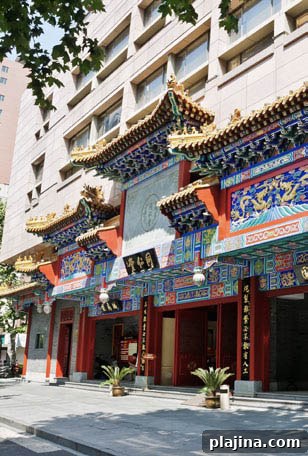
Beijing’s oldest pharmacy, Tongrentang © ZHAOJIANKANG | DREAMSTIME.COM
The Hutongs also nurture a small artist community along quiet lanes. Contemporary spaces like Arrow Factory, adapted from an old vegetable shop, and Lab 47, an independent experimental art venue, offer chances to meet local creators and experience Beijing’s contemporary arts scene away from the tourist tracks.
Wellness principles influence several luxury hotels in the city, often expressed through feng shui and traditional design. NUO Hotel Beijing in Chaoyang District, for example, integrates feng shui motifs such as a lobby water statue and a fish theme. The 438-room property blends modern design with references to China’s long cultural history, and guests often appreciate its calm atmosphere and original art collection.
NUO is also close to the Temple of Heaven, the iconic Ming Dynasty landmark built in 1420. Boutique local firms can arrange private tours and wellness-oriented itineraries, tailoring visits for individuals or corporate clients who want both cultural insight and stress-free logistics.
For a restorative treatment, the NUO Spa draws on Traditional Chinese Medicine concepts found in texts such as the Huangdi Neijing (Inner Canon of the Yellow Emperor). Treatments that integrate qi principles, yin and yang and the five elements—such as the spa’s Warm Wood Signature Massage—aim to induce deep relaxation and a meditative state. The spa and its TCM center offer a suitable setting for quiet conversation with clients before or after treatments.
Refreshed, you can move directly into a mid-morning meeting in one of NUO’s private rooms. Later, a peaceful break at the Yuan Tea House provides an intimate environment for discussing strategy over premium teas sourced from China’s finest plantations.
For lunch, consider King’s Joy in Dongcheng District. A private chauffeur in one of the hotel’s vintage Red Flag limousines can navigate the city’s busy streets, making punctual business lunches more manageable. King’s Joy, designed by Chinese-American architect Yung Ho Chang, is a leading fine-dining vegetarian restaurant popular with media and cultural figures.
Set amid bamboo and planted gardens, the restaurant serves light, fresh fare from organic farms. Operated by restaurateur David Yin, the menu reflects a thoughtful vegetarian approach aimed at presenting food as both nourishment and a statement of values.
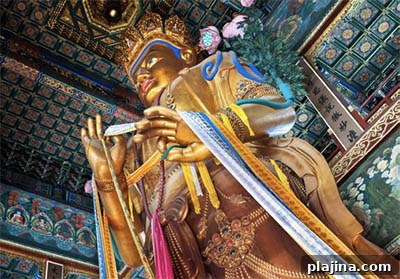
Maitreya Buddha statue in the Hall of Boundless Happiness, Lama Temple © STRIPPEDPIXEL | DREAMSTIME.COM
Across from King’s Joy, the Lama Temple offers a deep dive into more than three centuries of Buddhist history. A post-lunch visit to the temple, home to one of the world’s largest wooden Buddha statues, can be a restorative cultural complement to business engagements.
If time allows, an afternoon acupuncture session or a visit to Beijing’s oldest pharmacy, Tongrentang in the Dashilan area, can round out a wellness-focused itinerary. Standing quietly before the wooden Buddha or wandering the historic lanes, you’ll find that moments of calm and reflection are abundant—reminders that Beijing’s energy and tranquility coexist close together.