
The modern business traveler lives in a world of expanding opportunity. With travel demand rising alongside advancing technology, business trips are more customizable than ever. Still, at its core, business travel depends on the human element: relationships, personal comfort and productivity.
For many corporate travelers, connecting with clients and maintaining relationships is central. A recent industry white paper reports that 42 percent of corporate travelers prioritize relationship-building when they hit the road. At the same time, companies and travel providers are shifting focus toward the needs of the traveler, using available resources to reduce stress and create more enjoyable trips. Managing business travel is therefore not just about meeting clients; it’s about making every leg of the trip productive and comfortable—professionally and personally.
Millennials have played a big role in bringing the traveler’s experience to the forefront. In one survey, millennials averaged 7.7 business trips in the past year and expect to increase travel by about 11 percent over the next year. Many say they want even more trips, noting business travel positively affects their job satisfaction.

Business traveler arriving at the airport © MARTINMARK | DREAMSTIME.COM
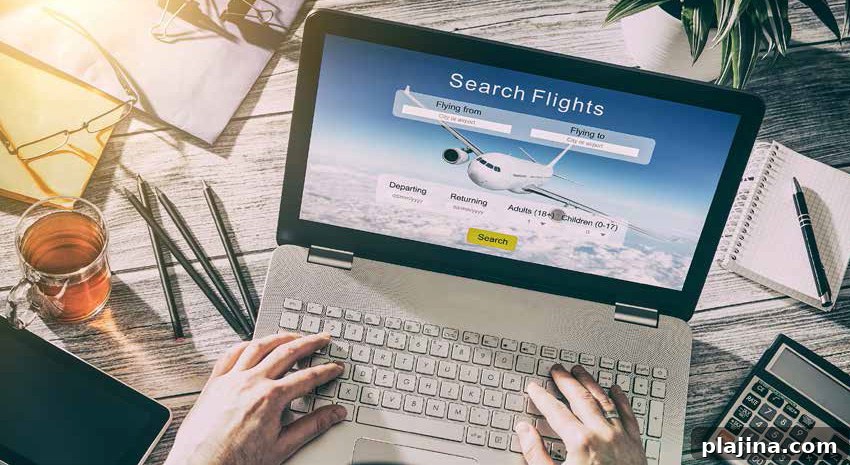
Whether traveling with a corporate travel manager or arranging everything personally, business travel presents challenges. Booking flights and hotels, sticking to corporate budgets, reporting expenses, arranging ground transportation, reserving client dinners and preparing for emergencies all require attention. Yet doing your own travel also offers freedom: you can extend a trip into leisure, choose your preferred carriers and loyalty programs, and tailor each itinerary to your priorities.
Emerging travel technologies simplify much of this work. Mobile apps enable seamless booking, paperless expense reporting, mobile payment and digital room access. Travelers favor brands that invest in modern tech—fast, free Wi‑Fi; voice‑activated room features; and mobile check-in and key systems all increase convenience and appeal to frequent business travelers.
Self-service tools are increasingly popular. A foundation study from the business travel sector found strong interest in self-service technology, with nearly 80 percent of U.S. business travelers expressing high engagement. Personalized tools that tailor information and offers to individual needs are especially valued, and many travelers are willing to share personal preferences if it improves their experience. Frequently used apps help manage flights—booking, updates and boarding passes—and mobile payment tools remain a top priority.
The sharing economy has become a natural fit for travelers who manage their own itineraries. Ride‑hailing services like Uber and Lyft are often preferred over taxis or rental cars, and their rise has contributed to a decline in demand for traditional premium car hires. Similarly, alternative accommodations such as short‑term rentals appeal to certain industries, particularly tech and academia. In cities like San Francisco and London, business travelers have increasingly chosen short‑term rentals over hotels for convenience and local flavor.
Technology and new service models are important, but human considerations still matter. Many business travelers want to combine work with leisure—bleisure travel—or bring family along to ease the strain between work and home life. Interestingly, millennials, despite traveling more, are also the group most likely to report that business travel can conflict with family life.
Combining business and leisure travel with family © NICOELNINO | DREAMSTIME.COM
Bleisure options are expanding, and they may explain some growth in short‑term rental usage. Staying outside traditional hotel districts can make it easier to switch from work mode to leisure—exploring residential neighborhoods, local dining and cultural attractions that lie beyond downtown business centers.
Brands are responding. Some travel companies coin new terms and packages that blend work and adventure for travelers who seek spontaneity and local experiences. Rental car firms and other service providers are beginning to view bleisure travelers as a valuable market segment with untapped potential.
Overall, business travel is shifting away from one‑size‑fits‑all itineraries toward personalized, flexible experiences that serve both company goals and traveler well‑being. These trends—bleisure travel, advanced mobile services, and sharing‑economy options—solve longstanding pain points while opening new opportunities. They attract a growing generation of travelers who expect convenience, customization and meaningful experiences. In short, managing business travel today is easier, more rewarding and more in tune with the people who travel.