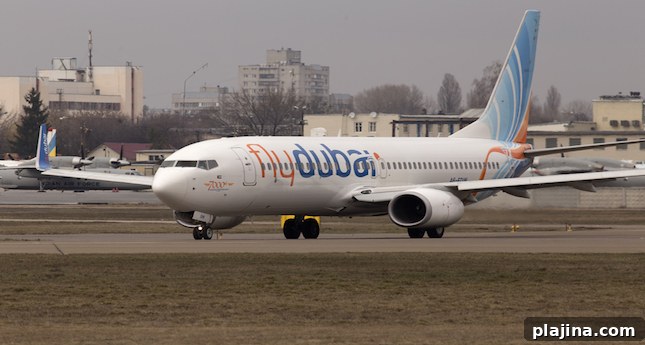
Flydubai Flight FZ981 crashed on Saturday near Rostov-on-Don, Russia, resulting in the loss of all 62 people on board. In the days following the accident, former and current employees of the carrier have come forward with claims that crew rostering and fatigue were persistent problems at the airline. They assert that crews were frequently overworked and given insufficient rest between duties, creating conditions in which operational mistakes and safety lapses could occur.
Multiple sources speaking about airline practices described schedules that left pilots with too few consecutive rest days and with duty patterns that could interfere with sleep cycles. Several former employees said these scheduling pressures produced chronic sleep deprivation among cockpit crews. A number of them went further to allege that some pilots had fallen asleep during flights on prior occasions.
Sources say some pilots attempted to raise concerns about fatigue, scheduling and workload with management, but felt their reports were dismissed or not treated with the urgency required for safety-critical issues. A few employees described their complaints being ignored, while others said they were met with skepticism or even ridicule. One of the pilots involved in the Rostov flight had reportedly submitted his resignation in recent weeks, citing the roster and rest problems as a primary reason for leaving.
Russian investigators recovered a cockpit voice recorder from the wreckage. Officials have cautioned that the device is damaged and that extracting usable data could take several weeks. Alongside work to download and analyze any available recorder contents, investigators are also examining meteorological conditions at the time of the accident; initial reports indicate that adverse weather may have been a factor.
Investigations of air accidents typically review multiple contributing factors, including crew training and fatigue, aircraft maintenance, air traffic control interactions, and weather. If fatigue played a role in this accident, accident investigators will consider how rostering, duty-time limits and rest periods were managed, whether company procedures were followed, and whether fatigue risk management systems were effective. Airline operations are governed by regulatory frameworks designed to mitigate fatigue, and investigators look at whether those rules were observed and enforced, and whether company practices complied with both regulatory requirements and international best practices.
Employees and safety experts note that fatigue is a well-known hazard in aviation and that airlines must actively manage risk through transparent reporting, effective rostering systems, and a company culture that encourages raising safety concerns without fear of retaliation. Where employees report being discouraged from reporting safety issues, regulators and investigators may examine the airline’s safety culture as part of the broader inquiry.
At this stage, authorities have not released conclusive findings on the cause of the accident. Recovery of flight recorders and their analysis, interviews with crew schedules and company records, and reconstruction of the sequence of events will inform the final conclusions. Family members of those lost and colleagues of the flight crew are continuing to press for answers about operational practices and whether systemic issues contributed to the tragedy.
As the investigation continues, aviation authorities and independent safety experts will assess the available evidence to determine contributing causes and recommend any changes needed to prevent similar accidents. Check back for updates as investigators release new information and official findings become available.