
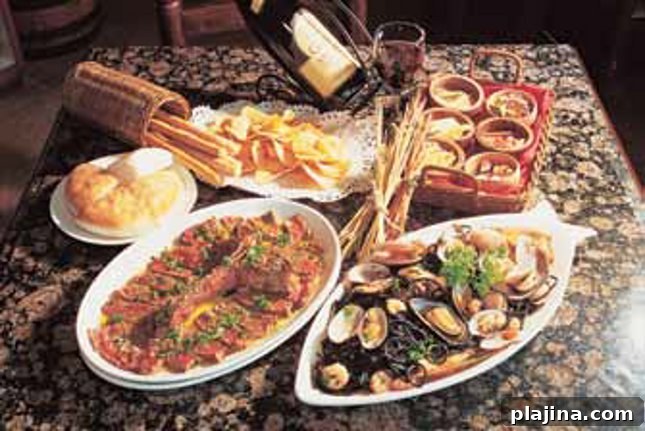
The saying goes, “The way to someone’s heart is through the stomach.” To truly understand Macau, taste its cuisine. Considered one of the earliest examples of Asian fusion, Macau’s food traditions began in the early 19th century when Portuguese and Chinese cultures started exchanging ingredients and techniques. Portuguese traders and settlers also introduced flavors and recipes gathered from South America, Africa and India, creating a distinctive culinary blend.
Few cities offer such a dense variety of dining options to suit different palates and budgets. For decades visitors have come to Macau for excellent dim sum and authentic Portuguese dishes like bacalhau. Today those classics remain, alongside local specialties and inventive fusion plates. Macau’s most celebrated dish is African chicken. According to tradition, Portuguese sailors from Angola and Mozambique shared recipes and ideas that local chefs adapted using available ingredients, producing a uniquely Macanese version of the dish.
Strolling Macau’s streets, you’ll find an impressive range of restaurants: Chinese, Portuguese and Macanese establishments stand beside Thai, Malay, Japanese and Brazilian eateries. This culinary diversity has drawn international attention, including the Michelin Guide. In its edition covering Hong Kong and Macau, the guide lists dozens of notable establishments from Macau.
Desserts in Macau are equally memorable. Portuguese egg tarts are the city’s most famous snack: a flaky, buttery pastry filled with a creamy custard that has a lightly caramelized top. They’re best enjoyed fresh from the oven. Popular purveyors include long-established bakeries in Coloane Village and historic cafés across the city. Other local sweets include two-layer milk curd, sold at dessert shops near Senado Square and along Avenida Almeida Ribeiro, and almond cookies that perfume the air on Rua do Cunha near the Ruins of St. Paul’s.
Travelers interested in learning more about Macanese cuisine can find courses and tastings offered by the Institute for Tourism Studies, which showcases authentic local fare in its training restaurant. Additional culinary hotspots are clustered throughout the city: the Inner Harbor area near A-Ma Temple and the Maritime Museum, Taipa Island with its bustling food streets, and Coloane Island, known for traditional Cantonese offerings.
Located on the southeast coast of China, Macau is easily reached from Hong Kong by a 50-minute high-speed ferry. The city’s character reflects nearly 500 years of East–West interaction: Portuguese-style piazzas sit alongside Buddhist temples, pastel-colored villas contrast with classical Chinese gardens, and cobbled lanes feed into lively market streets. These cultural layers are visible in Macau’s architecture, festivals and, most deliciously, its food.