
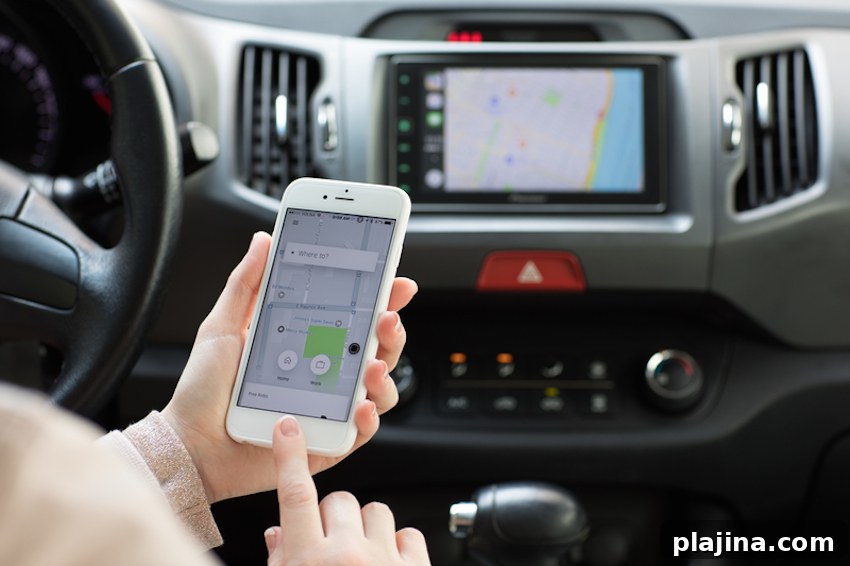
Uber is exploring technology to help drivers identify potentially intoxicated passengers and reduce the risk of unruly behavior.
The company has filed a patent for an artificial intelligence system designed to detect patterns commonly associated with intoxication. The system would analyze signals such as frequent typos when using the app, the time of the ride request, how far a passenger walked before requesting a ride, and how long it takes a passenger to summon a vehicle.
When the system detects a combination of these behaviors, it could alert drivers or match the ride request only to drivers who have received special training for handling intoxicated passengers. The technology could also prevent intoxicated users from joining shared rides with strangers, limiting exposure for both drivers and other riders.
The push for this technology stems from numerous reports of altercations between drivers and passengers under the influence, as documented in police records. By identifying higher-risk trips in advance, the system aims to improve driver safety and reduce the likelihood of incidents.
Some drivers have suggested compensation for handling intoxicated riders. “It would be cool if drivers got extra money for picking up drunk passengers. It’s not a big deal, but it definitely gets old after about the 25th time,” said Harry Campbell, author of The RideShare Guy blog.
Privacy and accuracy will be important considerations for any deployment of such a system. An effective solution would need to balance protecting drivers and riders while avoiding false accusations or intrusive monitoring. Proper training for drivers flagged to accept these trips would also be necessary to ensure safety and de-escalation skills are in place.
If implemented carefully, the AI could help reduce confrontations and improve the overall safety of rideshare trips by proactively identifying situations that may require extra caution or support. However, details about how Uber plans to address privacy, opt-in policies, and safeguards were not specified in the patent filing.