
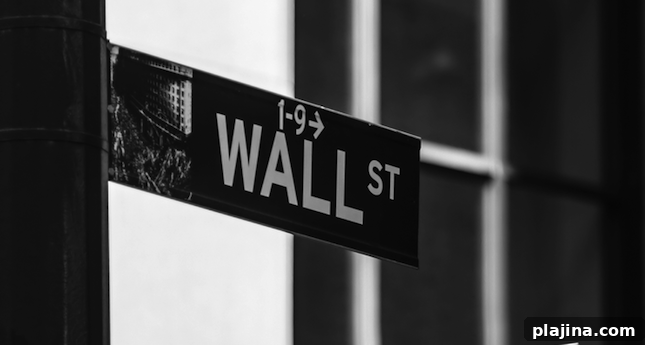
No matter how chaotic politics may feel today, it is hard to picture a gun duel taking place on Wall Street. Yet that is exactly what occurred on July 11, 1804, when long‑standing hostility between Aaron Burr and Alexander Hamilton ended in a deadly confrontation. This dramatic episode is just one of the many New York stories that Wall Street Walks shares on its guided tours of downtown Manhattan.
“People who assume Wall Street is only about the latest leveraged buyout are often surprised to learn about the colorful characters who lived and worked here. That’s what our tour focuses on,” said Annaline Dinkelmann, owner of Wall Street Walks. “Downtown is where New York City began, so it’s packed with fascinating history. We bring guests to the very locations where these events unfolded.”
The tour traces the varied lives, events, and transformations of downtown New York from its origins as New Amsterdam to the modern metropolis it has become. Many of the narratives highlight food and drink connections, reflecting a time when the wealthy and the poor, the powerful and the dubious, all gathered at neighborhood taverns for a meal, a drink, and often, a bit of drama. The route includes visits to two historic taverns that remain open today: Fraunces Tavern and The White Horse Tavern.
Throughout the walk, guides connect architecture, commerce, and personal stories to create a lively portrait of downtown life across centuries. From colonial markets and maritime trade to early financial institutions and immigrant neighborhoods, each stop reveals how layers of history built the city’s character. Rather than a dry chronology, the tour emphasizes human moments: rivalries, romances, scandals, and everyday routines that shaped New York’s evolution.
Food and tavern culture play a recurring role in these tales. Taverns served as hubs for socializing, business deals, political debate, and entertainment. They were places where news spread, alliances formed, and conflicts ignited—sometimes with dramatic consequences, as in the Burr‑Hamilton duel. Visiting historic taverns offers a tangible sense of continuity, showing how public gathering places have long influenced civic life.
Architectural details and surviving landmarks help visitors visualize past scenes. Guides point out façades, plaques, and preserved interiors while explaining how buildings were adapted over time. The walk highlights how commerce shifted from maritime trade and local merchants to financial institutions and global markets, and how those economic changes reshaped streets, businesses, and daily routines.
Local anecdotes enliven the narrative: merchants who became traders, sailors who settled ashore, shopkeepers who hosted clandestine meetings, and ordinary residents whose lives intersected with larger historical currents. These stories emphasize that downtown’s history is not only about famous figures, but also about everyday people whose actions and choices created the city’s texture.
Wall Street Walks aims to make history accessible and engaging for a wide audience. Tours are designed for visitors who want context for what they see when walking through downtown Manhattan—connecting present landmarks with their historical roots. Whether listeners are history buffs, food lovers, or curious tourists, the walk offers layered perspectives that reveal how past events continue to resonate in the city’s architecture and culture.
By combining narrative storytelling, visual clues in the streetscape, and stops at longstanding establishments, the tour paints a vivid, human‑centered picture of downtown New York. It shows that the financial district’s polished exteriors rest on centuries of personal dramas, public debates, and everyday life—reminding visitors that behind the modern skyline lie countless stories waiting to be discovered.