
For decades I have followed the Habsburgs across Europe through their wide-ranging and occasionally peculiar private collections, assembled over a nearly 700-year reign that ended in 1918. Their taste for the unusual has long fascinated me — and it clearly resonates with filmmaker Wes Anderson, which adds extra delight for many viewers.
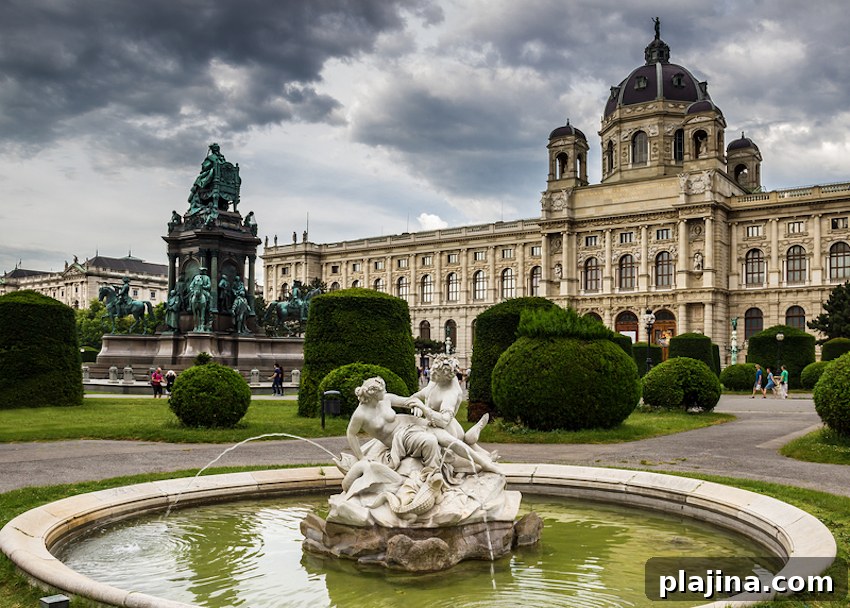
In Vienna, that fascination can be explored at the Kunsthistorisches Museum with the exhibition “Spitzmaus Mummy in a Coffin and Other Treasures.” Drawn from the museum’s collections and storerooms — including many items from the Habsburgs’ former private stores — the selection was curated by Anderson and his collaborator, costume designer Juman Malouf. The exhibition, on view through April 28, 2019, presents objects with Anderson’s signature visual precision and playful touch, echoing the aesthetic seen in his films such as The Life Aquatic with Steve Zissou, Fantastic Mr. Fox, The Grand Budapest Hotel and Isle of Dogs.
After its run in Vienna, the exhibition will be shown briefly at the Fondazione Prada in Milan before its final closure.
Also at the Kunsthistorisches Museum is a major exhibition dedicated to 16th-century Dutch master Pieter Bruegel the Elder. “Pieter Bruegel: Once in a Lifetime” runs until January 13, 2019, and represents the first large-scale monographic exhibition of the artist. It brings together nearly half of Bruegel’s surviving oeuvre — approximately 60 drawings, 80 prints and 40 paintings — many of which are on loan and traveling for the first time because of their fragility. The show coincides with the approaching 450th anniversary of Bruegel’s death and has a natural home in Vienna: almost a third of his works already belong to the Kunsthistorisches Museum’s permanent holdings.
Bruegel is recognized for his keen observational eye and sharp social commentary. His scenes are densely detailed compositions that tell stories about everyday life in his era, often satirizing contemporary social habits and customs. Highlights included in the exhibition feature iconic works such as The Tower of Babel, The Gloomy Day and Two Monkeys, offering visitors a rare opportunity to study the artist’s narrative complexity and technical mastery up close.