
The successful Netflix series Bridgerton captured global attention with its lush romance, lavish costumes and evocative score, but the sweeping estates and historic houses used for filming also played a crucial role in bringing Regency-era England to life. For viewers who want to step into the world of the Ton and explore the authentic locations featured on screen, several preserved houses, museums and gardens across England are open to visitors and offer memorable encounters with period architecture, art and landscape.
© Beataaldridge | Dreamstime.com
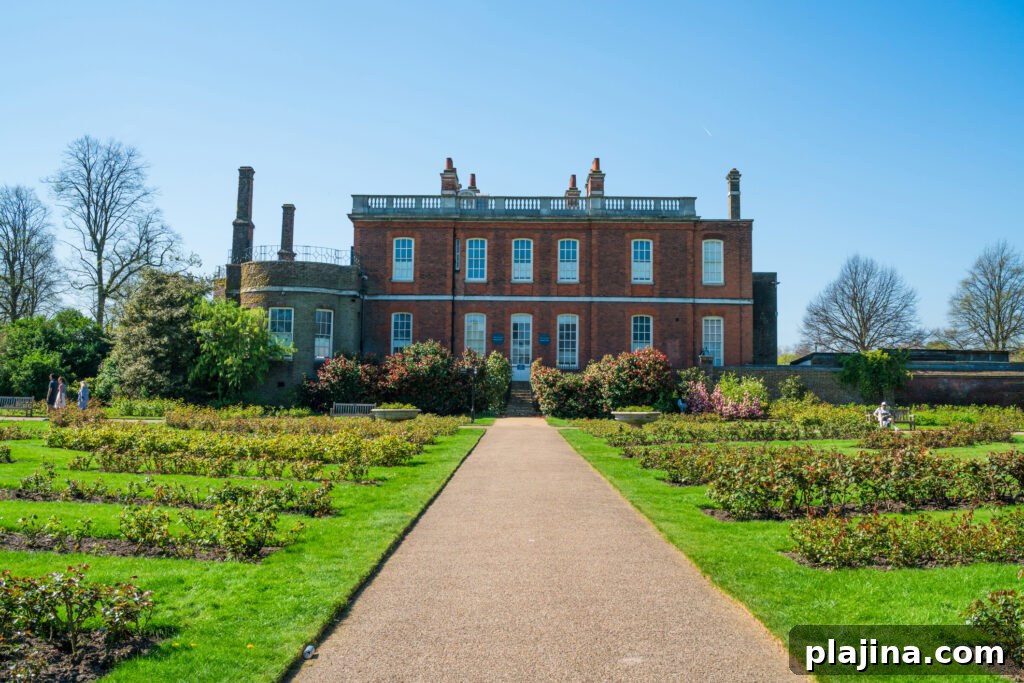
Ranger’s House, London (Bridgerton house)
Perched beside Greenwich Park in southeast London, Ranger’s House is an early-18th-century residence that has housed notable figures over the centuries and later served civic uses such as tea rooms and recreational facilities. Today it accommodates the Wernher Collection, a varied assemblage of more than 700 fine and decorative art objects spanning antiquity to the 19th century. The house is open to visitors by ticket, which can be purchased in advance or on arrival, and offers a tangible sense of the period interiors and decorative detail seen in the series.
Badminton Estate, Gloucestershire (Duke of Hastings’ home)
The Badminton Estate, home to the Duke and Duchess of Beaufort, is a grand country seat offering a range of visitor experiences. Private guided tours for groups let guests explore ground-floor state rooms, historic paintings and architectural features; these tours typically require a minimum group size and a modest fee. There are also dedicated garden tours that focus on the historic landscape, plantings and garden maintenance, often concluding with traditional tea and cake in the Old Hall. Bookings are handled directly by the estate office via email for confirmed dates and group arrangements.
© Wirestock | Dreamstime.com
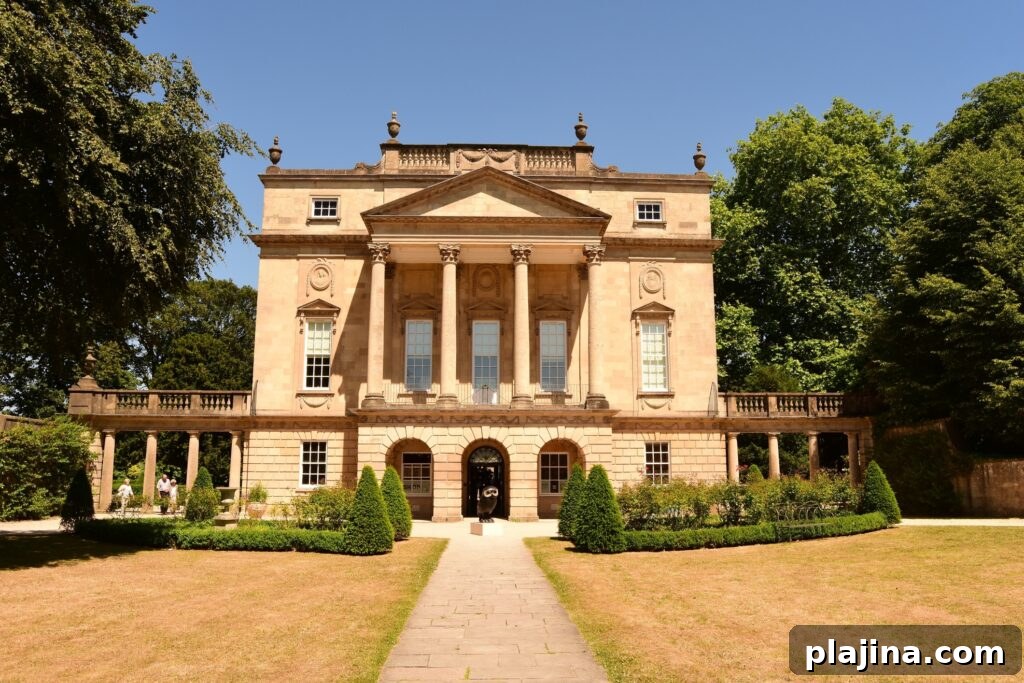
Holburne Museum, Bath (exterior of Lady Danbury’s house)
Bath’s Holburne Museum, the city’s first public art gallery, traces its collections to the 19th century and continues to present a varied program of permanent and temporary exhibitions. Since a major reopening, the museum offers modern visitor facilities, a café and frequent displays that highlight decorative and fine art. Admission is charged for entry to exhibitions, and the museum sits adjacent to Sydney Gardens, a historic public park that preserves the landscaped setting once enjoyed by Georgian visitors to Bath.
Wrotham Park, Hertfordshire (Aubrey Hall)
Just a short drive from central London, Wrotham Park is an 18th-century country estate set across more than 2,500 acres of parkland. The house predominantly hosts private events such as weddings and large corporate gatherings, but it also participates in limited public open-house events and guided tours on selected dates. Those wishing to visit should check announced tour dates and book early, as opportunities to see the interiors are scheduled infrequently and fill quickly.
© Simon Edge | Dreamstime.com
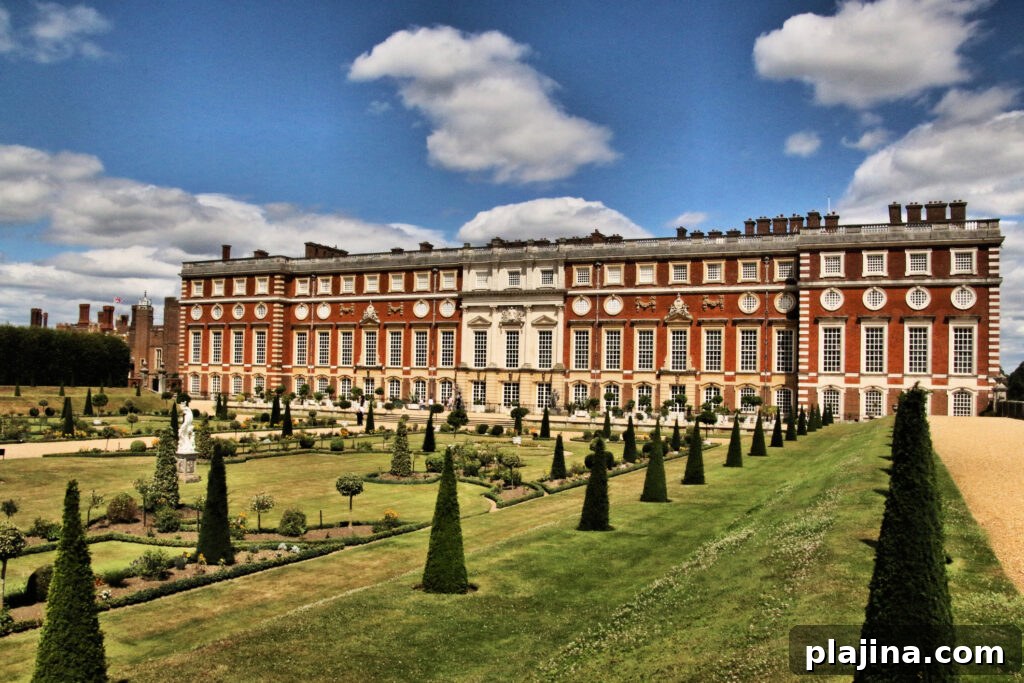
Hampton Court Palace, London (gardens and palace scenes)
Hampton Court Palace, long associated with Henry VIII and the Tudor court, remains one of England’s most evocative royal sites. Visitors can explore magnificent interiors, expansive formal gardens, a historic maze, a Tudor tennis court and impressive works from the Royal Collection. The palace charges an admission fee for full access to the house and grounds, and its well-preserved architecture and landscaped spaces make it an ideal destination for anyone intrigued by the grandeur and pageantry you see in period drama productions.
These historic locations not only provided authentic backdrops for Bridgerton but also invite visitors to experience centuries of British art, architecture and landscape design. Whether you prefer a museum visit, a formal garden walk or a guided tour through a stately home, each site offers a unique window into the material culture and settings that inspired the series’ romantic vision of Regency society.