
One by one I slipped off my sandals and let my toes sink into the cool, lush lawn stretching from the patio of the Cloudy Bay tasting room toward sun-ripened vineyards in the distance. Although it was my first time in New Zealand, everything around me felt instantly familiar.
The air carried scents that recalled long afternoons laughing with friends and sipping chilled white wine at summer barbecues back home. Cloudy Bay’s Sauvignon Blanc had long been my go-to for entertaining on the patio, which is why I’d crossed the globe to explore this iconic wine region. Standing there, I could almost taste the wine’s bright acidity and subtle minerality as I soaked in the landscape.
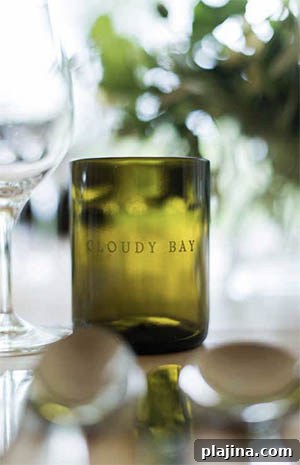
A Cloudy Bay glass © KIERAN SCOTT
As if on cue, a waiter emerged from the tasting room with a chilled bottle of the vineyard’s latest vintage and offered me a fresh glass. Each sip anchored me more firmly in the present: the wine’s crispness and minerality unfolding and lingering like the late afternoon light over the vines. Drinking a wine where it was produced felt revelatory, as though the place itself were being poured into my glass.
The French coined the term terroir to describe how soil, climate and other environmental factors shape a wine. Yet it was in New Zealand, standing among the vines, that I truly understood what terroir means—how travel and tasting together create a deeper connection to a place.
Today, more than 10,000 grape varieties are grown across 70-plus countries, each variety and region telling its own story. Visiting wine regions remains one of the best ways to deepen appreciation for wine: tasting in situ reveals context, tradition and the local rhythms that shape each bottle.
“Wine is a part of social life in every country,” says Natia Khidasheli, cofounder and director of Caucasus Journey–Traveler’s Club and a food and wine guide in Tbilisi, Georgia. “It reflects the development and culture of a society. Visiting wine regions is the best way for a wine lover to explore ethnology, culture and lifestyle. In Georgia, cultural, culinary and wine tourism are inseparable—together they form the Georgian way of life.”
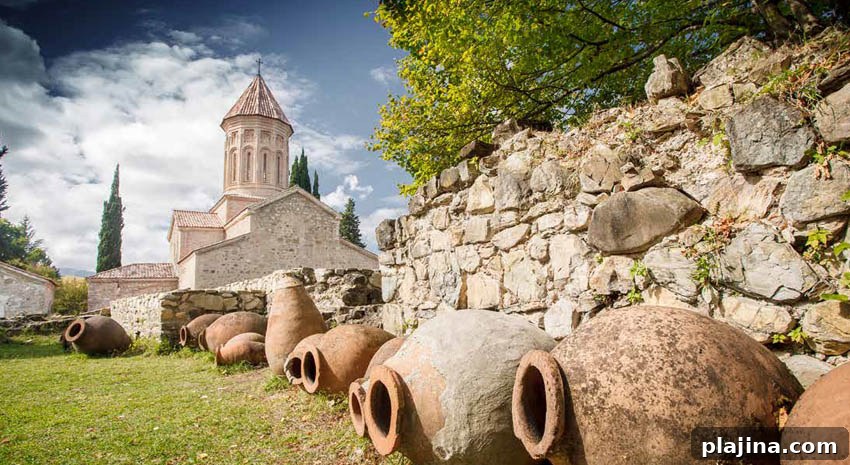
Khidasheli’s experience mirrors Georgia’s long-standing relationship with wine. Often called the birthplace of wine, Georgia contains archaeological evidence of winemaking dating back to the sixth millennium B.C. Many local wineries still use qvevri—large clay amphorae buried underground—to ferment and age wine in the traditional style, offering visitors a direct link to ancient techniques.
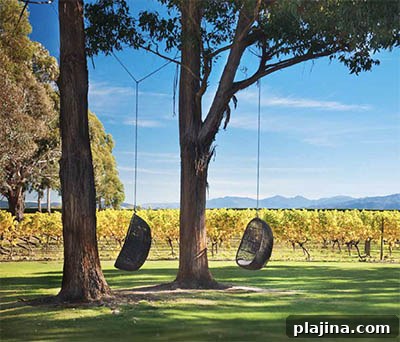
Swings at Cloudy Bay Vineyards in New Zealand © CLOUDY BAY
Italy’s Tuscany offers a different kind of immersion. At Castello di Casole, a restored 10th-century castle that is now a Timbers Resort, guests can sleep among the vines, cycle through more than 100 acres of organic vineyards planted with Sangiovese, Petit Verdot and Cabernet, and return to the castle for guided tastings of Tuscan and Super Tuscan wines led by an on-site sommelier. The architecture, food and landscape combine to present Tuscany’s wine culture as a full sensory experience.
France remains a mecca for wine lovers. Regions like Bordeaux, Champagne, Burgundy and Provence are vast and varied enough to occupy a lifetime of tasting. Burgundy’s Pinot Noirs and Bordeaux’s powerful blends reward those seeking depth and history, while Provence’s rosés and Champagne’s cellar tours reveal different facets of French winemaking—each region shaped by its own soils, techniques and traditions.
In Spain, La Rioja’s medieval villages and vineyard-covered hills showcase a rich vinous heritage. Wineries such as CUNE, López de Heredia Viña Tondonia, Bodegas Roda and Marqués de Riscal offer classic Rioja expressions. The region also hosts lively traditions like the Haro Wine Festival every June 29, where participants re-enact the historic Batalla del Vino by playfully dousing one another in wine—a joyful blend of culture, pageantry and local flavor.
Germany’s wine route, the Weinstrasse, reveals a different, intimate side of European winemaking. Small estates such as Weingut Bergdolt-Reif & Nett in the village of Duttweiler welcome visitors for tastings and participatory experiences like grape stomping, delivering hands-on lessons in regional practices and hospitality.
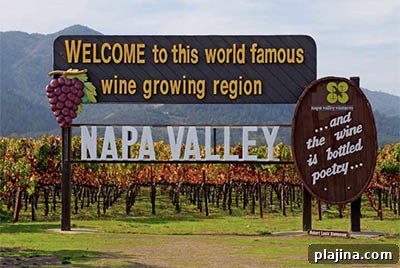
A sign welcomes visitors to Napa Valley © PHOTOQUEST | DREAMSTIME.COM
Across the Americas, New World wines stretch from Argentina to Canada. Mendoza’s high-altitude Malbecs draw many visitors, but for a clear sense of wine’s regional impact, Napa Valley stands out. There, wine is woven into the local economy and culture: restaurants, tourism and the arts all reflect the region’s vinous focus.
“Where I live, wine is the driving economic force,” says Matt Stamp, master sommelier and co-owner of Compline Wine Bar in Napa Valley. “Everyone is connected to wine—suppliers, sellers and many support industries. Being surrounded by wine elevates culture, dining and other arts. Younger generations are embracing wine earlier, and that fuels interest in visiting wine-producing regions. Touring Napa—or any place that takes wine seriously—is enriching and rewarding.”
Wine can transport the taster, conjuring distant places through aroma, texture and flavor. Visiting major wine regions lets you experience those places more fully: the landscapes, the people, the food and the rituals behind each bottle. These journeys remind us that memorable moments are as essential as the scenery and the wine itself.