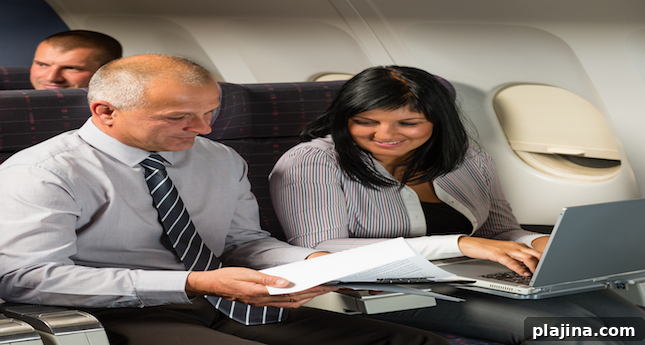
It’s a frequent frustration for travelers: the plane advertises in-flight WiFi, but the connection is slow or unreliable, whether you’re checking email, browsing websites, or trying to stream a movie. That disappointment is understandable when the service is free, and even more frustrating when passengers have paid for access.
The leading provider of in-flight internet, Gogo, plans to dramatically improve speeds by shifting to satellite-based connectivity. The company recently received approval from the Federal Aviation Administration to roll out its new 2Ku system.
Until now, Gogo relied primarily on an air-to-ground network that connected through cell towers on the ground. The 2Ku design instead uses satellites and separates downlink and uplink signals, which increases available bandwidth and improves performance for many simultaneous users.
Gogo describes the system’s antennas as creating a directed beam by mechanically rotating internal plates, rather than aiming a fixed antenna directly at a satellite. This approach allows reliable satellite communication while mounted on moving aircraft.
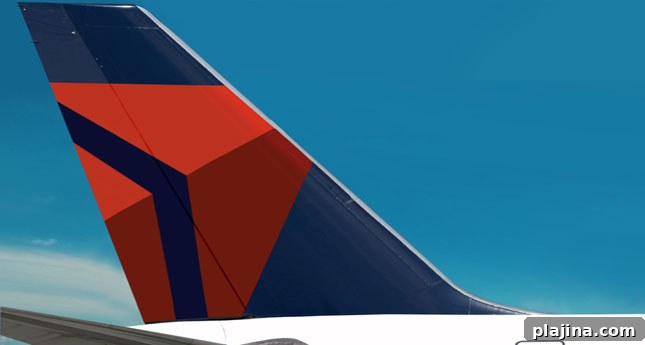
Airlines are already lining up to adopt 2Ku. Aeromexico and Virgin Atlantic have committed to the upgrade, and several additional carriers planned to add the service in 2017. Delta Air Lines, for example, committed to equipping more than 250 aircraft with the new system.
“We are extremely excited by the progress we’ve made in bringing this technology to market,” said Anand Chari, Gogo’s chief technology officer.
As airlines deploy satellite-based WiFi, passengers should expect faster, more consistent internet access on many long-haul and transcontinental flights. That will enable smoother web browsing, better video streaming, and improved connectivity for business and leisure travelers alike.