
Amadeus and InterContinental Hotels Group recently released a report outlining the future of hospitality and highlighting bespoke guestrooms as a major trend. The study finds travelers increasingly want choices beyond the traditional single, double or twin room, including the ability to book a room for shorter, flexible durations rather than only overnight stays.
Bespoke guestrooms could let guests select furnishings and amenities tailored to their needs—for example, a room outfitted with workout equipment instead of a dedicated work desk, or rooms chosen specifically for their view. This customization extends to how guests plan and experience their stay, giving them more control over both time and content of the room they reserve.
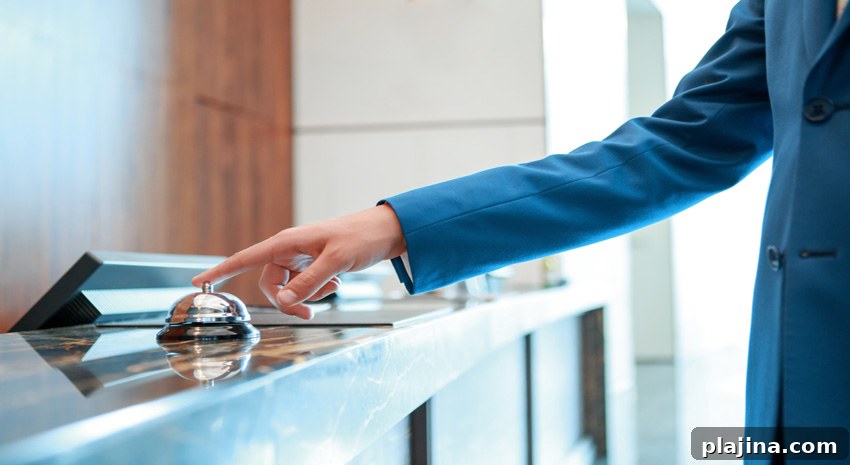
The report also emphasizes the need for hotels to balance automation with human interaction. While technology can streamline services—through real-time translation, concierge apps and other tools—nearly 70 percent of guests still prefer human contact for its emotional and personal dimension. The most effective approach combines efficient digital tools with warm, attentive staff to deliver memorable service.
Another area under reconsideration is hotel loyalty programs. To remain relevant, programs must deliver tangible value, create memorable experiences and offer pleasant surprises. Personal attention and genuinely personalized service are seen as key factors that differentiate successful loyalty schemes in a shifting travel landscape.
Industry leaders quoted in the report underline these shifts. Chris K. Anderson, director of the Center for Hospitality Research at Cornell University, notes that guests are seeking deeper, more individual relationships and seamless experiences with their hospitality providers—and are increasingly willing to share data and insights to achieve those outcomes.
George Turner, chief commercial and technology officer at IHG, adds that modern travel expectations are growing more complex and sophisticated. He points out that evolving consumer behavior and smarter technology are expanding what hotels can deliver, challenging the industry to innovate while preserving the human touch.
Overall, the report suggests the hospitality industry is entering a new phase where flexibility, personalization and the right mix of technology and human service will define success. Hotels that adopt bespoke room options, rethink loyalty offerings and thoughtfully integrate automation alongside empathetic staff are best positioned to meet evolving guest expectations.