
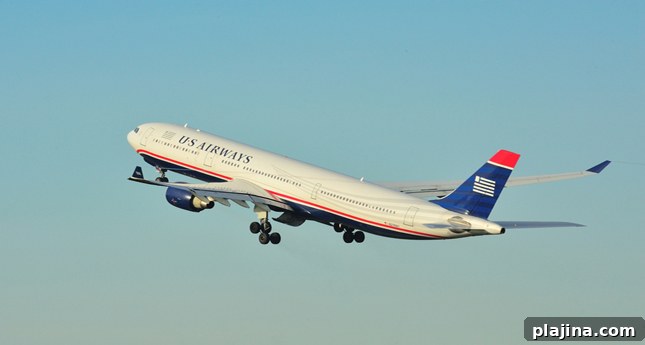
American Airlines and US Airways are beginning a three-month process to merge their reservation systems, a key step toward combining the two carriers into one unified airline. The migration starts this weekend and represents a significant milestone in retiring the US Airways brand and fully integrating operations, technology and customer-facing systems under the American Airlines name.
The transition is scheduled to culminate on Oct. 17. According to the airline’s plan, the final flight operated under the US Airways brand is expected to be Flight 434, a red-eye departing San Francisco around 10 p.m. on Oct. 16 and arriving in Philadelphia at approximately 6 a.m. on Oct. 17. After that point, reservations and flight records will reflect the American Airlines identity as the two companies operate from a single reservations platform.
“We’re going to be one airline for our customers,” said Maya Liebman, chief information officer at American Airlines. The consolidation of reservation systems is intended to simplify the travel experience by creating consistent booking, check-in and customer service processes across the combined network. By using a single system, the airline expects to reduce confusion for passengers, improve operational coordination and streamline internal workflows for staff.
Beginning July 18, any flight booked for travel on or after Oct. 17 will appear in the reservations system as an American Airlines flight. That change applies even when the booking is made on usairways.com. Tickets, itineraries and confirmations issued for travel on or after the cutover date will carry the American Airlines flight identifiers, regardless of which website or booking channel was used to make the reservation.
Moving two large legacy reservation platforms into one system is a complex undertaking. The airlines have staged the migration over several months to minimize disruption, with detailed testing and contingency plans in place. Customers are being notified of the timeline and what to expect during the transition. The phased approach aims to preserve booked travel, loyalty account information and other passenger data while shifting the technical framework that supports bookings, check-in, and flight operations.
For travelers, the most visible changes will include updated flight numbers, new itineraries and revised customer notifications reflecting the American Airlines brand. Many practical aspects of travel—such as boarding passes and airport signage—will progressively transition to a single brand identity. Customers with existing reservations for travel on or after Oct. 17 should review confirmation emails and ticket information to verify flight details and to confirm that their itineraries have been updated correctly in the new system.
Loyalty program members will also see changes as award travel, accruals and account activity migrate into a unified frequent flyer structure. The airlines have committed to preserving member benefits and account balances as part of the integration. Passengers with questions about how their mileage balances, elite status, or booked awards will be affected are encouraged to contact the airline’s customer service channels for clarification prior to travel.
From an operational standpoint, a merged reservations system supports improved schedule coordination, aircraft and crew planning, and disruptions management by consolidating data and timelines into a single authoritative source. This consolidation should yield more reliable connections and a smoother experience during irregular operations, although the initial migration period requires careful monitoring to address any issues promptly.
As the companies transition to one reservations platform, employees across both organizations are receiving training and support to work within the consolidated system. Ground staff, call center agents, gate agents and crew members must be familiar with the new procedures and tools so they can assist customers effectively during the changeover.
The move to a single reservations system is one of many integration activities required to combine two major carriers. While the reservation cutover is a visible and customer-facing milestone, other elements—such as fleet integration, route rationalization and regulatory approvals—are ongoing and will continue beyond the reservations migration.
Customers planning travel around the Oct. 17 timeframe should monitor communications from the airline, verify their itineraries, and allow additional time at the airport during the initial days following the reservations migration. The airlines have emphasized their commitment to a seamless transition and to maintaining continuity of service as they complete this important step toward operating as a single airline under the American Airlines brand.