
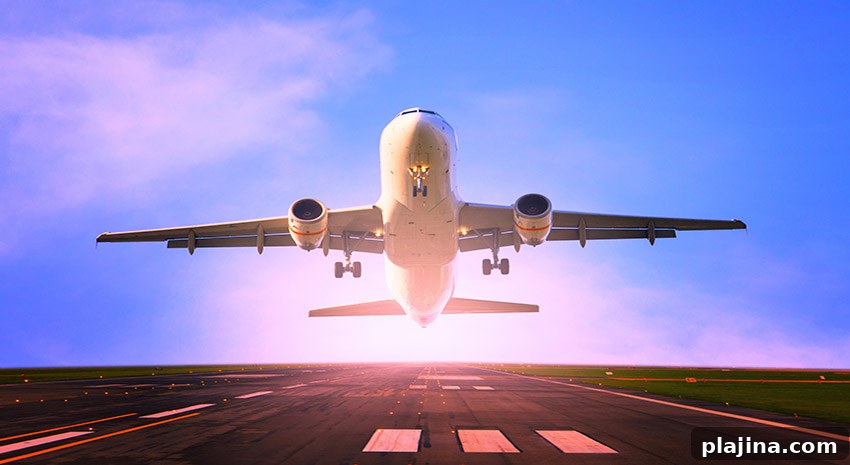
Pilotless planes may become more reality sooner than many expect — would you board one?
Research from UBS suggests that a shift to pilotless commercial flights could save the aviation industry billions annually. Their report estimates that eliminating traditional human pilots could reduce costs by up to $35 billion per year. Despite the potential savings, public acceptance remains limited: only 54 percent of people overall said they would agree to fly on a pilotless aircraft, and acceptance drops to just 17 percent among travelers from the United States, United Kingdom, France, Germany and Australia.
“The technologies in development today will enable the aircraft to assist and back up the pilot in all flight phases, removing the pilot from manual control and systems operations in all types of situations,” the UBS report states.
Although the underlying technology is progressing, widespread adoption faces significant hurdles and will take time. Remote-controlled aircraft could be feasible by around 2025, but fully automated commercial flights are not expected before the 2030s. Beyond technical development, the industry would need to address legal and regulatory barriers, and would likely face resistance from pilot unions and other stakeholders.
At present, pilots manually fly aircraft for only brief periods and spend much of the flight monitoring and managing automated systems. If pilotless operations were introduced, the UBS analysis suggests passengers in the United States could see ticket prices fall by about 11 percent, reflecting lower operational and labor costs.
Another driver for considering pilotless technology is the expected shortage of qualified pilots. Airlines are preparing to replace a large cohort of retiring pilots while also staffing new aircraft. Between 2017 and 2036, global commercial and cargo carriers are projected to need approximately 637,000 new pilots, creating strong incentives to explore automation and alternative operating models.