
This September, respected conservationist and well-known television host Jeff Corwin (known for Animal Planet’s The Jeff Corwin Experience and Corwin’s Quest) will join two Tanzania safaris organized by International Expeditions for portions of the journey. Departures are scheduled for September 7 and 10. Corwin will travel with participants in the northern Serengeti to accompany game drives and deliver on-site lectures. He will also join the groups for meals to enable one-on-one conversations and to share his expertise on conservation of endangered species and protection of natural resources.
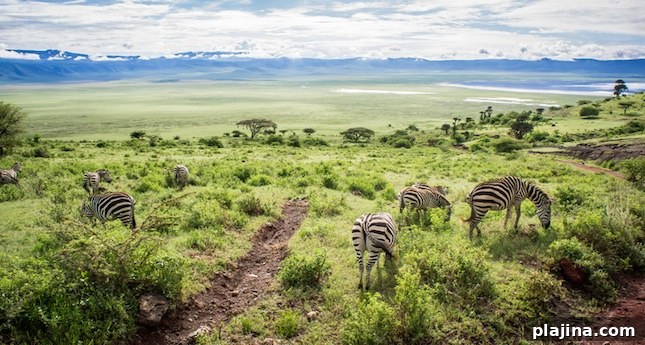
Part of International Expeditions’ Master Leaders Series, each 13-day safari explores some of East Africa’s most iconic wildlife areas, including two distinct regions of the Serengeti, Tarangire, Lake Manyara and the Ngorongoro Crater. These habitats support a rich array of wildlife such as rhino, lion, Cape buffalo, elephant and leopard, along with lesser-known species like the rhinoceros beetle, buffalo weaver, elephant shrew, leopard tortoise and ant lion. Safari activities include guided game drives led by experienced naturalists, starlight bush dinners, picnics on the Ngorongoro Crater floor, and nights spent in boutique safari lodges designed to blend comfort with a sense of place.
These safaris emphasize both wildlife viewing and conservation education. Lectures and field talks provide context about local ecosystems, species behavior, and the threats facing wildlife across East Africa, including habitat loss, poaching and human-wildlife conflict. Guests gain a deeper appreciation of conservation efforts underway by local organizations, research institutions and international partners who work to protect habitats and support sustainable community initiatives.
The Master Leaders Series brings together a roster of notable wildlife advocates and conservation experts. This season’s leaders include Joan Embery and Ron Magill, both long-time wildlife ambassadors; Alan Lieberman, a research fellow affiliated with the San Diego Zoo; and Jonathan Tourtellot, editor and journalist with National Geographic. Each leader contributes unique perspectives that enrich the safari experience, from field biology and species-specific research to conservation storytelling and public outreach.
Beyond close wildlife encounters, the itinerary balances immersive nature experiences with comfortable travel logistics. Game drives scheduled at dawn and dusk maximize wildlife viewing when animals are most active, while downtime between excursions allows for photography, journaling and guided discussions. Accommodations are selected to offer authentic safari ambience without sacrificing comfort, often featuring locally inspired design, attentive service and opportunities to engage with conservation-oriented staff.
Travelers on these departures benefit from small group sizes and expert guidance that support responsible wildlife viewing and minimize disturbance to animals and habitats. Educational components help travelers understand best practices for sustainable tourism, such as maintaining safe distances from wildlife, respecting local cultures and reducing one’s environmental footprint while traveling.
Guests interested in these September departures should prepare for varied terrain and seasonal weather; packing suggestions typically include layered clothing for cool mornings and evenings, sun protection, sturdy footwear for optional short walks, and photographic equipment for capturing wildlife observations. Prior travel experience on safari is helpful but not required—these trips are designed to be accessible to curious travelers who wish to learn and engage closely with African wildlife and conservation leaders.
Overall, these Tanzania safaris offer a combination of exceptional wildlife viewing, conservation-focused education and the opportunity to travel alongside respected leaders in the field. Participants can expect immersive experiences in some of Africa’s most celebrated landscapes while gaining practical insights into ongoing efforts to protect species and ecosystems for future generations.