
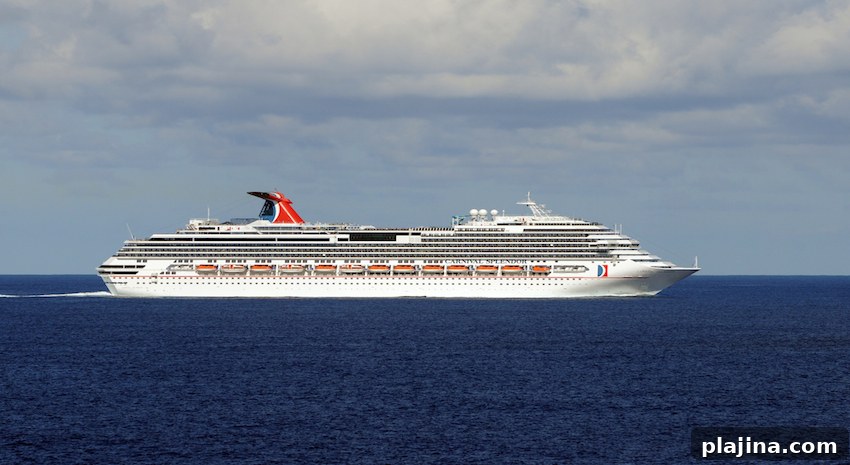
Last month marked a significant step forward for sustainable travel when Carnival Corporation began building a new class of cruise ships powered entirely by liquefied natural gas (LNG). As one of the cleanest-burning fossil fuels, LNG will supply 100% of these vessels’ onboard power under Carnival’s Green Cruising initiative. This development represents an important environmental advance for air quality and emissions reduction, making these vessels the most environmentally friendly in the company’s history.
The LNG-powered ships are part of Carnival’s broader sustainability program described on its sustainability site. As the world’s largest leisure travel company, Carnival’s commitments influence industry-wide practices. Other major lines, including Costa Cruises, Crystal Cruises and Disney Cruise Line, are also pursuing green innovations such as solar installations, expanded recycling programs and increased transparency around environmental performance.
While cruising has not traditionally been the most eco-friendly mode of travel, the industry is steadily reducing its environmental footprint through cleaner fuels, energy-efficiency measures and waste-reduction initiatives. Continued investment in technologies like LNG propulsion, shore-power connections, exhaust-cleaning systems and alternative energy sources is helping to lower emissions and improve air quality in ports and along popular routes.
These shipbuilding projects signal a shift in priorities for cruise operators who face growing regulatory pressure and traveler demand for greener options. Deploying LNG as a primary fuel source can meaningfully cut sulfur oxide and particulate emissions compared with conventional marine diesel, and when combined with other measures—advanced hull designs, optimized routing, and improved onboard energy management—overall fuel consumption and greenhouse gas intensity can decline.
Transparency and reporting are also becoming central to cruise lines’ sustainability strategies. Public sustainability platforms allow companies to share targets, progress and best practices, helping customers and stakeholders assess environmental performance. Initiatives such as recycling and waste minimization, freshwater conservation, and shore-power availability further reduce the environmental impacts of cruising.
Although challenges remain—most notably the continued reliance on fossil fuels and the complexity of measuring lifecycle impacts—the recent investments in LNG-powered ships and other green technologies reflect meaningful progress. As more operators adopt these solutions, the cumulative effect should be cleaner air in port cities and along itineraries, and a gradual reduction in the sector’s environmental footprint.
In summary, Carnival’s new LNG-powered vessels represent a tangible advance in greener cruising and contribute to a broader industry trend toward lower-emission operations. Ongoing innovation, transparency and investment will be essential for cruising to become a more sustainable travel option in the years ahead.