
I never formed an emotional attachment to my childhood sled. I didn’t name it like Charles Foster Kane, nor did I carefully preserve it as a relic of youth. For decades it sat neglected in one garden shed after another until, last summer, I used it to drag a heavy load of turf across the lawn and finally broke it.
After about 40 years of occasional service, my former winter transport was unceremoniously burned on a fall bonfire. Any resemblance to the closing image of Citizen Kane was purely coincidental. The sled smoldered to ash beneath piles of leaves and other junk.
So this winter I am sledless. Although it has been many years since I last hurtled down the steep, snowy slopes near my home, the urge to recapture that simple thrill is returning. When the snow falls I expect to watch enviously as neighborhood kids race down the hills.
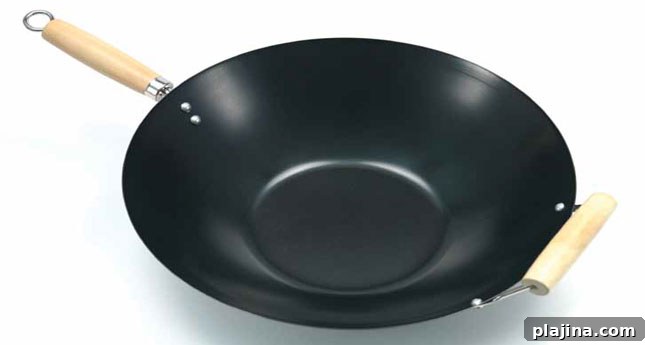
But all is not lost. News from Germany reveals there’s more than one way to go from top to bottom of a slick hill. It turns out the perfect sledding vessel may be resting in a kitchen cupboard among my pots and pans — a Chinese wok.
The official history of wok racing begins in 2003, when a German television channel had the offbeat idea of sending celebrities down a bobsled track in a kitchen wok. Unofficially, the sport probably has earlier, informal origins wherever students, woks and snow came together.
The first televised wok racing championship was an unexpected ratings hit, in part because every descent carried a real sense of danger as washed-up or aspiring celebrities launched themselves down the course. There were spills and thrills, and one notorious incident ended with the lead singer of a German techno band breaking an arm.
The next year marked the start of a remarkable run for former luge champion Georg Hackl, who won multiple world titles by racing down Innsbruck’s intimidating bobsled track with a seriousness that transcended the absurdity of his chosen vehicle. Suddenly, wok racing had become a legitimate, if eccentric, sport.
Today the annual Wok World Championship draws sponsors and competitors from across Europe. The latest event takes place on the Olympic training track at Oberhof. Most racers use purpose-built woks crafted from aluminum and polished to a mirror finish to reduce friction on the ice.
Though the idea began as a joke, the levity disappears once the races start. Bobsled runs are inherently dangerous; competitors must choose their lines and maintain perfect balance. Disaster can arrive in an instant.
In 2009, on the Winterberg track, Georg Hackl reached 65 mph. At those speeds, it hardly matters whether your ride is a sled, a luge or a cooking pan — your backside and the ice are separated by very little.
Convinced a wok could replace my broken sled, I fished mine out of the cupboard in preparation for the snowy season. But there was a problem.
Over the past few years I have used that wok for its intended purpose one or two times each week. The base is blackened from heat — easily remediable with scrubbing and a good polish. The interior is stained by the oil from countless stir-fries — also cleanable with effort.
The real obstacle is the accumulated calories from those stir-fries. Yes, I own a wok. Unfortunately, because of my eating habits, I can no longer fit inside it.