
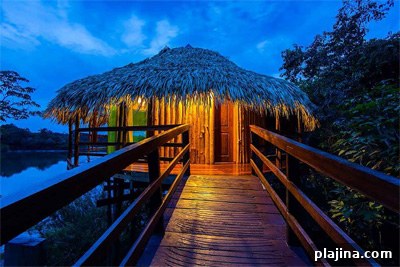
IS THERE ANYWHERE truly remote in the modern world? One place that still qualifies is Juma Lodge. For two nights at this rustic stilted hotel on a tributary of the Brazilian Amazon, our laptops and cellphones were effectively useless. With no outside distractions, we had to focus entirely on the immediate environment.
Such experiences are increasingly rare. The tether of constant communication is hard to shake. The demands of work and the wider world follow travelers almost everywhere, even into the air and across oceans. Night and day, we can usually be reached wherever we are.
There is a positive side: telecommunications have freed many people from a fixed office. Businesses now function with colleagues spread across cities and continents, and individuals can take their work with them. These digital nomads prioritize quality of life and flexibility. I’m one of them, writing these words from a café beside the Mediterranean.
I was slow to embrace what global connectivity made possible. For three decades I kept returning to a home base in England between trips, enduring poor weather and a high cost of living. In 2016 I realized I could be based elsewhere and moved to Jávea (Xàbia), a small coastal town in Spain.
Jávea wasn’t a random choice. My research showed it already offered infrastructure and services for people wanting to escape the nine-to-five routine.
Javea Business Hub, for example, is a co-working center that provides individual workspaces with high-speed internet for affordable hourly or daily rates, along with boardroom and video facilities. The hub also offers the chance to network with like-minded people.
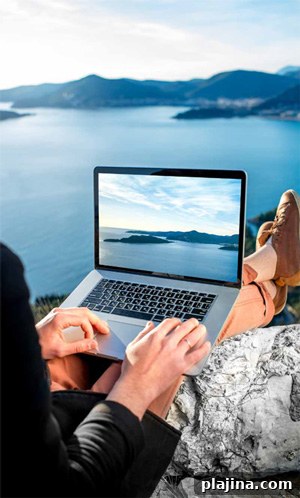
Alternatively, many waterfront cafés offer free WiFi for the price of a drink. I often work outdoors with the sea lapping the nearby pebble beach.
© ROSSHELEN | DREAMSTIME.COM
Sun and Co. takes the digital-nomad concept further: housed in a renovated 19th-century building within Jávea’s old town, it is a residential co-working community. Private rooms are available at nightly rates that become cheaper for longer stays. The house suits people who enjoy a collegiate environment, offering communal living areas, a shared kitchen and local hosts who organize social activities like bike rides and sea kayaking.
For many residents, Jávea is one stop on a longer journey, using similar facilities from Costa Rica to Thailand, Estonia to South Africa. Not every profession adapts easily to this lifestyle. Most digital nomads are self-employed in fields such as software development, web design, writing, graphic design, online English teaching or consultancy.
Early digital nomads often monetized their travel lifestyles through websites or video channels, but that market has become saturated. Businesses built solely to serve other nomads also face stiff competition. The real challenge is converting an established career into one that can operate from anywhere.
Choosing where to base yourself requires thought. Time zones affect availability: serving clients in the United States from Europe or Asia can mean working odd hours. Legal and financial matters also vary by country. What visa is required? Are there work restrictions? How will you be paid and where will you pay taxes?
One way to handle these challenges is to connect with other digital nomads for practical advice. The growing community now supports dedicated online forums and conferences. DNX runs a Digital Nomad Conference and organizes DNX Camps—multi-day meetups where digital nomads co-work and exchange experiences in destinations around the world.

© ANTONIO GUILLEM | DREAMSTIME.COM
Some people prefer structure alongside mobility. Communal travel programs provide that balance: Remote Year, for example, organizes year-long itineraries for groups who travel and work together. Hacker Paradise runs shorter, three-month programs that combine travel with organized co-working in cities around the world. These organized programs often appeal to younger travelers, but they can inspire anyone seeking to take advantage of global connectivity in a way that suits their own needs.
Early in my career, I often expected to be out of touch for days or weeks when traveling, especially outside major cities in places like Africa. International calls in hotels were expensive and unreliable. That has changed. On the veranda of a bar at Desert Quiver Camp in the Namib Desert, I realized I could check email, upload photos and make video calls even from a vast, empty landscape. That moment was the final nudge that led me to relocate to Spain.
Juma Lodge © JUMA LODGE
True remoteness is increasingly rare. Our two nights in Juma Lodge felt like a return to a simpler, more adventurous era. Cut off from the outside world, unable to share experiences in real time, we were fully present. There were no instant selfies, no emails, no texts, no social-media updates.
Memories of encounters with monkeys, caimans and sloths were stored in our minds rather than broadcast to feeds. We had long conversations in the lodge’s dining room while the sounds of the night echoed outside and our phones stayed silent.
The return to civilization took three hours. Halfway back, the transition began: one phone trilled, then another, until by the time we crossed the Amazon River toward the skyline of Manaus we were fully reconnected, with all the advantages and drawbacks that connection brings.