
When business brings you to the south of Spain, Andalusia offers an effortless blend of professional commitments and cultural immersion. From the moment you step out of your hotel, UNESCO World Heritage sites, Michelin-starred dining and warm southern hospitality are close at hand, making it simple to combine work responsibilities with memorable local experiences.
Andalusia is also evolving as a forward-looking center for business and innovation. Its strategic position between Europe, Africa and the Americas makes it an attractive gateway for international commerce. Technology is among the fastest-growing industries in the region, particularly in cities such as Seville and Málaga. Global firms and specialized centers, including notable tech operations, have established a presence here, contributing to a dynamic business environment.
Excellent transport links strengthen Andalusia’s appeal for business travelers. High-speed rail connections, international airports and modern business centers make travel efficient and productive. If your schedule allows, bring a partner or friend to extend your stay and explore the region’s culture at a relaxed pace.
Andalusia’s distinctive cultural heritage invites curiosity. Moorish influence, visible throughout the region, reflects Andalusia’s historical ties to North Africa. Moorish settlers introduced architectural styles and culinary traditions that, combined with Spanish customs, produced a rich cultural fusion prized by food lovers and design enthusiasts alike.
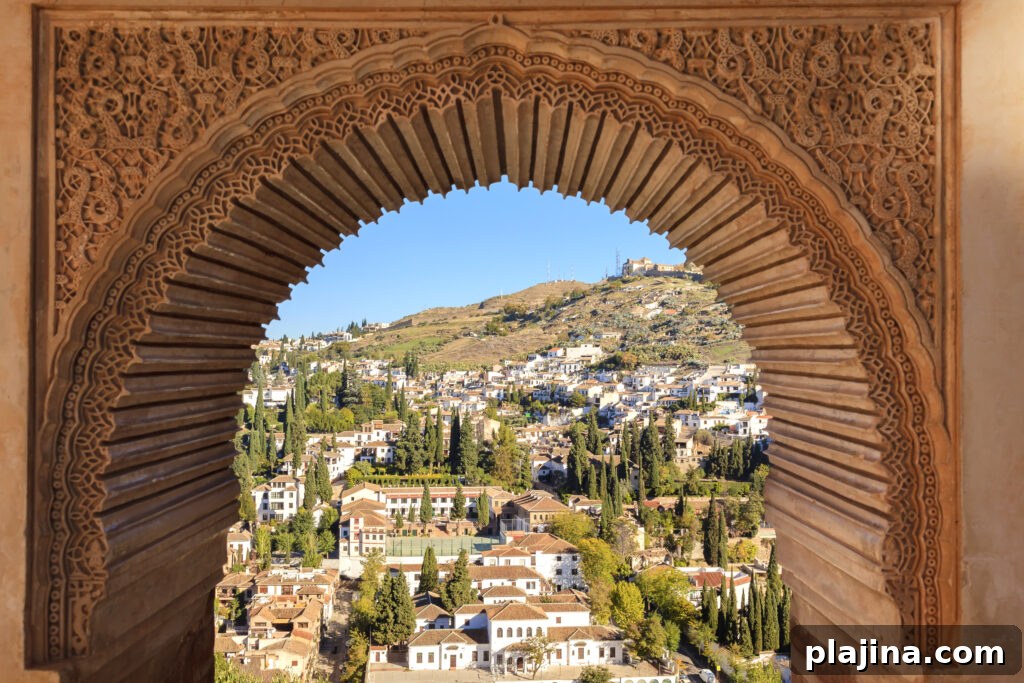
Moorish designs at the Alhambra in Grenada © William Perry | Dreamstime.com
The most famous example of Moorish architecture is the Alhambra in Granada, set at the foot of the Sierra Nevada. A 13th-century palace and fortress complex, the Alhambra is among Europe’s most visited sites. Its blend of Islamic and later Spanish Renaissance elements includes open courtyards with central pools, lush gardens, intricate mosaics and elegant arches. Because it draws large crowds, advanced booking for private or group tours is strongly recommended.
About 150 miles west of Granada lies Seville, Andalusia’s capital and a cultural crossroads. Begin in María Luisa Park and visit the iconic Plaza de España, then continue to Seville Cathedral, the world’s largest Gothic church and a UNESCO World Heritage site. The Giralda bell tower rises 343 feet above the city and symbolizes the region’s layered religious history. In Seville, sample Andalusian tapas such as tortilla española (potato omelet), pescaito frito (fried small fish) and cola de toro (oxtail stew).
Further south, Málaga sits on the Mediterranean’s Costa del Sol, celebrated for sunny beaches and a scenic coastline. Art enthusiasts will appreciate the Picasso Museum, housed in the painter’s birthplace. At night, experience flamenco—an emotionally charged art form of song, dance and guitar—at one of the city’s shows, with or without dinner.
Day trips from these urban centers expand your options. Córdoba’s Mezquita-Catedral, dating back to 785, offers a striking example of Islamic architecture fused with later Christian additions. Driving the region lets you discover Andalusia’s pueblos blancos—white-washed villages—such as Ronda, Arcos de la Frontera and Setenil de las Bodegas, each with its own charm and panoramic views.
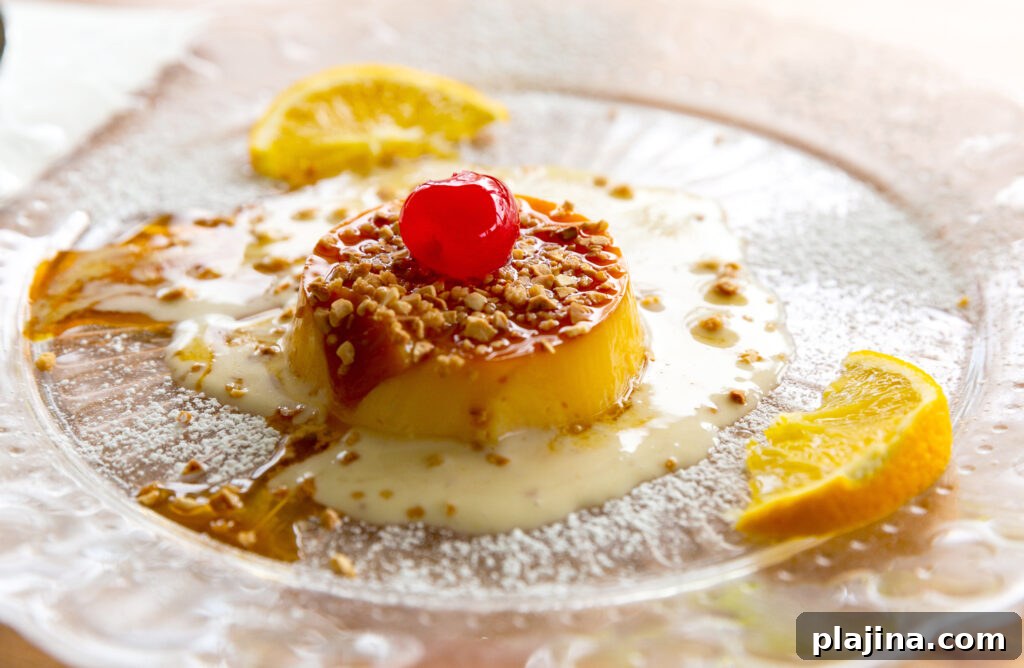
Tocino de cielo © Iakov Filimonov | Dreamstime.com
Food is central to Andalusian life. Off the clock, join a companion for dining experiences that showcase the region’s diverse flavors. Cooking classes are a hands-on way to learn local techniques: make gazpacho with fresh tomatoes, fry anchovies for Málaga’s boquerones fritos, or prepare Cádiz’s sweet tocino de cielo by steaming and baking egg yolks and sugar. Afterward, visit local markets to buy fresh produce and prepare an authentic meal to share.
If you prefer to eat rather than cook, a tapas walking tour lets you sample gambas (prawns), paella and espetos de sardinas (grilled sardine skewers). For a more specialized tasting, tour olive groves to sample oil straight from the fruit, or visit Jerez de la Frontera to taste sherry in its place of origin.
When the workday ends, Andalusia offers many ways to relax. Moorish-inspired hammams—traditional baths—are widespread and provide a soothing escape: options include soaking pools, massages and treatments such as mud masks and salt scrubs. Hammam Al Ándalus has locations in Granada, Málaga and Córdoba for a restorative experience.
Between Málaga and Granada, the thermal springs of Alhama de Granada reach around 116°F in open-air pools. These natural waters feed Hotel Balneario Alhama de Granada Spa, where guests can choose from a range of spa services to unwind after a busy day.
LODGING
HOTEL ALFONSO XIII
Experience refined luxury at Hotel Alfonso XIII with in-room services, marble bathrooms and an on-site tapas bar.
C. San Fernando 2, Casco Antiguo, Seville
$$$$
HOTEL ALHAMBRA PALACE
A short walk from the Alhambra, Hotel Alhambra Palace offers elegant event spaces and a terraced restaurant.
Pl. Arquitecto García de Paredes 1, Centro, Granada
$$$$
HOTEL MIRAMAR
With Moorish-inspired interiors and easy access to Costa del Sol beaches, Hotel Miramar features multiple dining rooms and an on-site hammam.
P. Reding 22, 24, Málaga-Este, Málaga
$$$$$
DINING
ABANTAL
Modern Andalusian cuisine blends traditional Spanish ingredients with North African spices. The restaurant offers tasting menus with optional wine pairings.
C. Alcade José de la Bandera 7, 9, Seville
$$$$$
BLOSSOM
A Michelin-starred restaurant in Málaga that fuses Andalusian and South American flavors. Reservations are recommended due to limited seating.
C. Strachan 11, Distrito Centro, Málaga
$$$$$
LA PAJUANA
This Granada tapas bar follows a classic Spanish custom: order a drink and receive a complimentary plate of tapas chosen by the house.
C. Virgen del Rosario 10, Granada
$$
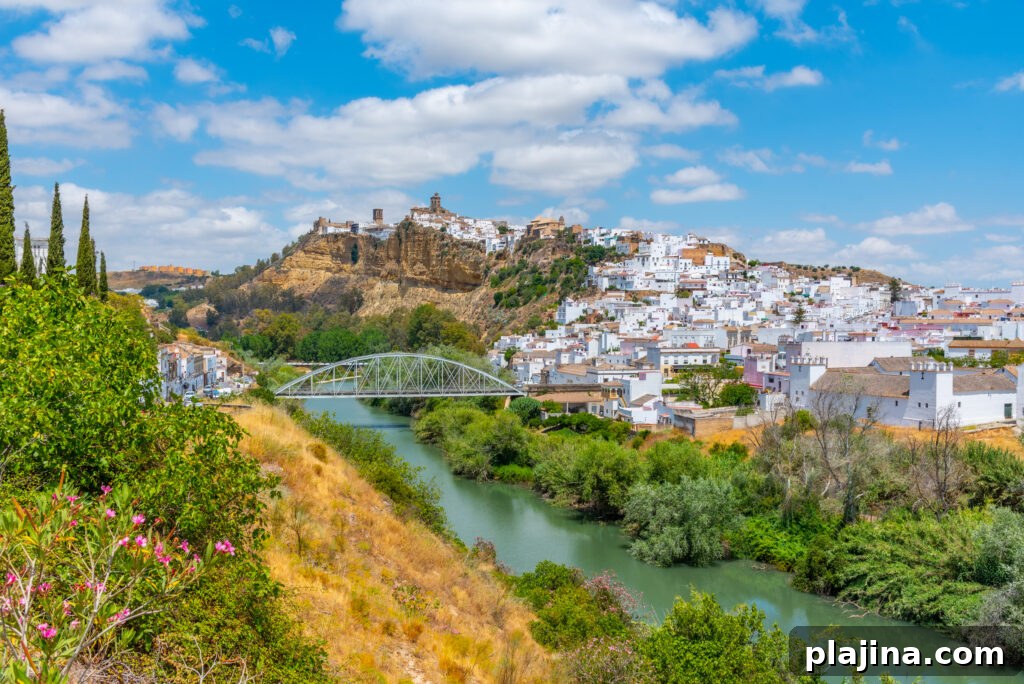
Arcos de la Frontera © Dudlajzov | Dreamstime.com
INFO TO GO
Andalusia is served by several airports, the largest being Málaga-Costa del Sol Airport. Other regional airports include Seville (SVQ), Granada (GRX) and Jerez (XRY). Travelers from outside Europe typically connect through Madrid or Barcelona. To reach city centers, options include taxis, buses, metro lines and car rentals. Travel times vary by airport and destination.
Rail travel is convenient between major cities such as Seville, Córdoba and Málaga. High-speed AVE trains link Madrid and Málaga in around three hours, making same-day business travel feasible. Book business-class seats in advance for greater comfort and productivity.