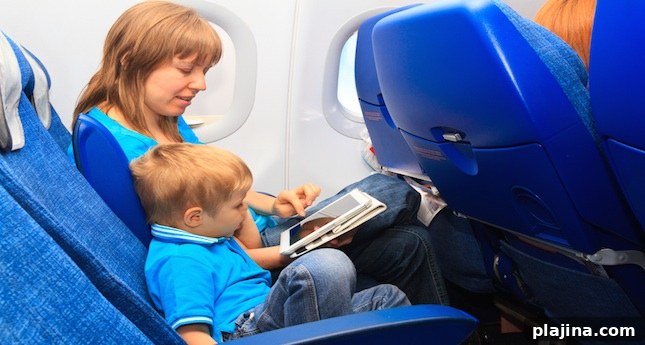
The United States Federal Aviation Administration has approved a set of measures intended to make air travel easier for families, speed up airport processing and strengthen security. A key provision requires airlines to seat children age 13 and under next to their parent or guardian at no extra charge, eliminating the need for parents to ask other passengers to switch seats when their children are not already nearby.
The agreement also calls for an expansion of TSA PreCheck to shorten wait times at security screening. In addition, it tightens background checks and vetting for airport employees who have access to secure areas, a response aimed at reducing insider threats and improving overall airport safety.
These policies were included in the FAA Reauthorization Bill that funds the agency through September 2017. The bill received broad support from travel industry groups and lawmakers. South Dakota Senator John Thune described it as “one of the most passenger-friendly FAA reauthorization bills we’ve seen, literally, in a generation,” reflecting widespread approval of the passenger-focused changes.
Airlines that charge for advance seat selection—such as Spirit, Southwest and Frontier—may need to adjust their boarding and seating policies to comply with the new requirement to keep young children seated with accompanying adults. Currently, passengers who do not pay for seat selection either accept whatever seat is assigned at check-in or receive a random assignment; the new rule could change how carriers allocate seats and manage paid-seating offerings.
Some consumer advocates hoped the reauthorization would include additional protections, such as caps on what regulators described as unreasonable ancillary fees or mandated minimum seat pitch for legroom, but those measures were not adopted. As a result, fees for baggage, seat assignments and other add-ons remain largely determined by individual airlines.
Overall, the bill prioritizes family convenience and security enhancements while leaving other consumer-driven proposals off the table. Passengers can expect clearer rules about children’s seating and potentially faster security lanes through expanded PreCheck, while debates about fees and onboard comfort may continue at the industry and regulatory levels.