
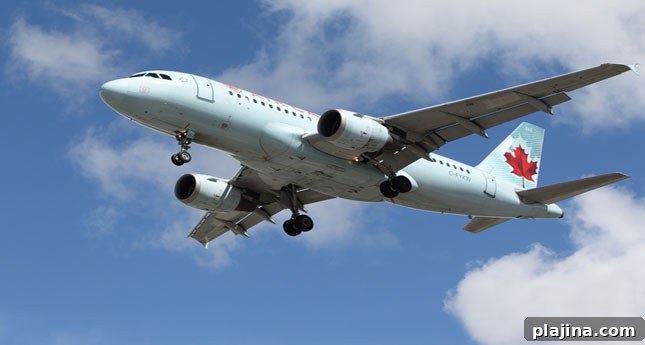
Air Canada announced a significant expansion of its international network from Toronto (YYZ), Montreal (YUL), Vancouver (YVR) and Calgary (YYC). Beginning in summer 2014 the carrier planned non-stop services to four new European destinations: Milan (MXP), Lisbon (LIS), Nice (NCE) and Manchester (MAN).
Starting June 18, Air Canada intended to operate the only non-stop route between Canada and Milan with a new Toronto–Milan service. In addition, its leisure subsidiary Air Canada rouge scheduled seasonal non-stop flights for summer 2014 on several leisure and business-oriented routes: Toronto–Lisbon, Toronto–Manchester, Montreal–Barcelona (BCN) and Montreal–Nice.
Ben Smith, Air Canada’s executive vice president and chief operating officer, described the expansion as a milestone in the airline’s international growth strategy. He highlighted the mix of mainline and rouge services — mainline for a major business destination like Milan and rouge for popular holiday cities such as Lisbon, Nice and Manchester — as offering customers more convenient and attractive travel options for the coming summer season.
Smith also referenced the positive market response since the launch of the Toronto–Istanbul (IST) non-stop service in June 2013 and noted plans to increase that route to daily flights. The carrier pointed to the enhanced connectivity those services provide, improving onward connections to destinations throughout the Middle East, Africa and South Asia.
This network expansion complemented Air Canada’s broader strategy to grow international frequencies and introduce non-stop links that better serve both business and leisure travelers. By adding Milan as a unique non-stop link from Canada and by deploying rouge where seasonal demand is strong, the airline aimed to balance year-round and peak-season capacity while improving options for travellers connecting through Canada’s major gateways.
These new routes were positioned to provide Canadians and international passengers with more direct travel choices, reduced connection times and a wider selection of destinations served from Canada’s principal airports. The combination of mainline and leisure-brand operations allowed Air Canada to tailor capacity and service style to match varying demand patterns across transatlantic markets.
You may also like:
Air Canada Earns Highest Skytrax Ranking
Air Canada, Executive First