
Passport Heavy’s founder and CEO Jubril Agoro has spent more than a decade mastering the digital nomad lifestyle. He built a travel and lifestyle YouTube channel with over 240,000 subscribers, has work featured on NoireTV, runs a successful marketing education company, and co-founded the financial education platform Live Richer Academy.
Through years of experimentation, Agoro discovered the balance of discipline, hard work, and adventure required to sustain remote living. The COVID-19 pandemic accelerated the shift toward remote work in 2020, proving many jobs can be done outside a traditional office. For anyone aiming to keep a digital nomad lifestyle long-term, Agoro offers practical tips you can adopt to create freedom from the daily office routine.
“First, take a breath. This is going to be a whole new world,” Agoro advises. He warns against constantly hopping from place to place, especially when you need to remain productive. To maintain the right mindset, discipline is essential: treat travel as part of your work routine rather than a continual vacation. Agoro recommends booking monthly Airbnb rentals or similar longer stays to establish a consistent work rhythm. “There is a big difference between a vacation traveler and someone who’s a digital nomad,” he notes.
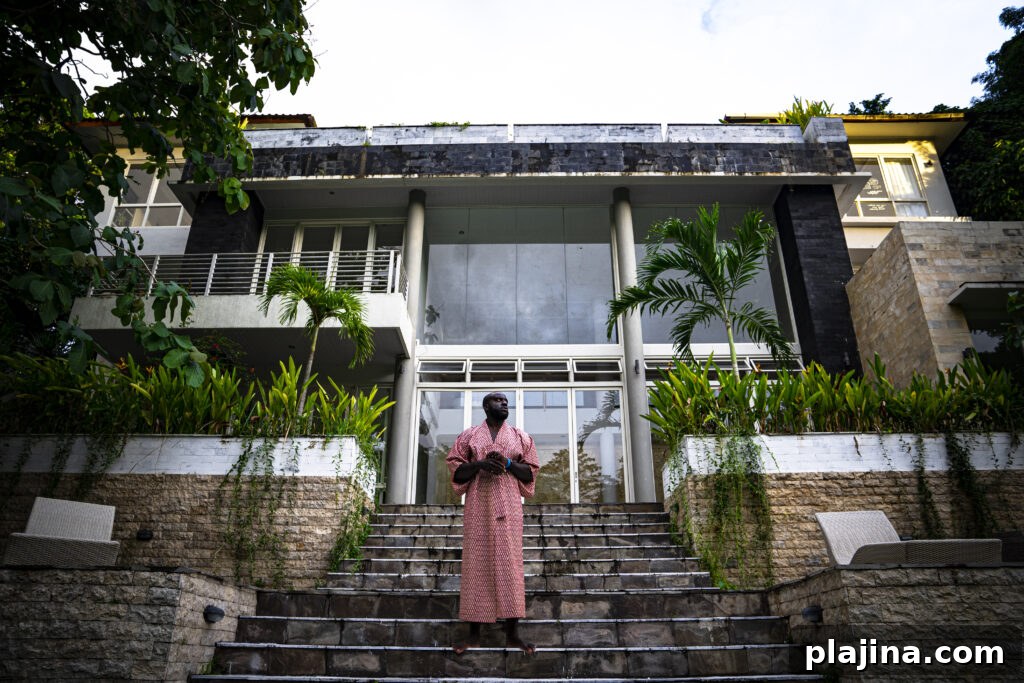
Photo by: Youri Felix
Logistics matter. Choose accommodation with a dedicated workspace, ensure you have reliable internet, and carry devices that support your workflow. If your rental’s WiFi is uncertain, identify coworking spaces or dependable local cafes in advance. For managing money and currencies on the go, Agoro recommends currency apps like XE to quickly convert rates wherever you are. For communication, install WhatsApp to stay connected internationally without incurring costly roaming charges as you move between countries.
Frequent travelers can save significantly on airfare by committing to an airline loyalty program. Agoro explains that apparent high fares are often offset by miles and rewards he’s accumulated: “A lot of people might see me flying first class or business class and they look up the prices and think, ‘oh my God that flight is $5,000,’” he says. “Ninety-five percent of the time, I did not pay that price. I’m using miles that I’ve earned.” Building loyalty and collecting miles will reduce travel costs over time.
Research your destination before committing to a move. Social media highlights can be misleading; while locations may look beautiful in photos, they might not be suitable for full-time remote work. Evaluate safety, local amenities, cost of living, and the quality of internet and healthcare. Consider whether the place offers more than just Instagram appeal and whether it fits your daily needs.
Finally, integrate into the local community. Active participation helps you build a support network, find local resources, and create a fuller, more sustainable experience. Ask how you will contribute and connect: what local groups, meetups, or coworking spaces are available? How welcoming is the community to newcomers? Answering these questions will help determine whether a location is the right fit for long-term remote living.
Agoro’s approach combines practical preparation with a long-term mindset: secure reliable housing, ensure strong connectivity, plan travel finances strategically, research destinations thoroughly, and engage with the local community. These steps make the difference between short-term travel and a sustainable digital nomad lifestyle.
For additional guidance and resources, visit Jubril Agoro’s website or watch PassportHeavy on YouTube for tips and real-world examples from his years on the road.