Like the frenetic kitchen of a sold-out Korean restaurant, Seoul is vibrant, fast-paced and alive around the clock. Though it may not carry the same romantic image as Paris, the regal history of London or the global name recognition of New York, Seoul offers its own compelling mix: millennia of history, world-class shopping for the latest fashions and electronics, a dynamic food scene steeped in Korean tastes and customs, five grand palaces, colorful ceremonies, nightlife, casinos and attractions that appeal to both business travelers and families.
The city of about 25 million residents also benefits from a favorable exchange rate and a large number of English-speaking young people, making it more accessible to many visitors than other destinations in the region. Hotels range to fit every budget, and once you’ve recovered from jet lag you’ll find Seoul easy to explore by subway and taxi. Purchase a T-money card for convenient subway travel; English signage and maps are common at major stations. Taxi drivers seldom speak English but many will use smartphones to help with directions—carry your hotel’s business card to show the driver. Taxis are plentiful, clean and affordable. The extensive bus network can be confusing without Korean language skills, so most visitors rely on subways and cabs.
The Han River divides Seoul into two main areas: north (Gangbuk) and south (Gangnam). The northern side contains many historic sites and traditional neighborhoods, while the southern side is modern, affluent and a showcase for contemporary fashion and technology. Each area contains numerous distinct neighborhoods—Insa-dong for traditional crafts and galleries, the palace district around Gyeongbokgung, and lively shopping and entertainment districts elsewhere. Shopping is available in nearly every neighborhood, from specialized craft shops to boutiques and electronics stores. Seoul has few fully enclosed malls compared with Western cities, but you’ll find several multi-level shopping complexes with a mix of domestic and international brands.
© SEBASTIAN CZAPNIK | DREAMSTIME.COM
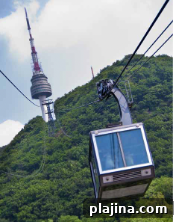
To get your bearings, visit N Seoul Tower, the city’s highest viewpoint. Take a cable car and then an elevator to the observation deck for panoramic views across the metropolis. A Han River cruise at sunset offers a different perspective of the skyline and requires little advance planning.
For a quintessentially social dining experience, try one of Seoul’s many barbecue restaurants where diners grill their own meat over a shared table-top flame. Meals are served with an array of banchan (side dishes) and are meant to be interactive and communal—an excellent way to enjoy Korean cuisine and meet locals.
A daytrip to the Korean Demilitarized Zone (DMZ) can be a memorable, if sobering, experience. The DMZ is one of the most heavily fortified borders in the world, and tours—available as half- or full-day excursions—offer a glimpse into the realities of a divided peninsula. These trips include transportation and guided visits to observation points and military sites; they may not be suitable for all travelers but are widely visited by those interested in modern Korean history.
Art and history enthusiasts can easily spend a day at the National Museum of Korea, one of the largest museums in the world. Its galleries span archaeology, fine arts and Asian art, showcasing thousands of artifacts and hundreds of major works that trace Korea’s cultural heritage.
No visit to Seoul is complete without exploring the royal palace complex of Gyeongbokgung. Centrally located and accessible by subway, Gyeongbokgung features a throne hall, gardens, a performing arts area and the National Folk Museum, all set amid restored traditional architecture and seasonal landscapes.
Because you’ll do a lot of walking and likely cross the Han River repeatedly, take a break at one of the Han River’s bridge cafés. Enjoy a cool iced beverage or a cup of green tea while you plan your next stop and watch the city bustle around you.
For a hands-on cultural experience, visit Korea House near Myeongdong. It offers workshops in traditional crafts and foods—kimchi making, hanji paper craft and traditional dance—each session running about two hours. In the evenings, professional performers present traditional music and dance with English subtitles, making the performances accessible to international audiences.
When night falls, Itaewon offers a diverse nightlife scene where tourists, expats, business travelers and students mix. On weekends, popular clubs spill out into the streets, and the neighborhood is known for its international dining and lively bars. Itaewon and parts of Jongno host many venues welcoming LGBTQ+ visitors. Hongdae, the university district, comes alive with youthful energy, live music and private karaoke rooms.
In Seoul, there’s always more to discover just around the corner—new neighborhoods, food stalls, performances and cultural events that make the city endlessly engaging.
LODGING
InterContinental Grand Seoul Parnas
Known for its central location and spacious rooms, this hotel caters to business travelers, groups and families. Facilities include a spa, pool, lounges and several restaurants including a deli.
521 Teheran-ro, Gangnam
$$$$
Park Hyatt Seoul
A contemporary luxury hotel with striking city views and a convenient location near COEX Mall. Amenities include a spa, pool and an Italian-influenced restaurant.
606 Teheran-ro, Gangnam
$$$
The Shilla Seoul
For a refined Korean hospitality experience, The Shilla blends luxury service with Korean art and décor. The property features expansive grounds, high-end dining and a private shopping arcade.
249 Dongho-ro, Jung-gu
$$$
DINING
Balwoo Gongyang
Operated by monks from a major Buddhist temple, this restaurant offers creative temple cuisine with a standout vegetarian menu. Advance reservations are recommended—it’s family-friendly and a unique culinary experience.
Temple Stay Information Integration Center, 56 Ujeongguk-ro, Jongno-gu
$$
Doore
Housed in a restored hanok, Doore serves high-quality traditional cuisine in a historic wood building that highlights Korean art and architecture. Choose from fixed-price or à la carte menus.
5-24 Insadong 4-gil, Jongno-gu
$$
Samcheonggak
Set near the presidential Blue House, Samcheonggak offers refined dining with scenic rooms and a continental fixed menu—an elegant option at a value compared with some Western capitals.
3 Daesagwan-ro, Seongbuk-gu
$$$$
INFO TO GO
Incheon International Airport is highly efficient and well connected, offering direct flights to many global destinations. Gimpo Airport handles additional regional routes. Major international carriers operate non-stop flights to Seoul, and ground procedures—immigration and customs—are typically swift. Travel to the city center takes less than an hour by rail, express bus or taxi. Tipping is not customary in Korea. Currency exchange and ATMs are widely available; major credit cards are accepted in most places. For the most pleasant weather, plan visits in spring or fall.