
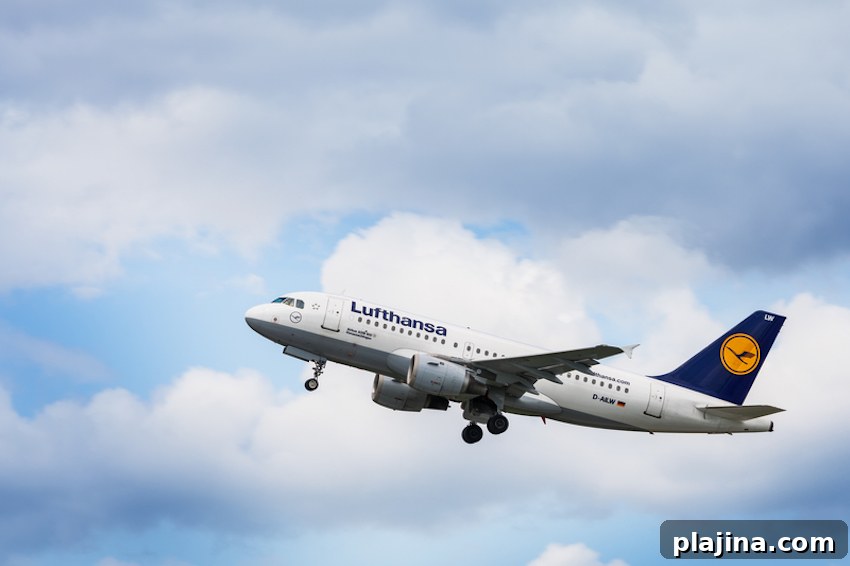
Just weeks after United Airlines and several years following Delta Air Lines’ decision to test dynamic pricing for loyalty rewards, German carrier Lufthansa has confirmed it will adopt a similar approach for its Miles & More program.
Traditional award pricing relied on fixed award charts that tied redemption levels to predefined point or mile bands. Under those systems, a specific flight category required a fixed number of miles regardless of actual ticket demand or real-time fare levels. Dynamic pricing changes that model: it ties the number of miles required to claim a seat to the current retail price of the ticket. In practice, this means the miles needed for the same seat can rise or fall in line with market conditions. A seat during a peak travel period—such as summer holidays or major events—may require significantly more miles than the identical seat during a quieter season like late winter.
Switching to dynamic pricing removes published award charts and the predictable redemption tiers many travelers have relied upon. Airlines that use dynamic models generally do not display fixed award levels on their websites; instead, members see mileage prices that reflect live inventory and fare fluctuations. For loyalty members this shift brings a mixed set of effects. On the positive side, dynamic pricing can offer substantial opportunities to book seats for fewer miles when fares are low, such as during sales, off-peak periods or when airlines have unsold inventory. That can make premium cabins and long-haul redemptions more accessible to members who monitor fares and act quickly.
On the other hand, the lack of published award charts reduces predictability. Travelers who planned redemptions based on historical mile thresholds may find that the new model sometimes requires more miles than before, especially for high-demand routes and peak travel dates. This variability increases the value of watching price trends, being flexible with travel dates and booking early when favorable award pricing appears. It also raises the importance of comparing cash fares to mileage redemptions: with dynamic pricing, the best value often comes when a low cash fare converts to a relatively low mileage requirement.
For frequent flyers and program members, the move to dynamic pricing affects how they maximize value from Miles & More. Strategies that previously worked—such as saving miles for a specific award tier—may no longer guarantee success. Instead, members may benefit from new habits: monitoring fare sales, subscribing to fare alerts, and checking mileage rates across a range of dates to find the ideal balance between cash and miles. In some cases, combining part-cash and part-mile options, or using miles for upgrades rather than full award tickets, can produce better overall value depending on the route and availability.
Loyalty program designers favor dynamic pricing for several reasons. It aligns redemptions with market demand, helps airlines better manage inventory, and can increase the perceived fairness of award costs from a revenue management perspective. It also allows airlines to promote limited-time award deals that directly mirror promotional cash fares, giving members occasional chances to grab exceptional value. That promotional flexibility can be attractive to both airlines and passengers when executed transparently.
Despite these advantages, dynamic pricing has sparked debate among flyers and industry observers. Critics argue the model undermines the clarity and simplicity of fixed award charts and can make loyalty programs harder to navigate. Proponents counter that dynamic award pricing reflects how modern retail fares are already sold and can reward savvy customers who remain flexible and attentive. Ultimately, the effect of Lufthansa’s change to Miles & More will depend on how often low-mileage options appear, how transparent the program remains about redemption options, and how members adapt their booking habits.
For now, members of Miles & More should expect to see mileage requirements that fluctuate with live ticket prices. Travelers planning to use miles should check a range of dates, compare cash versus mileage value, and act quickly when favorable award levels are available. As airlines continue to refine revenue management and loyalty offerings, understanding the dynamic between cash fares and mileage redemptions will become an increasingly important skill for maximizing the value of frequent flyer balances.